
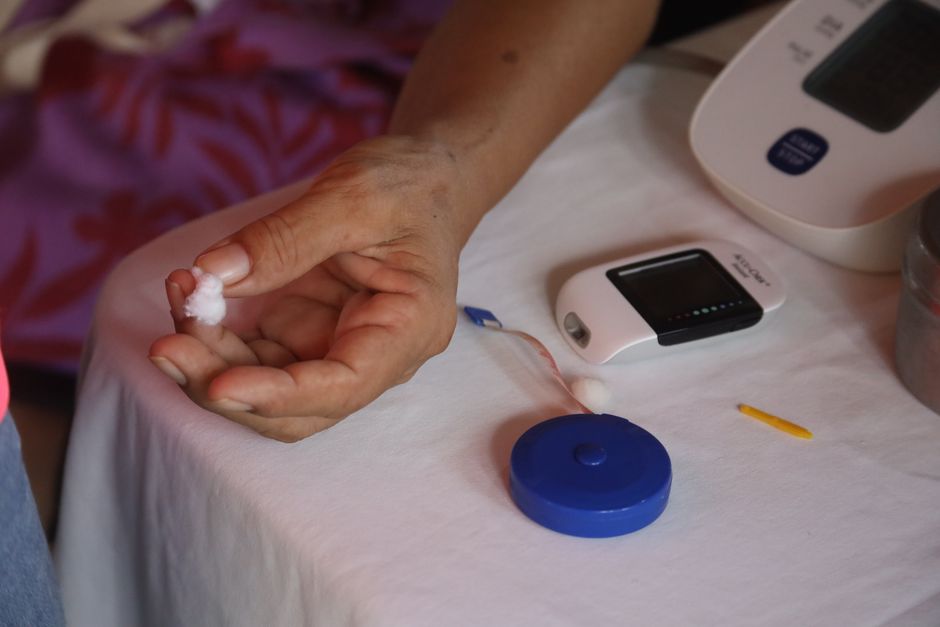
A blood glucose test measures the amount of sugar in your blood at the moment the sample is drawn. Glucose is your body’s main fuel, and the test shows whether your levels fall inside the normal range or point toward a problem like diabetes. It is one of the most common blood tests ordered in the United States.
The result is usually reported in milligrams per deciliter, written as mg/dL. A normal fasting glucose is generally between 70 and 99 mg/dL. Numbers above that range get sorted into two categories: prediabetes and diabetes. Where your result lands depends heavily on whether you were fasting when the blood was drawn.
What Is Glucose In Blood Test?
Glucose in a blood test is a direct measurement of the sugar circulating in your bloodstream. Your body breaks down carbohydrates from food into glucose, which then travels through your blood to reach your cells. Cells use it for energy, and the hormone insulin helps move glucose from your blood into those cells.
The test itself is simple. A small amount of blood is drawn, usually from a vein in your arm, and sent to a lab. Some tests use a finger prick and a small meter instead. Either way, the number reflects how much glucose was in that sample at that moment.
Blood glucose rises and falls throughout the day. It goes up after you eat and settles back down as insulin does its job. That is why the timing of the test matters so much. A result means little without knowing whether you had eaten beforehand.
What Do the Numbers Mean?
The reference ranges for blood glucose are well established and used across clinical practice. The table below shows the standard fasting values most labs and clinicians rely on.
| Result (fasting) | Category |
|---|---|
| 70–99 mg/dL | Normal |
| 100–125 mg/dL | Prediabetes |
| 126 mg/dL or higher | Diabetes (on two separate tests) |
These cutoffs come from widely used diagnostic criteria. A single high reading does not automatically mean diabetes. Clinicians usually confirm with a second test, often on a different day.
There is also a lower end to watch. A fasting glucose below 70 mg/dL is considered low blood sugar, or hypoglycemia. For people with diabetes who take insulin or certain medications, this is a real concern. For people without diabetes, it is less common but still worth discussing with a clinician.
One clarification that surprises many people: a normal glucose reading does not rule out every metabolic problem. It tells you about glucose at one point in time, not the full picture of how your body handles sugar over weeks and months.
Fasting vs. Non-Fasting: Why Timing Changes Everything
A fasting glucose test requires you to avoid food and drink (except water) for at least 8 hours before the blood draw. This matters because eating raises blood glucose, sometimes substantially, for a period after a meal.
If you eat breakfast and then get a glucose test, a number that would be abnormal on an empty stomach may be entirely normal after food. The reverse is also true. A result read against the wrong reference range can cause unnecessary worry or give false reassurance.
There are three common versions of the test:
- Fasting glucose: drawn after at least 8 hours without food. This is the version used for screening and diagnosis.
- Random glucose: drawn at any time, without regard to meals. A random result of 200 mg/dL or higher, alongside symptoms, can suggest diabetes.
- Two-hour glucose tolerance test: a fasting sample is taken, you drink a set amount of glucose solution, and your blood is checked again two hours later.
The two-hour tolerance test measures how well your body clears glucose from the blood. It is used less often than the fasting test but can catch problems the fasting test misses.





What Can Raise or Lower Your Blood Glucose?
Many things move blood glucose, and not all of them are about diet. Understanding the range of influences helps you interpret a result honestly.
Things that can raise glucose:
- Eating, especially foods high in refined carbohydrates and sugar
- Physical stress, illness, or infection
- Some medications, including certain steroids
- Not enough insulin or insulin resistance
- Certain hormonal conditions
Things that can lower glucose:
- Fasting or skipping meals
- Strenuous exercise
- Alcohol
- Some diabetes medications and insulin
Stress deserves a mention because it is easy to overlook. Illness, surgery, and emotional stress can all push glucose up temporarily. A single elevated reading taken during a stressful period may not reflect your usual level. This is one reason clinicians rarely diagnose on one test alone.
What Is HbA1c, and How Is It Different?
HbA1c is a separate test that reflects your average blood glucose over roughly the previous two to three months. It measures the percentage of hemoglobin, the protein in red blood cells, that has glucose attached to it. Because red blood cells live about three months, the test captures a longer window than a single glucose reading.
The two tests answer different questions. A fasting glucose gives you a snapshot of one moment. HbA1c gives you the average over time. Clinicians often use both together, since each can catch things the other misses.
A person can have a normal fasting glucose and still have an elevated HbA1c, or the reverse. That is not a contradiction. It reflects the difference between a point-in-time measurement and a longer-term average. When the two disagree, a clinician may repeat testing or use a glucose tolerance test to clarify.
When Is a Blood Glucose Test Ordered?
Glucose testing is routine in several situations. It is commonly part of an annual physical or general health screening. It is also used to monitor people already diagnosed with diabetes.
Testing is often recommended for adults with risk factors for type 2 diabetes, including being overweight, having a family history of diabetes, or having high blood pressure. Many clinicians screen adults starting in midlife and repeat every few years, though the exact schedule is a matter of clinical judgment rather than a single fixed rule.
Glucose is also checked during pregnancy. Gestational diabetes, a form of high blood glucose that develops during pregnancy, is screened for routinely because it can affect both the pregnant person and the baby. The timing and method of that screening follow established obstetric guidance, and your clinician will explain the schedule that applies to you.
In an emergency or when someone is unwell, a glucose check is often one of the first tests done. Both very high and very low glucose can cause serious symptoms and need prompt attention.
What Should You Do With an Abnormal Result?
An abnormal glucose reading is information, not a verdict. The right next step depends on the number, whether you were fasting, and your overall health. A clinician is the person who can put the result in context.
If your result falls in the prediabetes range, that is a meaningful signal. Research consistently shows that type 2 diabetes can often be delayed or prevented in people with prediabetes through changes in diet, physical activity, and weight. The evidence for lifestyle change in this group is strong. It is not a guarantee, but it is one of the better-supported findings in preventive medicine.
If your result suggests diabetes, the standard approach is confirmation with a repeat test. From there, treatment decisions are individualized. What works for one person may not suit another, and no single plan fits everyone.
One thing worth being clear about: no single food, supplement, or product has been shown to reliably normalize blood glucose on its own. Marketing around “blood sugar support” products often outruns the evidence. Some supplements have been studied, but results are mixed and no large human trials confirm most of the claims made for them.
How to Prepare for a Glucose Test
Preparation mostly comes down to following fasting instructions if your test requires them. If you are told to fast, avoid food and sugary drinks for the required window. Water is generally fine. Ask your clinician whether any of your medications should be adjusted, and never stop a medication on your own without guidance.
Tell the person drawing your blood if you are unwell, if you have eaten, or if you took anything unusual beforehand. These details can change how a result is read.
The test itself takes only a few minutes. Most people feel fine afterward. If you fasted, eat a normal meal once the draw is done unless told otherwise.
Frequently Asked Questions
What is a normal blood glucose level?
A normal fasting blood glucose is generally between 70 and 99 mg/dL. Values are read against the fasting range only if you had not eaten for at least 8 hours before the test.
Can I drink water before a fasting glucose test?
Yes, plain water is generally allowed and does not affect the result. Avoid coffee, juice, and anything with calories until the blood is drawn.
Does one high glucose reading mean I have diabetes?
No, a single high reading is usually confirmed with a repeat test before a diagnosis is made. Stress, illness, and recent meals can all raise glucose temporarily.
What is the difference between blood glucose and HbA1c?
Blood glucose measures sugar at one moment, while HbA1c reflects your average over roughly the previous two to three months. Clinicians often use both together.
