
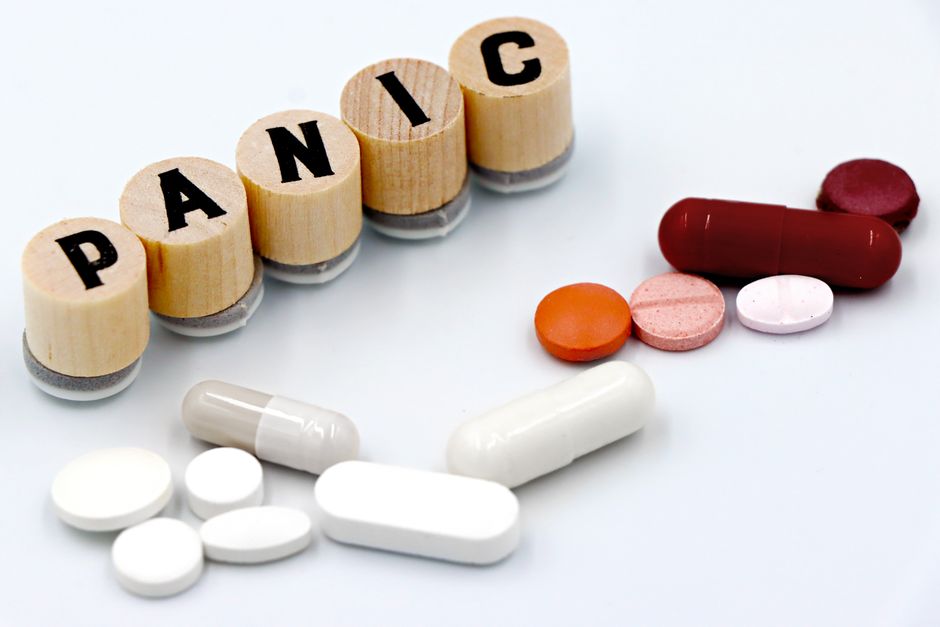
An anxiety attack feels like a sudden wave of intense fear or dread that crashes over you without warning. Your heart pounds, your chest tightens, and you may feel like you cannot breathe or are about to lose control. For many people, it feels like the body is sounding a false alarm — a full-blown emergency response when there is no actual danger.
What Does an Anxiety Attack Feel Like in the Body?
The physical sensations of an anxiety attack can be startling and often mimic serious medical conditions. Research shows that the body’s fight-or-flight response activates suddenly, flooding your system with adrenaline and cortisol.
Common physical feelings include a racing or pounding heart, shortness of breath, and a sensation of choking or being smothered. Many people report feeling dizzy, lightheaded, or as though they might faint. Some describe a tingling sensation in their hands, feet, or face.
Chest pain or discomfort is also common, which understandably leads many to worry they are having a heart attack. Studies have found that up to 25 percent of people who go to emergency rooms with chest pain are actually experiencing a panic attack, not a cardiac event. Sweating, trembling, and hot or cold flashes are also typical.
One non-obvious detail: the feeling of unreality or being detached from yourself is surprisingly common. About two-thirds of people having a panic attack report feeling like they are watching themselves from outside their body or that the world around them seems unreal.
What Does an Anxiety Attack Feel Like Emotionally?
The emotional experience is often described as sheer terror or a sense of impending doom. You may feel like something terrible is about to happen, even though you cannot name what it is. Some people describe it as a feeling of going crazy or losing their mind.
A strong urge to escape or get away is almost always present. This is why people having an anxiety attack often leave a room, a store, or a social situation abruptly. The emotional pain can be so intense that it feels unbearable in the moment.
Fear of dying is a common but rarely talked about symptom. Current research suggests that about 40 percent of people report fearing for their life during a panic attack, even when they rationally know they are safe. This fear is not a choice — it is the body’s ancient survival system misfiring.
After the attack fades, many people feel emotionally drained, embarrassed, or ashamed. They may worry about when the next attack will happen, which can create a cycle of anxiety about having anxiety.
How Long Does an Anxiety Attack Last?
Anxiety attacks typically peak within 10 minutes and last between 20 and 30 minutes total. Some can be shorter, lasting only a few minutes. Others may feel longer because the intense symptoms come in waves that seem to go on forever.
Research shows that the average panic attack lasts about 23 minutes. However, the feeling of being on edge or uneasy can persist for hours afterward. This lingering sensation is sometimes called the “aftershock” phase.
It is important to know that even though an attack feels endless in the moment, it will pass. The body cannot sustain the fight-or-flight response indefinitely. Adrenaline is quickly broken down and cleared from the system, which is why attacks naturally subside.



What Is the Difference Between an Anxiety Attack and a Panic Attack?
These terms are often used interchangeably, but they describe different experiences. A panic attack has a specific clinical definition in the DSM-5, the manual used by mental health professionals. Panic attacks come on suddenly, peak quickly, and include at least four of the physical and emotional symptoms listed earlier.
Anxiety attacks, on the other hand, are not an official diagnosis. The term is used more loosely to describe periods of intense anxiety that build gradually in response to a stressor. While panic attacks feel like they come out of nowhere, anxiety attacks often have a clear trigger, like a work deadline, a social event, or a health worry.
Here is a simple comparison:
| Feature | Panic Attack | Anxiety Attack |
|---|---|---|
| Onset | Sudden, often without trigger | Gradual, linked to a stressor |
| Peak time | Within 10 minutes | Builds over hours or days |
| Duration | 20-30 minutes typically | Can last hours or longer |
| Physical intensity | Very high | Moderate to high |
| Fear of dying | Common | Less common |
Both are real and distressing. Neither is a sign of weakness or a character flaw. They are medical conditions that respond well to treatment.
What Causes an Anxiety Attack?
Anxiety attacks do not have a single cause. Research shows they result from a combination of genetic, biological, and environmental factors. Some people are simply born with a more sensitive nervous system that reacts strongly to stress.
Brain chemistry plays a role. Areas of the brain that control fear and emotion, like the amygdala, can become overactive. Neurotransmitters such as serotonin and norepinephrine may be out of balance. This is not something you can control or fix by sheer willpower.
Life stressors are often the trigger. Major life changes, trauma, chronic stress, or even a single stressful event can set the stage for an anxiety attack. Sleep deprivation, caffeine, alcohol, and certain medications can also lower your threshold.
One thing that surprises many people: trying to prevent anxiety attacks can actually make them worse. When you become hyperaware of your body sensations and constantly scan for signs of an attack, you keep your nervous system on high alert. This is called anxiety sensitivity, and it is a well-documented predictor of more frequent attacks.
What Should You Do During an Anxiety Attack?
When an anxiety attack hits, the first step is to remind yourself that it is a panic response, not a medical emergency. This is hard to do in the moment, but research shows that labeling the experience as a panic attack can reduce its intensity.
Here are some strategies that research supports:
- Slow down your breathing. Inhale for four counts, hold for four, exhale for six. This activates the parasympathetic nervous system and helps calm your body.
- Ground yourself using your senses. Name five things you can see, four you can touch, three you can hear, two you can smell, and one you can taste. This shifts focus away from internal fear.
- Stay where you are if it is safe. Running away reinforces the belief that the situation is dangerous. Staying put teaches your brain that you can survive the feeling.
- Use cold water. Splashing cold water on your face or holding an ice cube triggers the mammalian dive reflex, which slows your heart rate.
Avoid deep breathing that is too rapid. Some people hyperventilate when they try to take big breaths, which can make dizziness and tingling worse. Gentle, slow, steady breaths are better.
If anxiety attacks happen regularly — more than once a week — talk to a healthcare provider. Therapy, particularly cognitive behavioral therapy, is highly effective. Medications like SSRIs can also help reduce the frequency and severity of attacks. Current research suggests that combining therapy with medication works better than either alone for many people.
Frequently Asked Questions About Anxiety Attacks
Can an anxiety attack happen while you are sleeping?
Yes, night-time panic attacks are common. They wake you from sleep with the same intense symptoms as daytime attacks, often without any obvious trigger.
Can an anxiety attack cause a heart attack?
In someone with a healthy heart, an anxiety attack will not cause a heart attack. However, the symptoms can feel identical, so it is wise to seek medical help if you are unsure.
How do I know if I had an anxiety attack or panic attack?
If the symptoms came on suddenly and peaked within 10 minutes, it was likely a panic attack. If they built gradually over hours in response to a stressor, it was more like an anxiety attack.
Can you talk someone through an anxiety attack?
Yes, but keep it simple. Use a calm voice, remind them it will pass, and guide them to slow their breathing. Do not ask many questions or tell them to calm down — that often makes things worse.
As of 2026, mental health professionals have a much better understanding of anxiety attacks than they did even a decade ago. The treatments available are effective, and the outlook for people who seek help is very good. You do not have to live in fear of the next attack. Help is real, and it works.
