
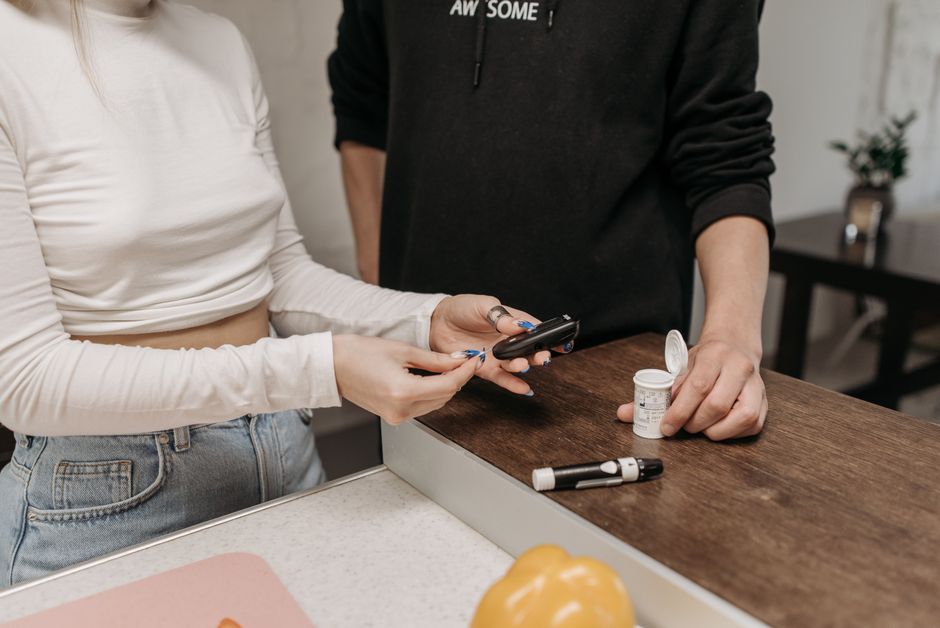
Low blood sugar is treatable within minutes if you act correctly. The fastest fix for a conscious adult is 15 grams of fast-acting carbohydrate, such as 4 ounces of juice or 4 glucose tablets, followed by a recheck in 15 minutes. Prevention comes down to matching food, medication, and activity, and checking your blood sugar when you feel symptoms coming on.
Hypoglycemia is most often a side effect of diabetes medication, not a disease in itself. For people without diabetes, true hypoglycemia is uncommon and needs a doctor’s evaluation rather than guesswork. What follows separates what is well established from what is uncertain, so you can act on solid ground.
What Counts as Low Blood Sugar?
Clinically, hypoglycemia in a person with diabetes is generally defined as a blood glucose below 70 mg/dL. That number is a widely used threshold, and it matters because the body’s normal fasting range sits between 70 and 99 mg/dL.
Not everyone feels low at the same level. Some people notice symptoms at 75 mg/dL. Others, especially those who have had diabetes for years, may not feel symptoms until they drop below 55 mg/dL. This is called impaired awareness of hypoglycemia, and it is a real safety concern because it removes the early warning that prompts treatment.
Doctors sometimes describe three levels. Level 1 is a glucose reading below 70 mg/dL that you can treat yourself. Level 2 is a more serious drop, often below 54 mg/dL, that needs immediate action. Level 3 is severe hypoglycemia, where you cannot treat yourself and need another person’s help. These categories come from clinical consensus and are used to guide treatment decisions.
What Causes Blood Sugar to Drop?
For most people, the cause is a mismatch between insulin or other glucose-lowering medication and the body’s needs. Too much medication, too little food, or unexpected physical activity can each tip the balance.
Common triggers include:
- Taking insulin or a sulfonylurea and then skipping or delaying a meal
- Exercising more than usual without adjusting food or medication
- Drinking alcohol, especially on an empty stomach, which can block the liver from releasing stored glucose
- Taking too large a dose of insulin or the wrong type by mistake
- Illness or changes in kidney function that alter how long medication stays in the body
One point often missed: alcohol-related lows can be delayed. The liver prioritizes processing alcohol over releasing glucose, so a drop can happen hours after drinking, sometimes overnight. This is why heavy drinking is a recognized risk for severe lows in people on insulin.
In people without diabetes, hypoglycemia is uncommon. When it does occur, possible causes include certain medications, prolonged fasting, heavy alcohol use, and, rarely, hormone deficiencies or tumors that affect insulin regulation. These require medical evaluation. Self-diagnosing hypoglycemia without diabetes is a common mistake, because many symptoms that feel like low blood sugar have other causes.
What Are the Warning Signs?
Symptoms fall into two groups, and knowing both helps you recognize a low early. The first group is caused by the body releasing adrenaline to defend itself. The second comes from the brain not getting enough glucose.
Adrenaline-driven symptoms include shakiness, sweating, a pounding heart, anxiety, hunger, and tingling around the mouth. Brain-related symptoms include difficulty concentrating, confusion, slurred speech, blurred vision, dizziness, and unusual behavior. As glucose falls further, confusion can progress to seizure or loss of consciousness.
The brain symptoms are the more dangerous ones because they impair your ability to recognize and treat the low. This is why a family member or coworker knowing the signs matters. A person who is confused from low blood sugar may not realize what is happening.





How To Combat Hypoglycemia Treatment And Prevention
The treatment depends entirely on whether the person can safely swallow. This distinction is the single most important decision in an emergency, and getting it wrong can cause choking or aspiration.
If the person is conscious and can swallow
Use the 15-15 rule. Take 15 grams of fast-acting carbohydrate, wait 15 minutes, then recheck blood sugar. If it is still below 70 mg/dL, repeat. Once glucose is back above 70 mg/dL, eat a small snack or meal if your next meal is more than an hour away.
Examples of 15 grams of fast carbohydrate:
- 4 ounces (half a cup) of juice or regular soda
- 4 glucose tablets, following the package label for grams per tablet
- 1 tablespoon of sugar or honey
- 1 tablespoon of table sugar dissolved in water
Do not use foods high in fat to treat a low. Chocolate and many candy bars contain fat that slows absorption of the sugar, so the rise is slower than with juice or glucose tablets. This is why glucose tablets and juice are preferred for fast correction.
If the person is unconscious, seizing, or cannot swallow
Do not give food or drink by mouth. Call emergency services. If the person has a prescribed glucagon kit or nasal glucagon, use it as directed and follow up with emergency care, because glucose can drop again after glucagon wears off. Family members and close contacts of people at risk are often trained to give glucagon, and having it available is a recognized part of severe hypoglycemia planning.
How Do You Prevent Lows Before They Happen?
Prevention is mostly about consistency and planning. The goal is to keep food, medication, and activity in a workable balance, not to eliminate every fluctuation.
Practical steps that align with standard diabetes care:
- Check blood sugar before driving and before, during, or after unusual exercise
- Carry fast-acting carbohydrate at all times, including in the car and at work
- Avoid skipping meals after taking insulin or a sulfonylurea
- Learn how exercise affects your glucose and adjust food or medication with your care team’s guidance
- Be cautious with alcohol, and eat when you drink
- Wear or carry medical identification so others know what to do
Continuous glucose monitors have changed prevention for many people with diabetes. These devices can alert you to a falling glucose trend before symptoms start, which is especially useful for people with impaired awareness. Whether a monitor is appropriate depends on your situation and should be discussed with your clinician.
Medication review matters too. If you have frequent lows, the right answer may be adjusting your regimen rather than simply eating more. Frequent lows are a signal to talk to your prescriber, not something to accept as normal.
What Should You Do After a Low?
After glucose returns to normal, the episode is not quite over. The body has spent energy defending itself, and another low can follow within hours if the cause is not addressed.
Eat a snack or meal if your next meal is more than an hour away. Note what triggered the low, such as a missed meal or extra activity, and share repeated episodes with your care team. If lows are happening often, the pattern itself is useful information for adjusting treatment.
For severe episodes that required glucagon or emergency help, follow-up with a clinician is important. Severe lows can recur, and the medication plan usually needs review afterward.
When Is Low Blood Sugar Not Caused by Diabetes?
For people without diabetes, hypoglycemia is uncommon and should not be assumed. Many symptoms that feel like low blood sugar, such as shakiness, irritability, or hunger, have other explanations, including anxiety, skipped meals, or caffeine.
True hypoglycemia without diabetes is documented mainly in specific situations: certain medications, heavy alcohol use, prolonged fasting, and rare hormonal or metabolic conditions. Diagnosing it usually requires documenting low glucose at the time of symptoms, often with a supervised test, rather than relying on how you feel. If you suspect it, see a doctor rather than treating yourself with sugar repeatedly.
Frequently Asked Questions
How much sugar do you need to raise low blood sugar?
The standard is 15 grams of fast-acting carbohydrate, such as 4 ounces of juice or 4 glucose tablets. Recheck after 15 minutes and repeat if glucose is still below 70 mg/dL.
Can you give food to someone who is unconscious from low blood sugar?
No. Never give food or drink by mouth to someone who is unconscious, seizing, or unable to swallow. Call emergency services and use prescribed glucagon if available.
What is the fastest way to raise blood sugar?
Fast-acting carbohydrates like juice, regular soda, or glucose tablets raise glucose quickly because they are absorbed rapidly. Foods high in fat, like chocolate, work more slowly.
Can low blood sugar happen without diabetes?
It is uncommon in people without diabetes and usually has a specific cause, such as certain medications, heavy alcohol use, or prolonged fasting. It should be evaluated by a doctor rather than self-treated.
