
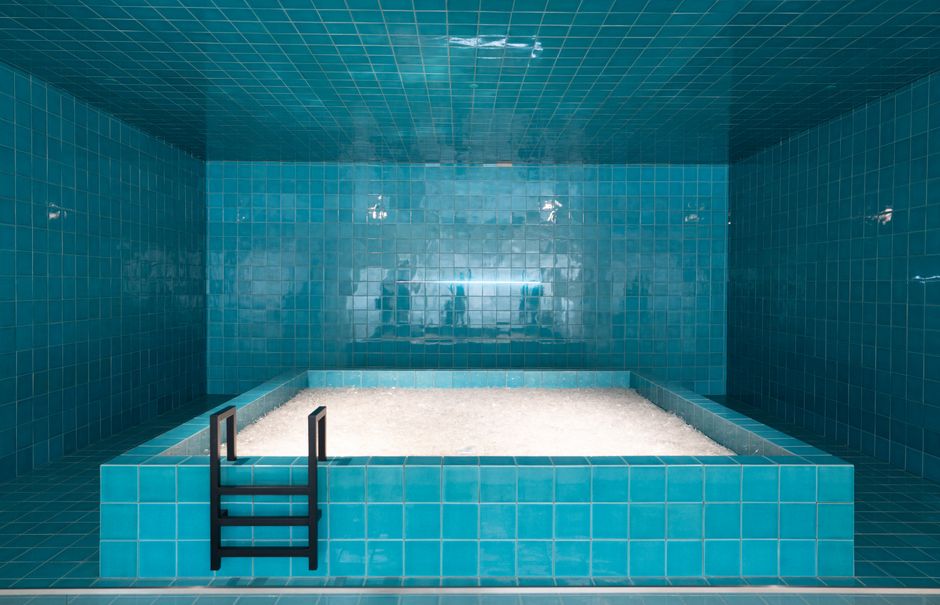
Cold plunging in a bathtub is simple in theory: fill the tub with cold water, get in, and stay for a short time. The practical details matter more than most people expect. Water temperature, duration, and safety precautions determine whether you get the benefits or just put unnecessary stress on your body. The standard approach is water between 50-59°F (10-15°C) for 1-3 minutes per session, working up gradually over several weeks. Never start with the coldest water you can find. Your body needs time to adapt, and the risks of doing too much too soon are real.
What Temperature Should The Water Be?
Most cold plunge guidance points to a specific range: 50-59°F (10-15°C). This range is cold enough to trigger the physiological responses people seek — increased alertness, reduced muscle soreness, and a temporary mood lift — without being dangerously extreme.
Water below 50°F (10°C) is more intense and carries higher risk, especially for beginners. Water above 60°F (15°C) feels cold but may not produce the same effects. Some research suggests that temperatures above 60°F still offer benefits for muscle recovery, but the classic “cold shock” response that many people associate with cold plunging requires colder water.
Use a reliable thermometer. Bathtub faucets do not have temperature gauges, and guessing is how people end up in water that is either too warm to be useful or dangerously cold. An inexpensive digital cooking thermometer or a dedicated water thermometer works fine.
How Long Should You Stay In?
For beginners, start with 30 seconds to 1 minute. That sounds short, but it will feel long. The first 30 seconds are the hardest because your body’s cold shock response is strongest at the start.
Over several weeks, gradually increase your time. A reasonable progression looks like this:
- Week 1-2: 30 seconds to 1 minute
- Week 3-4: 1-2 minutes
- Week 5+: 2-3 minutes
Most regular users stay in for 2-3 minutes per session. Sessions longer than 5 minutes are not necessary for most people and increase the risk of after-drop — the continued drop in core body temperature that happens after you get out of the water.
Listen to your body. If you feel intense shivering that does not stop, numbness, or confusion, get out immediately. These are signs that you have stayed in too long.
How To Prepare Your Bathtub
Fill the tub with cold tap water first. If your tap water is not cold enough, add ice. A standard bathtub holds roughly 40-60 gallons of water. To get from 70°F tap water down to 55°F, you will need a significant amount of ice — often 20-40 pounds depending on your tub size and starting water temperature.
Calculate roughly: each pound of ice lowers the temperature of about 10 gallons of water by approximately 3°F. Your actual results will vary based on the ice temperature, how much the ice has melted before you add it, and the ambient room temperature.
Stir the water before you get in. Ice settles at the bottom, and the top of the water can be noticeably warmer than the bottom. A quick stir with your hand or a large spoon distributes the cold evenly.
Keep a towel and warm clothing within arm’s reach before you get in. You do not want to be dripping wet and shivering while searching for a towel. Have dry clothes laid out and ready.



Breathing And The Cold Shock Response
The first 10-30 seconds in cold water trigger an involuntary gasp reflex. This is the cold shock response — rapid breathing, increased heart rate, and a spike in blood pressure. It is most dangerous in the first minute, which is why entering gradually matters.
Do not jump or dive into a bathtub. Enter slowly and deliberately. Sit down, then lower yourself in gradually. Let your body adjust for a few seconds before fully submerging your torso.
Once you are in, focus on slow, controlled breathing. Inhale through your nose, exhale slowly through your mouth. This helps override the natural urge to hyperventilate. If you cannot control your breathing within the first minute, get out. That is a sign the water is too cold for you at this point.
Never hold your breath in cold water. Voluntary breath-holding combined with cold water increases the risk of fainting and drowning, even in a shallow bathtub.
Who Should Avoid Cold Plunging?
Cold plunging is not safe for everyone. People with heart conditions, high blood pressure, or a history of stroke should consult a doctor before trying it. The cold shock response raises blood pressure and heart rate, which can be dangerous for people with cardiovascular disease.
Pregnant women should not cold plunge. No clinical guidelines support cold water immersion during pregnancy, and the effects on the fetus are not well studied. The same applies to young children — their bodies regulate temperature differently and they are at higher risk of hypothermia.
People with Raynaud’s syndrome, diabetes with neuropathy, or any condition that affects circulation should also get medical clearance first. Reduced ability to sense cold or regulate body temperature increases the risk of cold injury without warning signs.
If you have any chronic health condition, ask your doctor before starting. This is not a “better safe than sorry” suggestion — it is a genuine safety requirement. Cold water immersion places real stress on the cardiovascular system.
Safety Rules For Home Cold Plunging
Never cold plunge alone at home. Have someone nearby who can help if you feel unwell or cannot get out of the tub on your own. This is especially important in the first few sessions when you do not yet know how your body responds.
Keep your head above water at all times. Submerging your face triggers the mammalian dive reflex, which slows your heart rate and can cause lightheadedness. In a bathtub, this creates a risk of slipping under the water.
Set a timer. Do not rely on your own sense of time — cold water distorts time perception. A simple kitchen timer or phone timer set before you get in is more reliable than guessing.
Get out slowly. Stand up carefully — blood pressure changes from cold water can cause dizziness when you stand. Hold onto the edge of the tub or a grab bar until you feel steady.
After you get out, warm up naturally. Dry off immediately, put on warm clothes, and drink a warm (not hot) beverage. Do not take a hot shower immediately — rapid rewarming can cause a sudden drop in blood pressure. Let your body warm up gradually over 10-20 minutes.
What Are The Actual Benefits?
Some benefits of cold plunging are well supported by research. Reduced muscle soreness after exercise is one of the most consistent findings. Cold water immersion constricts blood vessels and reduces inflammation, which can help with recovery after intense physical activity.
The mood effects are also documented. Cold water activates the sympathetic nervous system and triggers the release of norepinephrine and beta-endorphins, which can produce a temporary feeling of alertness and well-being. Some studies suggest regular cold exposure may help with symptoms of depression, though the evidence is preliminary and not strong enough to recommend it as a treatment.
Claims about improved immunity, faster metabolism, and better sleep have some supporting evidence but are less well established. The research is mixed, and no large clinical trials have confirmed these effects in general populations.
Be skeptical of claims that cold plunging “boosts” or “optimizes” anything dramatically. The realistic picture is more modest: it can reduce muscle soreness, improve alertness temporarily, and may have mood benefits. That is a reasonable set of outcomes for a simple home practice.
How Often Should You Cold Plunge?
Most people who cold plunge do it 2-4 times per week. Daily plunging is common but not necessary. There is no strong evidence that more frequent plunging produces better results.
Consistency matters more than frequency. A 2-minute plunge three times a week for a month is more effective than a 10-minute plunge once. Your body adapts to regular cold exposure, and the adaptation is what makes each session easier and potentially more beneficial.
If you are using cold plunging specifically for muscle recovery, time it within a few hours after exercise. Some research suggests that immediate cold water immersion may blunt muscle growth in people training for strength gains, so consider whether your primary goal is recovery or adaptation.
Frequently Asked Questions
How cold should a bathtub cold plunge be?
Water between 50-59°F (10-15°C) is the standard target range. Water colder than 50°F increases risk without clear additional benefit for most people.
How long should I stay in a cold bath for the first time?
Start with 30 seconds to 1 minute maximum. Increase your time gradually over several weeks, working up to 2-3 minutes per session.
Is it safe to cold plunge in a regular bathtub?
Yes, with precautions: never plunge alone, keep your head above water, use a timer, and get medical clearance if you have heart conditions, high blood pressure, or are pregnant.
Should I take a hot shower after a cold plunge?
No, not immediately. Rapid rewarming can cause a sudden drop in blood pressure. Dry off, dress warmly, and let your body warm up naturally over 10-20 minutes.
