
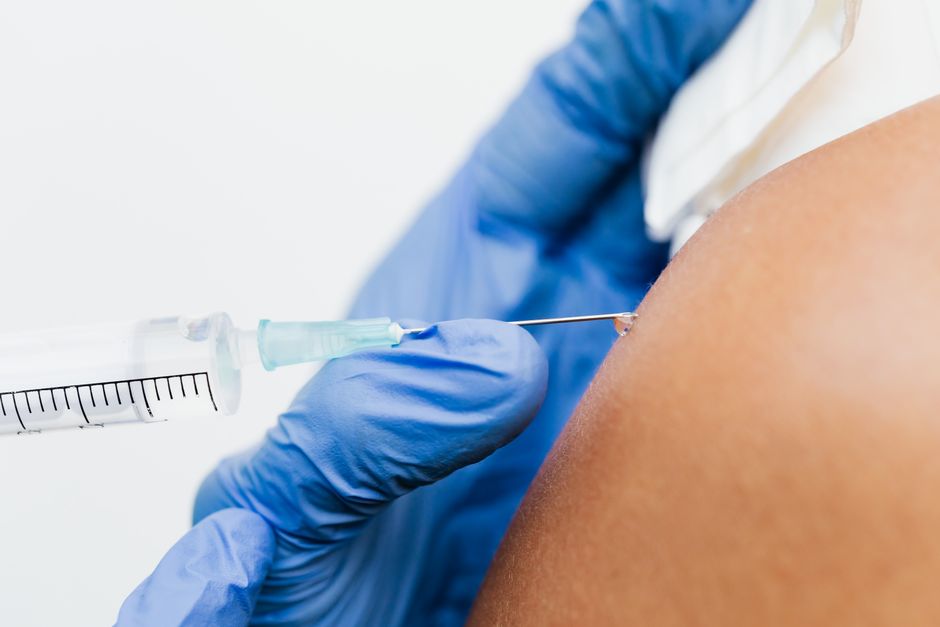
Trigger point injections are a common treatment for muscle pain, but the technique is not something to attempt on yourself at home. A trigger point injection involves a healthcare provider inserting a thin needle directly into a tight band of muscle tissue, called a trigger point, to relieve pain and improve movement. The procedure is considered safe when performed by a trained professional, but it carries real risks if done incorrectly, including infection, nerve damage, or a collapsed lung.
What Exactly Is a Trigger Point Injection?
A trigger point is a hyperirritable spot within a taut band of skeletal muscle. When you press on it, it hurts, and that pain can radiate to other parts of the body. These points often develop after injury, overuse, or prolonged poor posture.
During an injection, a clinician inserts a small needle into that specific spot. The needle may be dry, meaning no medication is injected, or it may deliver a local anesthetic like lidocaine or procaine. Sometimes a corticosteroid is used, though this is less common because of potential side effects to muscle tissue.
The goal is to disrupt the abnormal muscle contraction and increase blood flow to the area. This helps the muscle relax and reduces pain signals being sent to the brain.
Who Should Perform Trigger Point Injections?
Only licensed healthcare professionals with specific training should perform these injections. This typically includes physicians, such as physiatrists, pain management specialists, or primary care doctors. Some nurse practitioners and physician assistants also perform them under their state’s scope of practice.
You should never attempt to inject your own trigger points at home. The risk of hitting a blood vessel, nerve, or vital organ is too high. Self-injection also carries a serious risk of infection because you cannot maintain a sterile field on yourself.
If you are considering this treatment, ask your provider about their experience. A skilled practitioner can identify the correct injection site by palpating the muscle and observing your pain response.
How To Do Trigger Point Injections Technique Safety
The actual technique requires precision. The provider first locates the trigger point by feeling for a taut band of muscle and reproducing your pain. The skin is cleaned with an antiseptic solution to prevent infection.
The needle is inserted at a slight angle, often 30 to 45 degrees, depending on the muscle location. The provider advances the needle slowly until it enters the trigger point. You may feel a brief, sharp twitch in the muscle — this is called a local twitch response and is a good sign that the needle is in the right spot.
If medication is being used, the provider aspirates first. This means pulling back on the plunger to check that the needle is not inside a blood vessel. If blood appears, the needle is repositioned. Then the medication is injected slowly.
The needle is withdrawn and pressure is applied to the site to minimize bruising. The entire procedure usually takes less than a minute per trigger point.





What Are the Risks and Side Effects?
Most people tolerate trigger point injections well. Common side effects include mild soreness at the injection site, minor bruising, and temporary numbness if a local anesthetic was used. These effects typically resolve within a day or two.
Serious complications are rare but possible. Infection can occur if sterile technique is not followed. Bleeding is a risk, especially in people taking blood thinners. Nerve injury can happen if the needle directly hits a nerve, though this is uncommon when the provider is experienced.
The most serious risk is a pneumothorax, which is a collapsed lung. This can occur if the needle is inserted too deeply into the chest, shoulder, or upper back muscles. Needles used for trigger point injections are thin, so a pneumothorax from this procedure is usually small and may resolve on its own, but it requires immediate medical evaluation.
Tell your provider about all medications you take, especially blood thinners like warfarin or apixaban. Also mention any bleeding disorders or if you are pregnant, as some anesthetics are not recommended during pregnancy.
Does the Evidence Support Trigger Point Injections?
The research on trigger point injections is mixed. Some studies show meaningful pain relief, while others show results similar to a dry needle or even a sham procedure. This does not mean the treatment does not work — it means the response varies significantly between individuals.
What is clear is that injections are not a standalone cure. They are most effective when combined with physical therapy, stretching, and addressing the underlying cause of the muscle tension. If you return to the same posture or activity that created the trigger point, it will likely return.
Some research suggests that dry needling, which uses the same type of needle without medication, may be as effective as injections with anesthetic. This is relevant because it means the mechanical effect of the needle itself may be the main therapeutic component, not the drug.
How Many Injections Will You Need?
There is no standard number of injections that works for everyone. Some people feel relief after a single session. Others need a series of injections over several weeks. Most clinicians recommend no more than one injection per trigger point per session, and sessions are usually spaced at least a few days apart.
If you do not experience any improvement after two or three injection sessions, the treatment may not be right for your condition. Your provider should reassess your diagnosis and consider other treatment options.
Be cautious with providers who recommend frequent, repeated injections over many months. There is no evidence that ongoing injections provide cumulative benefit, and repeated injections into the same muscle can cause tissue damage.
What Happens After the Injection?
Immediately after the procedure, you may notice reduced pain in the injected muscle. This can last for hours or days. Once the local anesthetic wears off, some soreness may return. This is normal.
Applying ice to the injection site for 10 to 15 minutes can help reduce soreness. Heat may be used after 24 hours if muscle stiffness persists. Over-the-counter pain relievers like acetaminophen or ibuprofen can be used if needed, but ask your provider first, especially if you take other medications.
Gentle stretching of the injected muscle within 24 hours may help maintain the benefit. Your provider should give you specific instructions based on which muscle was treated.
Contact your provider immediately if you experience increasing pain, redness, swelling, warmth, fever, shortness of breath, or chest pain. These could be signs of infection, bleeding, or a pneumothorax.
Who Should Not Get Trigger Point Injections?
Certain people should avoid this procedure. If you have a known allergy to local anesthetics, injections with medication are not appropriate. People with bleeding disorders or those on anticoagulant therapy face a higher bleeding risk.
If the trigger point is in an area with an active skin infection, the injection should be postponed. The same applies if you have a systemic infection or are currently febrile.
Injections directly over a suspected tumor or into a muscle that is already severely atrophied should not be performed. Your provider should evaluate for these conditions before proceeding.
Frequently Asked Questions
Does a trigger point injection hurt?
Most people feel a brief sting as the needle enters the skin and a quick twitch when the needle hits the trigger point. The discomfort lasts only a few seconds, and many providers use a topical numbing spray beforehand.
Can you give yourself a trigger point injection?
No, you should never inject your own trigger points at home. The risk of infection, nerve damage, or puncturing a lung is too high, and you cannot maintain a sterile field on yourself.
How long does pain relief last after a trigger point injection?
Relief can last from a few hours to several weeks, depending on the individual and the underlying cause. Injections are most effective when paired with physical therapy or stretching.
Are trigger point injections the same as dry needling?
They use similar needles and target the same points, but trigger point injections deliver medication while dry needling does not. Some research suggests dry needling may be just as effective, but clinical practice varies.
