
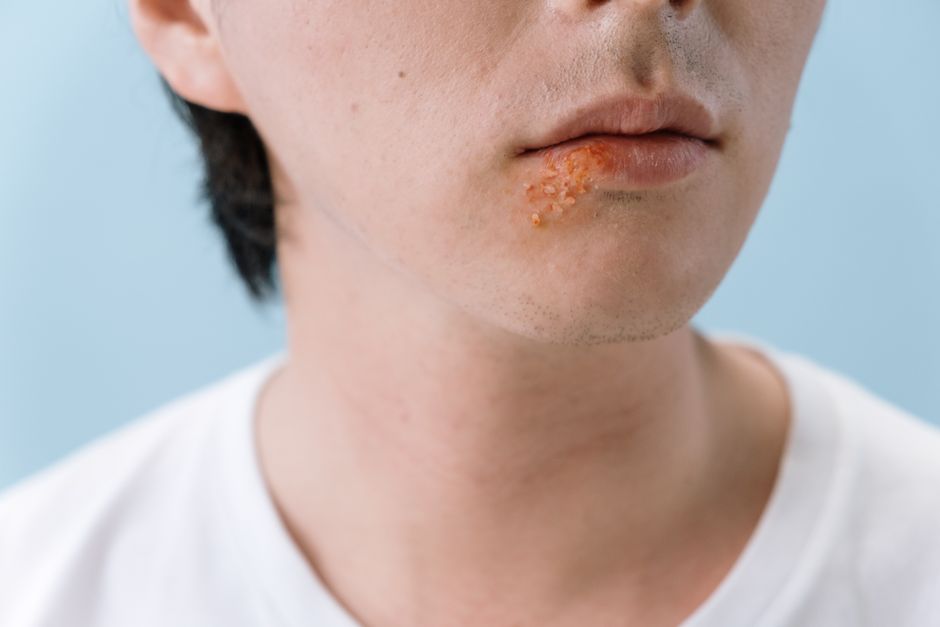
A cold sore on your lip is caused by the herpes simplex virus (HSV-1), and while there is no cure, you can treat the symptoms and speed up healing. The most effective approach combines antiviral medications, either over-the-counter creams or prescription pills, with careful wound care to prevent infection and irritation. For most people, starting treatment at the first sign of a tingling or burning sensation gives the best chance of shortening the outbreak.
What Antiviral Creams Actually Do
Antiviral creams are the first-line treatment for most cold sores. These products contain active ingredients like acyclovir or penciclovir that stop the virus from replicating inside your skin cells.
When you apply the cream, it does not kill the virus already present. Instead, it limits new virus production. This reduces the severity of the blister and shortens the healing time by roughly half a day to a full day when started early. The evidence for this benefit is well established in clinical trials.
You should apply the cream as soon as you feel the telltale tingling, itching, or burning sensation that precedes the blister. Most products recommend application five times a day for five days. Wash your hands before and after each application to avoid spreading the virus to your eyes or other people.
Prescription Oral Antivirals Work Faster
For frequent or severe outbreaks, oral antiviral medications are more effective than creams. These prescription pills—such as valacyclovir or acyclovir—work systemically, meaning they circulate through your bloodstream and reach the virus from the inside.
Oral antivirals are particularly useful when taken at the first symptom. A single high-dose course can sometimes stop the blister from fully forming. For people who get cold sores multiple times a year, a doctor may recommend suppressive therapy, which involves taking a lower dose daily to prevent outbreaks entirely.
These medications require a prescription, so you will need to see a healthcare provider. They are generally well tolerated, but they are not appropriate for everyone. Pregnant women, people with kidney disease, or those taking other medications should discuss risks with their doctor first.
Over-the-Counter Options Beyond Antivirals
Not all cold sore products contain antiviral drugs. Many effective options work by protecting the sore and managing symptoms rather than attacking the virus directly.
Docosanol is an over-the-counter cream that works differently from acyclovir. It prevents the virus from fusing with your cell membrane, which blocks entry into healthy cells. Clinical studies show it shortens healing time by about half a day when applied early. It is safe for most adults and can be bought without a prescription.
Zinc oxide creams, often found in diaper rash products, can also help. Zinc has mild antiviral properties and creates a protective barrier over the sore. Some studies suggest it reduces healing time, although the evidence is less robust than for dedicated antiviral products.
Lysine is an amino acid available as a cream or supplement. Some research suggests it may help, but the evidence is mixed. The American Academy of Dermatology does not strongly endorse lysine for cold sore treatment. If you try it, use it as an adjunct rather than your primary treatment.





What To Put On Cold Sore On Lip: The Best Home Care Practices
Beyond medication, how you care for the sore matters. The goal is to keep the area clean, moist, and protected from further irritation.
Apply a cold compress for 10-15 minutes several times a day. This reduces redness, swelling, and pain. Use a clean, damp cloth each time and wash it afterward to avoid contamination.
Keep the sore moist with a plain petroleum jelly or a fragrance-free lip balm. A dry, cracked cold sore is more painful and more likely to bleed or become infected with bacteria. Moisturizing also prevents the scab from cracking when you talk, eat, or smile.
Avoid touching the sore with your fingers. If you must touch it—for example, to apply cream—wash your hands immediately afterward. The virus spreads easily through direct contact, and you can transfer it to your eyes, genitals, or other people.
Do not pick at the scab. Picking delays healing, increases the risk of scarring, and can introduce bacterial infection into the wound. Let the scab fall off naturally.
Things You Should Never Put On A Cold Sore
Some popular home remedies are ineffective at best and harmful at worst. The internet is full of suggestions that have no clinical evidence behind them.
Toothpaste is a common folk remedy. The idea is that drying ingredients like baking soda or alcohol will dehydrate the blister. In reality, toothpaste irritates the skin, can cause contact dermatitis, and does not affect the virus. It will not speed healing.
Tea tree oil and other essential oils are sometimes recommended. While tea tree oil has some antiviral properties in laboratory settings, it is highly irritating to already damaged skin. Undiluted application can cause chemical burns. No clinical trials confirm it helps cold sores heal faster.
Alcohol or hydrogen peroxide will sting intensely and damage healthy skin cells around the sore. They do not kill the virus within the blister. These products delay healing by destroying new skin cells trying to form.
Hydrocortisone cream alone is not recommended. Steroids reduce inflammation but do not fight the virus. In fact, topical steroids can make viral infections worse by suppressing the local immune response. Some combination products include an antiviral plus a steroid, but these are prescription-only and should not be self-prescribed.
When To See A Doctor
Most cold sores resolve on their own within 7-10 days. But some situations require medical attention.
See a doctor if the cold sore does not heal within two weeks. A sore that persists longer could be something else entirely, including a bacterial infection or, rarely, a different skin condition.
Seek medical care if the infection spreads to your eyes. Herpes keratitis, an eye infection caused by HSV-1, can threaten vision and requires immediate treatment. Symptoms include eye pain, redness, discharge, or a feeling like something is in your eye.
People with weakened immune systems—due to chemotherapy, organ transplantation, or HIV—should contact a doctor at the first sign of a cold sore. They are at higher risk for severe, prolonged outbreaks that may require intravenous antiviral therapy.
If you get cold sores more than six times a year, discuss suppressive therapy with your doctor. Daily antiviral medication can reduce outbreak frequency by 70-80% in people with recurrent infections.
Preventing Future Outbreaks
Once you have HSV-1, the virus stays in your body permanently. It hides in nerve cells near your face and can reactivate under certain conditions.
Common triggers include stress, illness, fatigue, sun exposure, and hormonal changes. You cannot always prevent outbreaks, but you can reduce their frequency.
Use a lip balm with SPF 30 or higher daily. Sun exposure is one of the most common triggers, and ultraviolet light can reactivate the virus even on cloudy days. Reapply throughout the day, especially when outdoors.
Manage stress through exercise, adequate sleep, or relaxation techniques. The connection between stress and cold sores is well documented, although the exact mechanism is not fully understood.
Do not share cups, utensils, towels, or lip balm with others during an outbreak. The virus is most contagious when blisters are present but can spread even before symptoms appear.
Frequently Asked Questions
Does toothpaste help cold sores?
No, toothpaste does not help cold sores and can actually irritate the skin further. It has no antiviral properties and may delay healing by damaging healthy cells around the sore.
How long does a cold sore last?
A cold sore typically lasts 7-10 days from first symptom to complete healing. Starting antiviral treatment at the first tingling sensation can shorten this by a day or more.
Can I pop a cold sore blister?
Never pop a cold sore blister. The fluid inside contains live virus, and popping increases the risk of spreading the infection and leaves an open wound vulnerable to bacterial infection.
Is a cold sore contagious after the scab forms?
Yes, a cold sore can remain contagious until the scab completely falls off and the skin underneath is healed. The risk is highest when blisters are present, but the virus can still shed from the scabbed area.
