
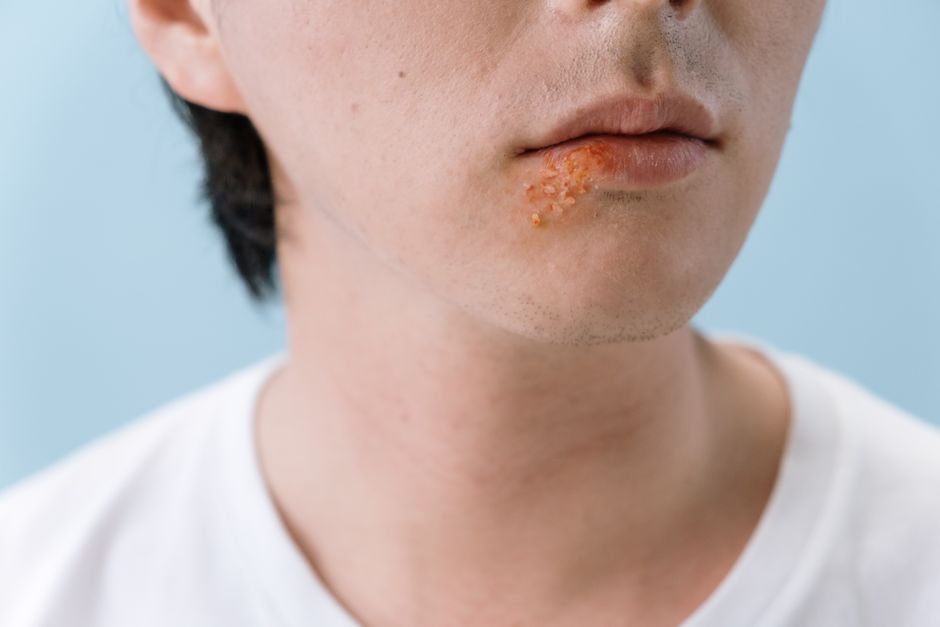
A cold sore outbreak is annoying, painful, and always seems to show up at the worst time. The fastest way to make one go away is to start treatment at the very first sign of a tingling or burning sensation, before the blister even appears. Prescription antiviral medications are the only proven way to actually shorten the duration of an outbreak, while over-the-counter creams and home remedies offer limited help with symptoms but do not stop the virus. The window for the most effective treatment is tight, so knowing what to do in those first few hours matters more than anything else you do later.
What Causes a Cold Sore Outbreak?
Cold sores are caused by the herpes simplex virus, most commonly HSV-1. Once you are infected, the virus stays in your body for life. It hides in nerve cells near your face, usually dormant and causing no problems.
Outbreaks happen when the virus reactivates. Common triggers include stress, illness, fatigue, sun exposure, and hormonal changes. For many people, the same trigger causes outbreaks every time. Knowing your personal triggers can help you predict when a cold sore is coming, which gives you a head start on treatment.
The virus spreads through direct contact with the sore or with saliva. You can pass it to someone else even when you have no visible blister, though the risk is highest when a sore is present.
How To Make Cold Sores Go Away Fast: Start With Prescription Antivirals
If you want the shortest possible outbreak, prescription antiviral medication is your best option. These drugs stop the virus from replicating. Less viral replication means a smaller sore and a faster healing time.
Three antiviral drugs are commonly used for cold sores: acyclovir, valacyclovir, and famciclovir. Valacyclovir is often prescribed because it requires fewer doses per day. These are taken by mouth. Topical prescription antivirals also exist but are generally less effective than oral ones.
The critical detail is timing. Antivirals work best when started within 48 hours of the first symptom, and ideally within the first hour or two. If you get frequent outbreaks, ask your doctor about keeping a prescription on hand so you can start treatment immediately when you feel that telltale tingle.
For people with very frequent outbreaks, some doctors recommend daily suppressive therapy. This means taking a low dose of antiviral medication every day to prevent outbreaks entirely. This approach is common and well supported by clinical evidence, though it requires a doctor’s prescription and ongoing management.
What About Over-the-Counter Creams?
Drugstore shelves are full of cold sore creams. The most common active ingredient is docosanol, sold under the brand name Abreva. This medication is FDA-approved and has been shown in clinical trials to shorten healing time, but the effect is modest.
Docosanol works by preventing the virus from fusing with cell membranes, which blocks entry into healthy cells. It is most effective when applied at the first sign of an outbreak and then reapplied several times daily. The evidence shows it shortens healing by roughly half a day to a day compared to no treatment.
Other creams contain ingredients like benzocaine or lidocaine. These are numbing agents. They do nothing to fight the virus, but they can make the sore less painful while it heals. Some people find this worthwhile even though the outbreak lasts the same amount of time.
Be cautious with products that claim to “kill” the virus or “eliminate” outbreaks. No over-the-counter product can do either of those things. The virus lives in your nerve cells, not on your skin, so no topical product can reach it where it hides.



Do Home Remedies Actually Work?
The internet is full of home remedy suggestions for cold sores. Some have a little science behind them. Most do not.
Lysine is the most studied home remedy. It is an amino acid that some research suggests may reduce outbreak frequency when taken daily as a supplement. The evidence is mixed, and studies have not consistently shown that taking lysine during an outbreak shortens it. Some people report benefit, but clinical trials have not confirmed this reliably.
Ice packs can reduce pain and swelling. They do not shorten the outbreak, but they make the first few days more comfortable. Applying a cool, damp cloth for 10 to 15 minutes at a time can provide temporary relief.
Aloe vera gel is soothing but has no proven antiviral effect against HSV-1. Tea tree oil has antiviral properties in laboratory studies, but it has not been shown to work on cold sores in humans, and it can irritate skin. Lemon balm cream has some small studies suggesting benefit, but the evidence is not strong enough to recommend it as a primary treatment.
One thing to avoid is picking or popping the blister. This does not speed healing. It can spread the virus to other parts of your face, introduce bacteria, and leave a scar. Let the blister run its course.
How Long Does a Cold Sore Last Without Treatment?
An untreated cold sore typically follows a predictable pattern. The tingling stage lasts about a day. The blister forms and fills with fluid. Within a few days, the blister bursts and weeps. A crust forms, then the scab falls off. Total healing time is usually 7 to 10 days.
With prescription antivirals started early, that timeline can shrink to 4 to 5 days. The difference may sound small, but it means two fewer days of visible sore and several fewer days of discomfort.
Healing time varies from person to person. First outbreaks tend to be more severe and last longer than recurrent ones. People with weakened immune systems may have longer, more frequent, and more severe outbreaks. If your cold sores last more than two weeks, take longer to heal than usual, or come back very frequently, talk to a doctor.
Preventing Cold Sores From Spreading
Cold sores are highly contagious. The virus can spread through kissing, sharing utensils, sharing lip balm, or touching the sore and then touching someone else. You can also spread the virus to other parts of your own body, most dangerously to your eyes.
While you have an active sore, avoid kissing anyone. Do not share drinks, food, utensils, towels, or lip products. Wash your hands frequently, especially after touching your face. Avoid touching the sore unless you are applying medication, and wash your hands immediately afterward.
Sun exposure is a common trigger. Using lip balm with SPF regularly may reduce outbreak frequency in people who are sensitive to sunlight. Some research supports this, and it is a low-cost habit with clear benefits for skin health regardless.
If you have a cold sore, you should avoid intimate contact until the sore is completely healed and the scab has fallen off. The virus can still be present in saliva for a short time after healing, so caution for a few extra days is reasonable.
When To See a Doctor
Most cold sores resolve on their own and do not require medical attention. But some situations warrant a doctor’s visit.
See a doctor if you have frequent outbreaks, if the sore does not heal within two weeks, or if the pain is severe. You should also seek medical advice if you have a weakened immune system from any cause, including chemotherapy, organ transplantation, or conditions like HIV.
Eye involvement is an emergency. If you feel pain, redness, or irritation in your eye during a cold sore outbreak, or if you develop a sore near your eye, seek medical care immediately. Herpes infection of the eye can cause permanent vision damage if not treated promptly.
If you get more than six outbreaks per year, ask your doctor about suppressive therapy. Many people are candidates for daily antiviral medication, which can dramatically reduce outbreak frequency.
Frequently Asked Questions
Can toothpaste get rid of cold sores?
No, toothpaste does not get rid of cold sores and can actually irritate the skin. No clinical evidence supports this popular home remedy.
Can I pop a cold sore blister to make it heal faster?
No, popping the blister slows healing and increases the risk of infection and scarring. The fluid inside contains live virus, so popping also makes the sore more contagious.
Are cold sores contagious after the scab falls off?
The risk is much lower after the scab falls off, but the virus can still shed in saliva for a short time. Continuing to avoid kissing and sharing items for a few extra days is wise.
Can I get a cold sore from someone who does not have a visible sore?
Yes, the virus can spread through saliva even when no sore is visible. This is called asymptomatic shedding, and it is one reason HSV-1 is so common.
