
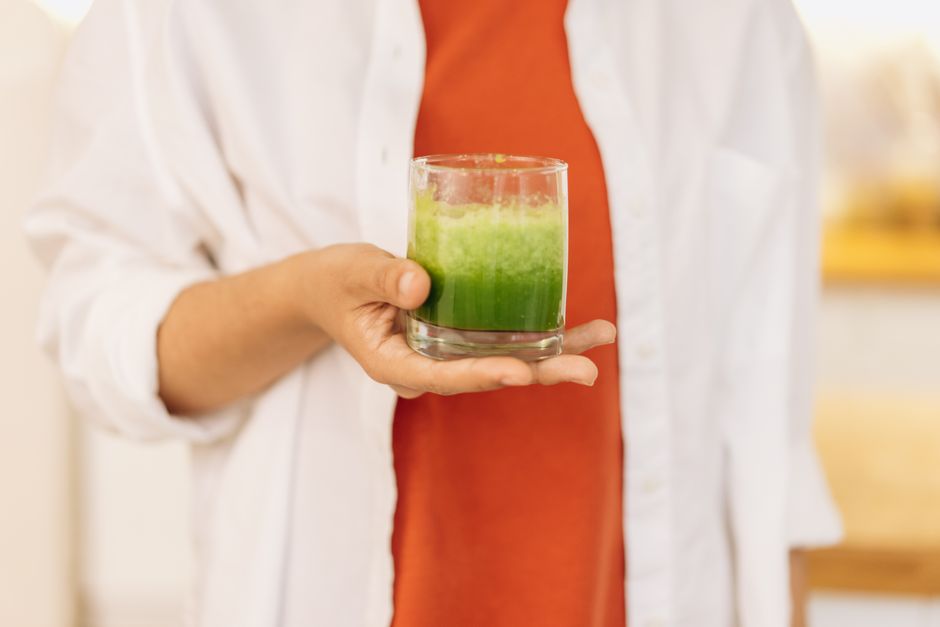
Your gut does not need a “cleanse” in the way social media influencers describe it. Your body already has a built-in system — your liver, kidneys, and colon — that removes waste and toxins every single day. What most people actually want when they search for how to cleanse your gut is relief from bloating, irregularity, or sluggish digestion. The real answer is not a juice fast or a colon cleanse kit. It is about supporting your body’s natural processes with food, fiber, and habits that reduce inflammation and feed the trillions of bacteria living inside you. Research published in Nature Reviews Gastroenterology & Hepatology confirms that a diverse gut microbiome is linked to better digestion, stronger immunity, and lower risk of chronic disease. Here is what the evidence actually says about improving gut health — no gimmicks required.
What Does “Gut Cleanse” Actually Mean?
The term “gut cleanse” is not a medical term. Doctors and registered dietitians do not use it. What people usually mean is reducing bloating, improving bowel regularity, and feeling less sluggish after eating. Some people also want to remove “toxins” — but your body already does that through your liver and kidneys. The idea that toxins build up in your colon and need to be flushed out is not supported by medical evidence. The American Gastroenterological Association states that colon cleansing for general health is not recommended and can cause harm.
What does matter is the health of your gut microbiome — the community of bacteria, fungi, and other microbes living in your digestive tract. A healthy microbiome helps break down food, produces vitamins like B12 and K, and supports your immune system. When the microbiome is out of balance — a state called dysbiosis — you may experience gas, bloating, irregular bowel movements, or low energy. Restoring balance is what a real “gut cleanse” should aim for.
Does How To Cleanse Your Gut Actually Work?
It depends on what you mean by “work.” If you mean a quick fix that removes waste and makes you feel lighter — some methods like laxatives or colonics can produce that feeling temporarily. But they do not improve long-term gut health. In fact, they can disrupt your microbiome by flushing out beneficial bacteria along with waste. A study in the World Journal of Gastroenterology found that colon hydrotherapy did not show lasting benefits for digestive health and carried risks like electrolyte imbalance and infection.
If you mean improving digestion, reducing bloating, and supporting regular bowel movements — then yes, there are evidence-based strategies that work. But they take time. Fiber, hydration, and fermented foods do not produce overnight results. They work over weeks and months by feeding the good bacteria and allowing your gut lining to heal. Real gut health is a long game, not a weekend project.
What Does Research on Gut Health Show?
Research consistently points to three key factors: fiber diversity, fermented foods, and reduced ultra-processed food intake. A landmark study from Stanford University published in Cell in 2021 found that people who ate a diet rich in fermented foods like yogurt, kefir, and kimchi showed increased microbiome diversity and lower markers of inflammation. The effect was stronger than a high-fiber diet alone, though fiber also helped.
Fiber is the primary food source for beneficial gut bacteria. When bacteria digest fiber, they produce short-chain fatty acids like butyrate, which feed the cells lining your colon and reduce inflammation. The National Institutes of Health reports that most Americans get only about 15 grams of fiber per day — far below the recommended 25 to 38 grams. Increasing fiber intake from whole foods like oats, beans, lentils, apples, and leafy greens is one of the most effective ways to support gut health.
Probiotics also have research support, but the evidence is more mixed. Some strains help with specific conditions like antibiotic-associated diarrhea or irritable bowel syndrome. But the effects are strain-specific, and many commercial probiotics do not survive stomach acid. A review in Clinical Gastroenterology and Hepatology concluded that probiotics are not a substitute for a healthy diet and should be targeted to specific symptoms.




What Foods Actually Help Your Gut?
Focus on feeding your gut bacteria, not starving yourself. The table below compares common gut-health approaches based on evidence:
| Approach | What It Does | Evidence Level | Potential Downsides |
|---|---|---|---|
| High-fiber whole foods | Feeds beneficial bacteria, promotes regularity | Strong — supported by multiple clinical trials | Gas or bloating if increased too quickly |
| Fermented foods (yogurt, kefir, kimchi) | Introduces live bacteria, reduces inflammation | Strong — Stanford Cell study showed benefits | High sodium in some varieties; not all are pasteurized |
| Probiotic supplements | May help specific conditions | Moderate — strain-dependent | Expensive; many strains do not survive digestion |
| Colon cleanses / laxatives | Temporary relief of constipation | Weak — no long-term gut health benefit | Risk of dehydration, electrolyte imbalance, infection |
| Juice fasts | Low fiber, high sugar | Weak — no evidence for gut health improvement | Can worsen blood sugar; starves gut bacteria |
Specific foods with strong evidence include oats, barley, bananas, garlic, onions, and leeks — all contain prebiotic fibers that feed good bacteria. Berries, dark chocolate, and green tea provide polyphenols that also support microbiome diversity. A 2019 study in Gut found that people who ate more than 30 different plant foods per week had the most diverse gut microbiomes. That number is a useful target, not a strict rule — but variety matters more than any single food.
What Should You Avoid for Better Gut Health?
Ultra-processed foods are the clearest enemy of gut health. They are low in fiber, high in sugar, and often contain emulsifiers and artificial sweeteners that can damage the gut lining. Research in Nature found that emulsifiers like carboxymethylcellulose and polysorbate-80 altered the gut microbiome in mice and increased inflammation. Human studies are still emerging, but the pattern is consistent: the more processed your diet, the less diverse your microbiome.
- Artificial sweeteners like sucralose and saccharin may reduce beneficial bacteria. A 2014 study in Nature found they altered gut bacteria in humans and impaired glucose tolerance.
- Excess alcohol disrupts the gut barrier and increases intestinal permeability, sometimes called “leaky gut.” The CDC recommends no more than one drink per day for women and two for men.
- Antibiotics are necessary for bacterial infections but wipe out beneficial gut bacteria. Only use them when prescribed, and consider eating fermented foods during and after a course.
- Chronic stress alters gut bacteria through the gut-brain axis. A 2020 review in Frontiers in Psychiatry found that stress reduces beneficial bacteria and increases inflammation.
One non-obvious insight: overuse of fiber supplements like psyllium can sometimes backfire. While they help with constipation, relying on them instead of whole food fiber means you miss the variety of nutrients and polyphenols that whole plants provide. Use supplements as a tool, not a replacement for real food.
How Long Does It Take to Improve Gut Health?
It depends on your starting point and what changes you make. A study in Gut Microbes found that switching to a high-fiber diet began to shift the microbiome within 24 hours. But meaningful, lasting changes in bacterial diversity took about two to four weeks. If you add fermented foods daily, some studies show reductions in inflammatory markers within two to three weeks.
For people with significant dysbiosis — from long-term poor diet, antibiotics, or chronic stress — it can take several months. The gut lining itself regenerates every few days, but the bacterial ecosystem takes longer to stabilize. Consistency matters more than intensity. Eating a diverse, fiber-rich diet most days is better than a perfect diet for one week followed by a return to processed foods.
Some people report feeling worse before they feel better. Increasing fiber too quickly can cause gas, bloating, and cramping. This is normal as your gut bacteria adjust. Start with small increases — one extra serving of vegetables per day — and increase gradually over two weeks. Drink plenty of water, as fiber absorbs water and can cause constipation without it.
Common Misconceptions About Gut Cleanses
The idea that your colon is “caked” with old waste is a myth. The colon sheds its lining every few days, and the body is efficient at moving waste through. Colon cleansing products that claim to remove “years of buildup” are not based on anatomy or physiology. The Federal Trade Commission has taken action against companies making these claims for lack of evidence.
Another myth is that you need to “reset” your gut with a fast. While intermittent fasting has some evidence for metabolic health, there is no evidence that a multi-day fast improves microbiome diversity. In fact, fasting reduces the food supply for gut bacteria, which can lower their numbers. A better approach is to eat within a consistent window while still feeding your bacteria with fiber and fermented foods.
Some people also believe that probiotics alone can fix gut health. Probiotics can help in specific situations, but they are not a substitute for a healthy diet. If you eat a diet low in fiber, the probiotics you take will not have the food they need to survive. Prebiotics — the fiber that feeds bacteria — are just as important.
Frequently Asked Questions
How long does a gut cleanse take to work?
Meaningful changes in gut bacteria can begin within 24 hours of dietary changes, but lasting improvements in digestion and symptoms usually take two to four weeks. Consistency over several months produces the best results.
Is a juice cleanse good for your gut?
No. Juice cleanses are low in fiber and high in sugar, which can starve beneficial gut bacteria and cause blood sugar spikes. They do not provide the prebiotic fiber your microbiome needs to thrive.
Can I reset my gut in 3 days?
No. A three-day reset is not supported by evidence. The gut microbiome requires ongoing dietary changes over weeks and months to shift bacterial populations and improve digestive health.
Do colon cleanses remove toxins?
No. The body removes toxins through the liver and kidneys, not the colon. Colon cleansing carries risks including dehydration, electrolyte imbalance, and infection, with no proven long-term benefit for gut health.
