
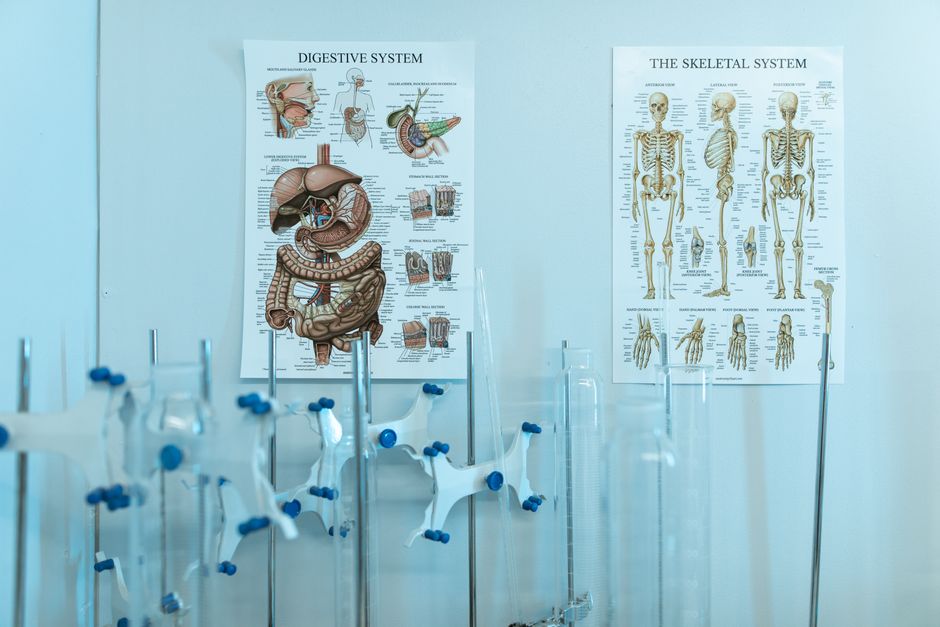
Your digestive system turns a sandwich into fuel for your heart, muscles, and brain. That is its job in one line. More precisely, it breaks food down into nutrients small enough to enter your bloodstream, absorbs those nutrients, and moves what your body cannot use out of the body. Along the way it also blocks harmful substances from getting in, and it hosts a large community of microbes that influence health in ways researchers are still working out.
What Is The Job Of The Digestive System Core Functions?
The core job is to convert food into usable energy and building material while keeping the inside of your body protected from what you swallow. Digestion is both mechanical and chemical. Your teeth and stomach muscles physically break food apart. Enzymes and acid break it down chemically into molecules your cells can absorb.
Those molecules — sugars, amino acids, fatty acids, vitamins, and minerals — cross the lining of the small intestine into the blood. From there they travel to the liver first, which sorts, stores, or processes them before they reach the rest of the body. Anything your body cannot digest or absorb continues into the large intestine and is eventually eliminated.
The digestive tract is essentially a long tube that runs from your mouth to your anus. It is open to the outside world at both ends. That is why it needs a defense system. The stomach acid, the mucus lining, and immune tissue in the gut wall all serve this protective role.
What Organs Make Up The Digestive System?
The tract itself includes the mouth, esophagus, stomach, small intestine, large intestine, rectum, and anus. Several other organs sit outside the tube but are essential to digestion. The liver, gallbladder, and pancreas all deliver substances into the small intestine through ducts.
The small intestine is where most nutrient absorption happens. It is roughly 20 feet long in adults, folded into the abdomen. Its inner surface is covered in tiny finger-like projections called villi, which themselves are covered in even smaller projections called microvilli. This structure creates an enormous surface area for absorbing nutrients.
The large intestine, or colon, is about 5 feet long. It absorbs water and some minerals, and it houses the majority of your gut bacteria. The liver produces bile, which helps digest fat. The gallbladder stores that bile and releases it when fatty food arrives. The pancreas sends enzymes that break down proteins, fats, and carbohydrates, plus bicarbonate that neutralizes stomach acid.
One point worth clarifying: the appendix is part of the digestive tract, but its role in humans is not fully settled. It contains immune tissue, and some research suggests it may serve as a reservoir for beneficial gut bacteria. That idea is plausible but not firmly established.
How Does Food Move Through The Digestive Tract?
Food moves because of rhythmic muscle contractions called peristalsis. These waves push contents forward whether you are awake or asleep. You do not control them consciously.
Timing varies widely between people and between meals. In general, food spends a few seconds in the esophagus, a few hours in the stomach, and several hours in the small intestine. The colon can hold material for a day or more. A commonly cited range for total transit time in healthy adults is roughly 24 to 72 hours, though this varies a great deal.
The stomach is worth a closer look. It holds food, mixes it with acid and enzymes, and releases it into the small intestine in a controlled way. Stomach acid is strong enough to break down proteins and kill many microbes you swallow. The stomach lining protects itself with a thick layer of mucus. When that protection fails, an ulcer can form.


What Does The Digestive System Do Besides Digest Food?
It acts as a barrier, an immune organ, and a signaling hub. These roles matter as much as nutrient absorption.
The gut lining is a single layer of cells that separates what you ate from your bloodstream. Between those cells are tight junctions that control what passes through. When this barrier is disrupted, bacteria and bacterial fragments can cross into the blood. Researchers study this in conditions like inflammatory bowel disease, but the details are still being worked out.
A large share of the body’s immune cells sit in the gut wall. This makes sense. The gut meets more foreign material than any other part of the body. Immune tissue there must tolerate harmless food proteins and beneficial bacteria while attacking pathogens.
The gut also contains its own nervous system, sometimes called the enteric nervous system. It has hundreds of millions of neurons and can coordinate digestion without input from the brain. The gut and brain communicate constantly through nerves and hormones. This connection is real and well documented, though claims about it are often stretched beyond what the evidence supports.
How Do The Gut Microbiome And Digestion Interact?
Your colon holds trillions of bacteria, along with fungi, viruses, and other microbes. Collectively this is the gut microbiome. These organisms ferment fiber your small intestine cannot digest, producing short-chain fatty acids that feed colon cells and influence metabolism.
The evidence here is genuinely mixed in places. Research consistently shows the microbiome affects digestion, immune function, and some aspects of metabolism. What is less clear is how to change it reliably, or whether specific microbiome patterns cause specific diseases. Many studies find associations. Fewer establish cause.
Probiotic supplements are widely sold. Some strains have evidence for specific uses, such as reducing antibiotic-associated diarrhea. For most other claims, the evidence is limited or inconsistent. That does not mean probiotics are useless. It means the marketing has outrun the science.
What Common Problems Affect The Digestive System?
Digestive complaints are among the most common reasons people see a doctor. Some are minor and pass. Others need medical attention.
- Gastroesophageal reflux — stomach contents flow back into the esophagus, causing burning. Occasional reflux is common. Frequent reflux can damage the esophagus over time.
- Irritable bowel syndrome — a functional disorder causing abdominal pain with changes in bowel habits. It does not damage the intestine, but symptoms can be significant.
- Inflammatory bowel disease — includes Crohn’s disease and ulcerative colitis. These involve immune-driven inflammation of the gut wall.
- Celiac disease — an autoimmune reaction to gluten that damages the small intestine lining and impairs nutrient absorption.
- Constipation — often linked to low fiber intake, low fluid intake, inactivity, or certain medications.
These conditions differ in cause, mechanism, and treatment. A symptom like abdominal pain or bloating can come from many of them, or from none. That overlap is why diagnosis usually requires more than symptoms alone.
How Can You Support Healthy Digestion?
The fundamentals are not complicated, and they are well supported. Eat fiber from a variety of plant foods. Drink enough water. Stay physically active. Eat slowly and chew well.
Fiber deserves emphasis. It adds bulk to stool, feeds gut bacteria, and slows how quickly sugar enters the blood. Most adults in the US fall short of recommended fiber intake. Current dietary guidelines suggest roughly 25 to 38 grams per day for adults, depending on age and sex. Most people get about half that.
Regular meals and consistent sleep habits appear to help some people with digestive symptoms. So does managing stress, since the gut and brain are connected. This does not mean stress causes all digestive problems. It means stress can influence how the gut behaves.
What does not have strong evidence: cleanses, detox teas, and most “gut reset” products. Your liver and kidneys already remove waste. No clinical evidence confirms these products do anything your body is not already doing.
When Should You See A Doctor About Digestive Symptoms?
Most digestive symptoms are temporary. Some warrant prompt medical attention.
Seek care if you notice blood in your stool, black or tarry stools, persistent vomiting, unintentional weight loss, difficulty swallowing, severe or worsening abdominal pain, or symptoms that last for weeks without improving. These signs do not automatically mean something serious is wrong. They mean a doctor should evaluate them.
Age matters for screening. Colorectal cancer screening is generally recommended starting at age 45 for average-risk adults, though guidance has shifted over time and individual risk factors can change the recommended starting age. Talk with a clinician about your own situation rather than relying on a general rule.
Frequently Asked Questions
What is the main job of the digestive system?
Its main job is to break food down into nutrients the body can absorb and use for energy, growth, and repair. It also keeps harmful substances from entering the bloodstream and removes what the body cannot use.
How long does food take to digest?
Total transit time in healthy adults is commonly estimated at roughly 24 to 72 hours, though this varies widely between people. The stomach usually empties within a few hours, and most nutrient absorption happens in the small intestine.
Where does most nutrient absorption happen?
Most nutrient absorption happens in the small intestine, which has a large folded surface covered in villi and microvilli. The colon absorbs mainly water and some minerals.
Does the digestive system affect the immune system?
Yes. A large share of the body’s immune cells sit in the gut wall, where they must tolerate harmless food and bacteria while attacking pathogens. The gut lining also acts as a physical barrier between what you eat and your bloodstream.
