
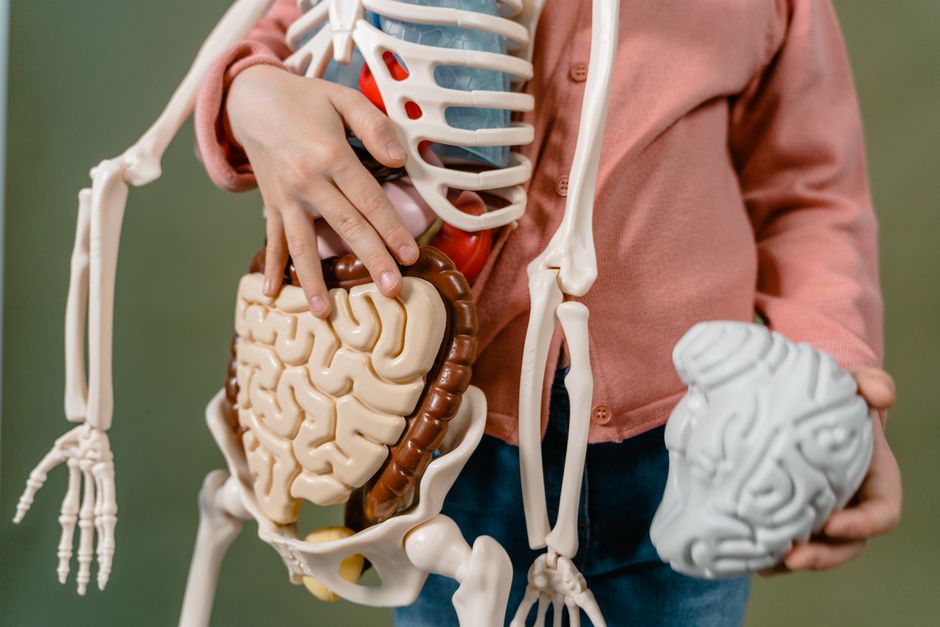
Digestive health is about more than avoiding an upset stomach. It affects how your body absorbs nutrients, how your immune system functions, and even how you feel day to day. You can improve your digestive system by focusing on consistent habits: eating a fiber-rich diet, staying hydrated, managing stress, and moving your body regularly. These are the core pillars that gastroenterologists and dietitians consistently point to for maintaining a healthy gut.
How Can You Improve Your Digestive System Naturally?
Improving your digestion naturally starts with what you eat and drink. Your digestive tract processes everything you consume, so the quality of your diet directly impacts how well it works.
Fiber is the single most important nutrient for digestive health. It adds bulk to your stool and helps food move through your system at a healthy pace. Soluble fiber, found in oats, beans, and apples, absorbs water and helps manage stool consistency. Insoluble fiber, found in whole grains and vegetables, acts like a brush to keep things moving.
Water is equally critical. Fiber without enough water can actually make constipation worse. Aim to drink fluids consistently throughout the day rather than gulping large amounts at once. Water helps dissolve fats and soluble fiber, allowing food to pass through the intestines more easily.
What Foods Are Best for Gut Health?
A diverse diet supports a diverse community of gut bacteria. Research consistently shows that people who eat a wide variety of plant foods have healthier gut microbiomes than those who eat the same limited foods repeatedly.
Fermented foods are particularly valuable. Yogurt with live cultures, kefir, sauerkraut, kimchi, and miso contain beneficial bacteria that can populate your gut. Some studies suggest these foods can improve digestion and reduce symptoms of bloating and irregularity. The evidence is strongest for yogurt and kefir, which have been studied more extensively than other fermented products.
Prebiotics are the food that your existing gut bacteria need to thrive. These are types of fiber that humans cannot digest but bacteria can. Good sources include garlic, onions, leeks, asparagus, bananas, and Jerusalem artichokes. Eating prebiotics regularly supports the beneficial bacteria already living in your colon.
Some research suggests that a Mediterranean-style diet — rich in fruits, vegetables, legumes, nuts, and olive oil — is associated with better digestive outcomes. This pattern of eating provides both fiber and polyphenols, plant compounds that gut bacteria use for energy.
Should You Take Probiotics or Digestive Enzymes?
Probiotic supplements are popular, but the evidence for them is more complicated than marketing suggests. Different strains of bacteria do different things, and a supplement that helps one person may do nothing for another.
Some clinical evidence supports probiotics for specific conditions. Certain strains of Lactobacillus and Bifidobacterium have been shown to reduce antibiotic-associated diarrhea. Other strains may help with irritable bowel syndrome symptoms. However, no single probiotic works for every digestive complaint, and the quality of supplements varies widely between brands.
Digestive enzyme supplements are a different category. Your body produces enzymes naturally in your saliva, stomach, and pancreas to break down food. Enzyme supplements may help people with specific conditions like lactose intolerance or pancreatic insufficiency. For healthy people with no diagnosed enzyme deficiency, the evidence that these supplements improve digestion is limited.
If you choose to try a probiotic, look for products that list the specific strains and the amount of bacteria they contain. The evidence for benefit is stronger when a product specifies which strains are included rather than using vague terms like “probiotic blend.”




How Does Stress Affect Your Digestion?
The connection between your brain and your digestive system is direct and well documented. Your gut has its own nervous system, sometimes called the enteric nervous system, with hundreds of millions of nerve cells lining your digestive tract.
When you experience stress, your body activates its fight-or-flight response. This response slows or halts digestion because your body prioritizes other functions. Blood flow is redirected away from the digestive organs toward muscles and the brain. This can lead to symptoms like stomach pain, cramping, nausea, or changes in bowel habits.
Chronic stress is different from occasional stress. Ongoing stress can alter the composition of your gut bacteria and increase inflammation throughout the digestive tract. Some research indicates that stress management techniques like mindfulness, meditation, and deep breathing exercises can improve digestive symptoms, particularly in people with IBS.
The clinical term for this connection is the gut-brain axis. It works in both directions — not only does stress affect your gut, but digestive discomfort can increase feelings of anxiety and stress. This is why digestive problems often improve when people address their mental health, and why mental health often improves when digestive issues resolve.
Does Exercise Improve Digestion?
Physical activity helps food move through your digestive tract. Regular exercise stimulates natural contractions of the intestinal muscles, a process called peristalsis. This movement propels food forward and helps prevent constipation.
Research suggests that moderate exercise — like brisk walking, cycling, or swimming — can reduce the time it takes for food to travel through the colon. Some studies have found that physically active people have lower rates of constipation and diverticular disease than sedentary people.
The intensity matters. Gentle to moderate exercise supports digestion. Extremely intense exercise, like marathon running or heavy competitive training, can actually cause digestive distress in some people, including nausea, cramping, or diarrhea. This is because intense exercise diverts blood flow away from the digestive organs.
Walking after a meal is a simple and effective habit. A short walk of 10 to 15 minutes after eating can aid digestion and help regulate blood sugar levels. This is a low-risk practice that most people can incorporate easily.
What Habits Damage Digestive Health?
Several common habits can undermine digestive function over time. Recognizing these patterns is the first step in changing them.
Eating too quickly is a frequent problem. When you eat fast, you tend to swallow air, which causes bloating and gas. Your brain also needs time to register fullness, so fast eaters often overeat. Slowing down and chewing food thoroughly gives your stomach time to signal to your brain that you are full.
Regular use of nonsteroidal anti-inflammatory drugs, or NSAIDs, can damage the stomach lining. Medications like ibuprofen and naproxen can cause irritation, bleeding, or ulcers when used frequently or at high doses. If you take these medications regularly for pain, talk to your doctor about your digestive risks.
Low stomach acid is a less obvious problem. Many people assume heartburn means too much stomach acid, but in many cases it is a sign of acid refluxing into the esophagus. Adequate stomach acid is necessary for breaking down protein and killing harmful bacteria that enter with food.
Smoking and excessive alcohol consumption both harm the digestive tract. Smoking weakens the valve between the esophagus and stomach, which allows acid to flow backward. Alcohol can irritate the stomach lining and disrupt the balance of gut bacteria.
When Should You See a Doctor?
Most digestive discomfort is temporary and responds to lifestyle changes. However, certain symptoms warrant medical attention rather than home management.
See a doctor if you experience any of the following:
- Blood in your stool or black, tarry stools
- Unexplained weight loss
- Severe abdominal pain that does not go away
- Difficulty swallowing or pain when swallowing
- Persistent vomiting
- Changes in bowel habits lasting more than a few weeks
- Jaundice, which appears as yellowing of the skin or eyes
These symptoms can indicate conditions that require diagnosis and treatment. Do not delay seeking care if you notice any of them.
For chronic symptoms like bloating, gas, or irregular bowel movements that have lasted for months, discussing them with your doctor is reasonable. These symptoms may indicate conditions like irritable bowel syndrome, celiac disease, or food intolerances that can be diagnosed with proper testing.
Keep in mind that digestive symptoms can have many causes. What looks like a food intolerance may actually be a more serious condition, and what appears serious may resolve with simple dietary changes. A medical evaluation is the only way to know for certain.
Frequently Asked Questions
How long does it take to improve your digestive system?
Most people notice improvements in digestion within a few days to two weeks of consistent dietary changes. Significant changes to gut bacteria composition may take several weeks or months to stabilize.
Can drinking more water cure constipation?
Increasing water intake helps relieve constipation only if you were dehydrated in the first place. If you are adequately hydrated, adding more water alone may not resolve constipation without also increasing fiber and physical activity.
Is yogurt good for your digestive system every day?
Yogurt with live active cultures can be part of a healthy daily diet for most people. Choose plain yogurt without added sugars, since excess sugar can feed less beneficial bacteria in the gut.
Do digestive enzyme supplements help with bloating?
Enzyme supplements may help with bloating if you have a diagnosed enzyme deficiency, such as lactose intolerance. For people without a specific deficiency, clinical evidence does not consistently show that these supplements reduce bloating.
