
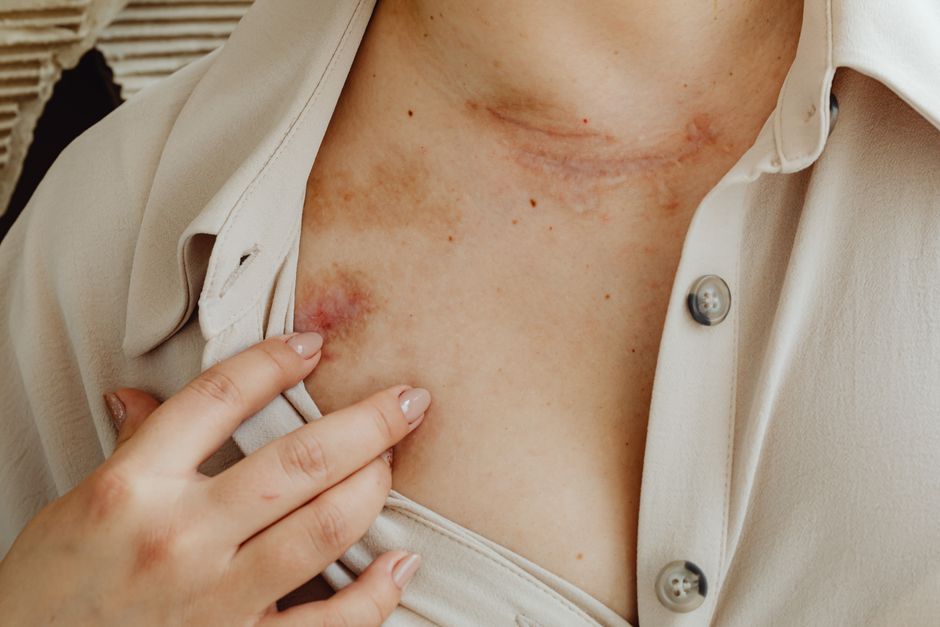
Hydrogen peroxide is a common household antiseptic, but it is not the best choice for cleaning most wounds. For a typical cut or scrape, plain water and mild soap are safer and just as effective. Hydrogen peroxide can damage healthy tissue while it bubbles away debris, which may slow the healing process.
How To Clean A Wound With Hydrogen Peroxide
If you choose to use hydrogen peroxide, use it only once for initial cleaning. Do not use it repeatedly on the same wound. Pour it directly over the wound and let it bubble. The bubbling is a chemical reaction that releases oxygen. This reaction can kill bacteria, but it also harms the cells your body needs to repair the wound.
After the bubbling stops, rinse the area with clean water or saline. This removes the peroxide and any loosened debris. Then apply a thin layer of antibiotic ointment if you prefer, and cover the wound with a sterile bandage.
The most important rule is to use it sparingly. Once is enough. Repeated use keeps damaging new skin cells as they form.
Why Hydrogen Peroxide Can Slow Healing
Hydrogen peroxide is an oxidizing agent. When it touches blood or tissue, it breaks down into water and oxygen. The oxygen forms bubbles. This same process that kills bacteria also damages fibroblasts. Fibroblasts are the cells responsible for building new connective tissue and closing the wound.
Research has shown that hydrogen peroxide can be toxic to these healing cells. Some studies indicate it may increase scarring compared to cleaning with plain saline. The damage is usually minor, but it is unnecessary when water works without any downside.
This is why many doctors and wound care specialists now recommend against routine use. The older generation grew up with hydrogen peroxide as the standard. Modern guidance favors gentler methods.
What To Use Instead: The Safer Standard
Clean tap water is the best first choice for most minor wounds. Run the wound under lukewarm tap water for several minutes. This flushes out dirt and most bacteria. Mild soap around the edges is fine, but try to keep soap out of the open wound itself because it can irritate the tissue.
Saline solution is another excellent option. You can buy sterile saline at a pharmacy or make it at home by dissolving 1/2 teaspoon of salt in 1 cup of boiled and cooled water. Saline matches the salt concentration of your body fluids, so it does not sting or damage cells.
For dirty wounds, mild soap and water is the recommended method. For clean cuts, saline or water alone is sufficient. Neither option damages the tissue that needs to heal.




Step-by-Step: Proper Wound Cleaning
Follow these steps for a minor wound that does not require medical attention.
- Wash your hands thoroughly with soap and water before touching the wound.
- Apply gentle pressure with a clean cloth or sterile gauze if the wound is bleeding. Hold until bleeding stops.
- Rinse the wound under lukewarm running water for 3 to 5 minutes. This is the most important step.
- Wash the surrounding skin with mild soap. Avoid getting soap inside the wound.
- Pat the area dry with a clean towel or sterile gauze. Do not rub.
- Apply a thin layer of antibiotic ointment or petroleum jelly to keep the wound moist.
- Cover with a sterile bandage or gauze pad. Change the dressing daily or whenever it becomes wet or dirty.
Keeping a wound moist speeds up healing and reduces scarring. A dry wound forms a scab, which actually slows the process. Petroleum jelly works as well as antibiotic ointment for this purpose in most cases.
When To See A Doctor
Not all wounds should be treated at home. Seek medical care if any of the following apply.
- The wound is deep, gaping, or you can see fat, muscle, or bone.
- Bleeding does not stop after 10 minutes of direct pressure.
- The wound is from a bite — animal or human.
- The wound is caused by a rusty or dirty object.
- You cannot fully remove dirt or debris from the wound.
- The wound shows signs of infection: increasing redness, warmth, swelling, pus, or red streaks spreading from the area.
- You have a fever, or the wound becomes more painful over time rather than less.
- You have not had a tetanus shot in the past 10 years.
For puncture wounds, do not attempt to clean deep inside. See a doctor instead. Puncture wounds carry a higher risk of tetanus and deep infection because they are difficult to clean properly.
Does Alcohol Work Better Than Hydrogen Peroxide?
No. Rubbing alcohol is also damaging to wound tissue. It stings significantly and can destroy the cells needed for healing. Alcohol is better used for cleaning intact skin, such as before an injection, than for open wounds.
Neither alcohol nor hydrogen peroxide should be your go-to for wound care. Water and mild soap remain the safest and most effective tools for minor wounds. The evidence consistently supports this approach.
Antiseptics like povidone-iodine are sometimes used in clinical settings, but they are applied by professionals who know the correct concentration and exposure time. At home, you do not need them for routine minor wounds.
Common Myths About Wound Care
One common myth is that wounds need to “breathe” and should be left uncovered. The opposite is true. A moist, covered environment heals faster and reduces infection risk. Modern dressings are designed to keep wounds moist while allowing oxygen exchange.
Another myth is that a scab means the wound is healing well. A scab is actually a dry barrier that slows cell migration. Keeping the wound covered with a thin layer of ointment prevents scab formation and speeds healing.
Some people believe hydrogen peroxide is necessary to prevent infection. This is not supported by evidence. The mechanical flushing from water is what removes most bacteria. Your immune system handles the rest.
Signs of Normal Healing vs. Infection
Mild redness and slight swelling are normal in the first few days. Some clear or slightly pink fluid may also be normal. This is part of the inflammatory phase of healing.
Infection looks different. The redness expands beyond the wound edges. The area becomes increasingly warm to the touch. Pain worsens instead of improving. Pus that is yellow, green, or foul-smelling may appear. Red streaks moving up the limb are a serious sign that requires urgent medical attention.
If you notice any of these signs, do not wait. See a healthcare provider promptly. Early treatment of wound infections is much simpler than treating a late-stage infection.
Frequently Asked Questions
Is hydrogen peroxide safe for open wounds?
It is safe for a single initial cleaning, but it damages healthy cells and can slow healing. Water and mild soap are safer and equally effective for most wounds.
How often should I use hydrogen peroxide on a wound?
Use it only once at the start if you choose to use it at all. Repeated use harms new skin cells and delays the healing process.
What is the best way to clean a minor cut at home?
Rinse the cut under lukewarm running water for several minutes, wash the surrounding skin with mild soap, and cover it with a sterile bandage. Keep the wound moist with petroleum jelly or antibiotic ointment.
Does hydrogen peroxide prevent infection better than water?
No evidence shows it prevents infection better than plain water. The physical flushing from water removes bacteria effectively without damaging the tissue needed for healing.
