
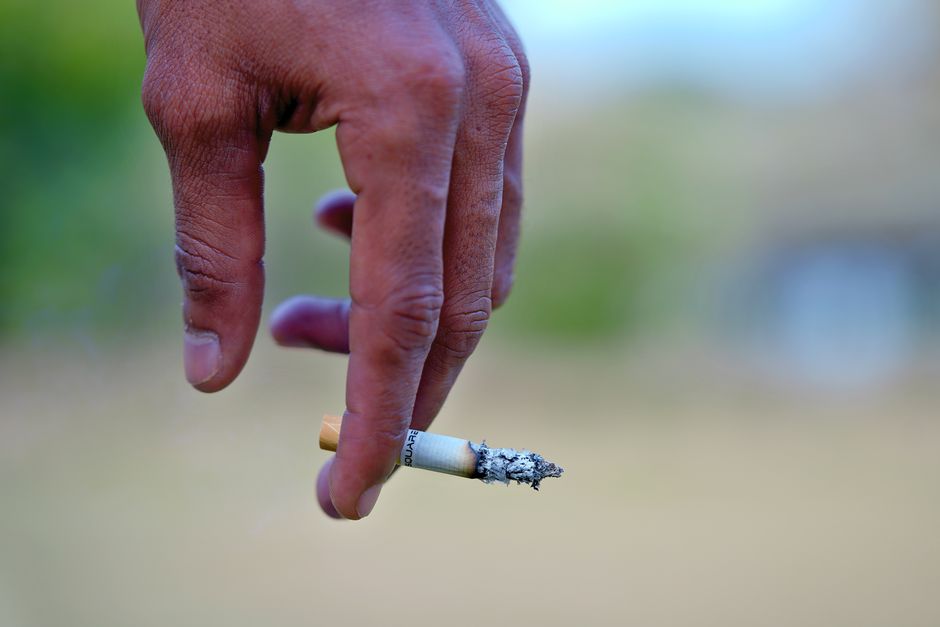
Your lungs are remarkable at cleaning themselves. The moment you stop smoking, they begin a repair process that continues for years. The honest answer to how to clean lungs after smoking is this: nothing you can buy, drink, or breathe in will magically clear them. But your body already has a built-in cleaning system, and there are proven ways to support it. This article covers what the actual science says about lung recovery after smoking — and what popular claims you should ignore.
How Do Lungs Clean Themselves After You Quit Smoking?
Your lungs are not passive organs. They have a built-in cleaning system called the mucociliary escalator. Tiny hair-like structures called cilia line your airways. They beat in a coordinated wave to push mucus — and the trapped particles inside it — up and out of your lungs. Smoking paralyzes and destroys these cilia. That is why smokers cough more: the cilia are damaged and cannot do their job, so the body tries to clear the gunk by force.
When you quit, the cilia slowly recover. The American Lung Association reports that within weeks of quitting, the cilia begin to regrow and function again. This is why many former smokers experience a temporary increase in coughing after quitting. It sounds backward, but it is a sign of healing. The lungs are finally able to push out the accumulated debris they have been holding for years.
This self-cleaning process is the real mechanism. No herb, tea, or supplement can replace it. The best you can do is give your body the conditions it needs to do this work effectively. That starts with complete abstinence from smoking and avoiding secondhand smoke.
What Does Research on Lung Recovery After Smoking Actually Show?
The evidence on lung recovery is clear and comes from large population studies. Research published in the journal Thorax followed former smokers over many years. It found that lung function decline slows to nearly the same rate as a non-smoker within a few years of quitting. For people with mild damage, lung capacity can partially recover. For those with COPD or emphysema, the damage is permanent, but stopping smoking prevents further decline.
A well-known study from the British Doctors Study, which tracked over 40,000 doctors for 50 years, showed that quitting before age 40 reduces the risk of smoking-related death by about 90 percent. Quitting at any age improves survival. The lungs do not “regenerate” in the way a liver might. But the cilia regrow, inflammation decreases, and the risk of lung cancer drops steadily over time.
There is no clinical evidence that any specific food, supplement, or breathing technique accelerates this recovery beyond what happens naturally. That is a hard truth. Many products claim otherwise, but the studies backing them are typically small, poorly designed, or funded by companies selling the product.
Can Exercise Help Clean Your Lungs After Smoking?
Exercise does not scrub your lungs clean. But it does strengthen the muscles that help you breathe, including the diaphragm and intercostal muscles between your ribs. Stronger breathing muscles make each breath more efficient. That means your lungs do not have to work as hard to get oxygen into your blood.
The American Thoracic Society recommends regular aerobic exercise for people recovering from smoking. Walking, swimming, cycling, or jogging for 20 to 30 minutes most days can improve lung capacity over time. A 2018 study in Respiratory Medicine found that moderate exercise improved lung function in former smokers more than in those who remained sedentary.
One practical note: if you have been a heavy smoker for many years, start slow. High-intensity exercise can trigger coughing fits or shortness of breath. That is normal at first. Your lungs are adjusting to the increased airflow and the work of clearing mucus. Over weeks and months, the coughing should decrease as your cilia recover and the debris is cleared.

What About Lung Cleansing Diets, Herbs, and Supplements?
This is where the internet gets dangerous. Claims that certain foods or herbs “detox” your lungs have no basis in clinical research. Your lungs do not work like a colon. They do not flush out toxins through a special diet. The liver and kidneys handle detoxification. The lungs handle gas exchange and mucus clearance.
That said, a healthy diet supports overall recovery. Antioxidants like vitamin C, vitamin E, and beta-carotene may help reduce inflammation in lung tissue. Foods rich in these include berries, leafy greens, carrots, and citrus fruits. A 2019 study published in Nutrients found that higher fruit and vegetable intake was associated with better lung function in former smokers. But this is correlation, not proof that these foods “clean” the lungs.
Some people claim that steam inhalation, essential oils like eucalyptus, or herbal teas like mullein or peppermint help clear the lungs. The evidence for these is weak. Steam can temporarily thin mucus, making it easier to cough up. But it does not remove tar or repair lung tissue. Essential oils can irritate the airways in some people, especially if you have asthma or chemical sensitivity. Be cautious with anything you inhale.
There is no supplement approved by the FDA for lung cleansing. Avoid any product that uses phrases like “clinically proven to clean lungs” or “removes tar.” These are marketing claims, not medical facts.
What Are the Most Effective Ways to Support Lung Recovery?
Based on what the evidence actually shows, here are the steps that matter most:
- Stop smoking completely. This is the single most important step. Every cigarette you do not smoke gives your cilia time to heal.
- Avoid secondhand smoke and air pollution. Your lungs are vulnerable during recovery. Indoor air purifiers with HEPA filters can help if you live in a polluted area.
- Stay well hydrated. Water thins mucus, making it easier for your cilia to move it out. Aim for six to eight glasses per day unless your doctor advises otherwise.
- Use a humidifier in dry environments. Dry air can irritate airways and thicken mucus. Moist air helps keep mucus loose.
- Practice deep breathing exercises. Diaphragmatic breathing — inhaling deeply through your nose so your belly rises, then exhaling slowly through pursed lips — can improve lung efficiency. It is not a cleanse, but it helps maintain lung volume.
- Get vaccinated. The CDC recommends the flu shot and pneumococcal vaccine for former smokers. Respiratory infections hit recovering lungs harder.
There is no shortcut. Your body does the work. Your job is to stop damaging it and give it the basic resources it needs: clean air, water, movement, and time.
Common Misconceptions About Lung Cleansing After Smoking
One of the most persistent myths is that you can “sweat out” toxins from smoking through exercise or saunas. Sweat is mostly water and salt. It does not remove tar, nicotine, or other byproducts of smoking from your lungs. Those substances are cleared through coughing, ciliary action, and metabolic processing in the liver.
Another myth is that lung cleansing requires a special detox program or juice fast. There is no clinical evidence that fasting or juice cleanses improve lung function. In fact, severe calorie restriction can weaken your immune system, making it harder for your body to repair lung tissue. Stick to a balanced diet with adequate protein, which is needed for tissue repair.
A third common claim is that over-the-counter expectorants like guaifenesin (Mucinex) can speed up lung cleaning. These medications thin mucus, which can make coughing more productive. But they do not remove tar or repair damage. They are useful for temporary symptom relief during a cold, not as a long-term lung recovery tool.
Finally, some people believe that if they switch to vaping, they are still “cleaning” their lungs. This is false. Vaping introduces its own set of chemicals into the lungs, including diacetyl and other compounds linked to lung injury. The safest option is to avoid inhaling anything other than clean air.
| Method | What It Does | Evidence Level |
|---|---|---|
| Quitting smoking | Allows cilia to regrow and inflammation to decrease | Strong — multiple large-scale studies |
| Regular aerobic exercise | Improves breathing muscle strength and lung capacity | Strong — clinical trials |
| Hydration and humidity | Thins mucus, eases clearance | Moderate — physiological basis, limited trials |
| Antioxidant-rich diet | May reduce inflammation, supports general health | Moderate — observational studies |
| Steam inhalation | Temporarily thins mucus | Weak — no evidence of long-term benefit |
| Herbal supplements | No proven effect on lung tissue repair | None — no clinical trials |
| Detox diets or cleanses | No effect on lung function | None — no credible evidence |
Frequently Asked Questions
How long does it take for lungs to clean themselves after quitting?
Cilia begin regrowing within weeks, and noticeable improvement in mucus clearance often occurs within one to three months. Full recovery can take years depending on how long and how heavily you smoked.
Can drinking apple cider vinegar clean your lungs?
No. There is no clinical evidence that apple cider vinegar has any effect on lung tissue or mucus clearance. It is not a lung cleanser.
Do breathing exercises help remove tar from lungs?
Breathing exercises improve lung efficiency but do not remove tar. Tar is cleared by the cilia and through coughing, not by deep breathing alone.
Is it normal to cough more after quitting smoking?
Yes. This is a sign that your cilia are recovering and pushing out mucus and debris that had been trapped. It usually decreases over several months.
