
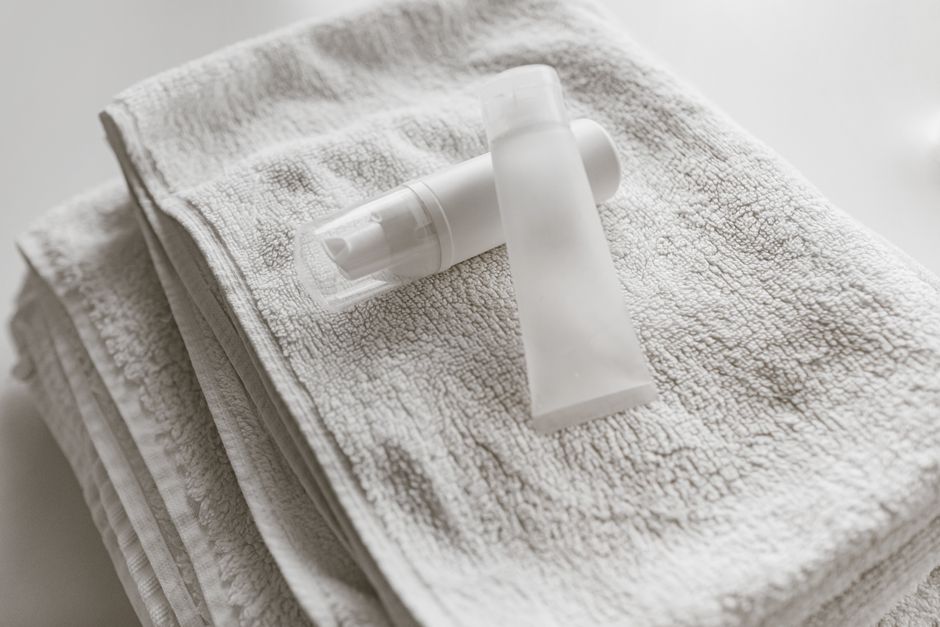
Cleaning your CPAP reservoir is straightforward. Empty the water chamber every morning and let it air dry on a clean towel. Once a week, wash it with warm water and mild dish soap, rinse thoroughly, and let it dry completely before reuse. This routine prevents bacteria and mold from growing in the warm, moist environment of your machine.
Why Is Cleaning Your CPAP Reservoir So Important?
Your CPAP reservoir holds water that gets heated and turned into vapor. This warm, moist environment is a perfect breeding ground for bacteria, mold, and yeast. Research published by the American Academy of Sleep Medicine shows that dirty CPAP equipment can lead to sinus infections, respiratory irritation, and even pneumonia in some cases.
The CDC specifically recommends daily and weekly cleaning for all CPAP equipment. They point out that biofilm — a slimy layer of microorganisms — can form inside the reservoir within days if you skip cleaning. This biofilm is hard to see but can blow directly into your airway while you sleep.
Some people report getting sick more often when they skip cleaning. While individual experiences vary, the microbial growth is well-documented. You cannot see bacteria with the naked eye. A reservoir that looks clean may still harbor harmful organisms.
What Is the Correct Daily Cleaning Routine?
Empty the water chamber every single morning. Do not leave water sitting in it from the night before. Stagnant water grows bacteria faster than fresh water. Rinse the reservoir with warm tap water and shake out any remaining droplets.
Place the reservoir upside down on a clean, dry towel. Let it air dry completely in a spot with good airflow. Direct sunlight helps kill bacteria, so a sunny windowsill is ideal. Do not put the lid back on until the reservoir is bone dry.
Avoid using paper towels or cloths to dry the inside. They can leave lint or fibers behind. These particles can get into the air you breathe. Air drying is the safest method.
Replace the water in your machine with fresh distilled water each night. Tap water contains minerals that leave deposits in the reservoir. These deposits create rough surfaces where bacteria cling more easily.
How To Clean A CPAP Reservoir Weekly Steps
Once a week, wash the reservoir with warm water and mild, fragrance-free dish soap. Do not use antibacterial soaps, bleach, vinegar, or any harsh chemicals. These can damage the plastic and leave residues that irritate your lungs.
Fill the sink or a basin with warm water and add a few drops of soap. Submerge the reservoir and use your hands or a soft cloth to wipe all surfaces. Pay attention to the corners and the heating plate area where mineral deposits often build up.
Rinse the reservoir thoroughly under running warm water. Continue rinsing until no soap bubbles remain. Soap residue can irritate your airway just like chemical residues.
Shake off excess water and place the reservoir on a clean towel to air dry. Make sure it is completely dry before you use it again. If you need to use it sooner, you can use a CPAP-specific cleaning brush to reach tight spots, but air drying is still the most reliable method.
Some people use CPAP wipes for daily maintenance between weekly washes. These are pre-moistened wipes made specifically for CPAP equipment. They are not a replacement for weekly washing but can help reduce bacterial buildup on days you do not do a full clean.
| Step | Daily | Weekly |
|---|---|---|
| Empty water | Every morning | Every morning |
| Rinse | Warm water rinse | Warm water + mild soap |
| Drying method | Air dry on towel | Air dry on towel |
| Time needed | 2 minutes | 10 minutes |
| Supplies | None | Mild dish soap, soft cloth |



What Cleaning Methods Should You Avoid?
Do not put your CPAP reservoir in the dishwasher. The high heat and harsh detergents can warp the plastic and damage the heating element. Many manufacturers explicitly warn against this in their manuals.
Do not use vinegar or bleach for cleaning. Vinegar is widely claimed as a natural disinfectant, but strong evidence for its effectiveness on CPAP equipment is limited. The acetic acid can break down the plastic over time and leave a smell that lingers. Bleach is too harsh and can release toxic fumes if not rinsed completely.
UV light cleaners and ozone cleaners are popular online. Some studies suggest they reduce bacteria on surfaces. However, as of 2026, there is no clinical evidence that these devices are more effective than soap and water for CPAP reservoirs. The FDA has not approved most consumer UV cleaners for this purpose. Stick with soap and water — it works and costs nearly nothing.
Avoid using scented soaps or any product with fragrance. The chemicals in fragrances can irritate your respiratory system. Your CPAP delivers air directly to your lungs, so any residue goes straight in. Unscented, mild dish soap is the safest choice.
How Often Should You Replace Your CPAP Reservoir?
CPAP reservoirs do not last forever. The plastic can develop micro-cracks over time. These cracks trap bacteria and are impossible to clean. Most manufacturers recommend replacing the reservoir every three to six months.
Signs that you need a replacement sooner include visible cracks, cloudy or discolored plastic, a persistent smell even after cleaning, or mineral buildup that will not come off. If you notice any of these, replace the reservoir immediately.
Some insurance plans cover replacement reservoirs on a schedule. Check with your provider. Buying a new reservoir every few months is far cheaper than treating a sinus infection or respiratory problem caused by old, contaminated equipment.
What Happens If You Skip Cleaning?
Skipping cleaning for a few days may not cause immediate problems. But the longer you go, the more bacteria and mold accumulate. Research shows that biofilm can form within 48 hours in a warm, moist reservoir. Once biofilm forms, it is much harder to remove.
Some people report that they never clean their reservoir and feel fine. This is widely claimed in online forums, but strong evidence to support this as safe is lacking. Individual immune systems vary. What does not bother one person may cause a serious infection in another.
Common symptoms of a dirty CPAP include morning congestion, sinus pressure, sore throat, cough, or a bad taste in your mouth. If you experience any of these, check your cleaning routine first. Often, a thorough cleaning resolves the symptoms within a day or two.
Mold in the reservoir is a more serious concern. Black mold can produce mycotoxins that are harmful to breathe. If you see any black, green, or pink spots in your reservoir, replace it immediately. Do not try to clean it. Mold spores are hard to remove completely from porous plastic.
Frequently Asked Questions
Can I use vinegar to clean my CPAP reservoir?
Vinegar is not recommended because it can damage the plastic over time and leave a lingering smell. Warm water and mild dish soap are safer and equally effective.
How long does it take for the CPAP reservoir to air dry?
Most reservoirs dry completely within 2 to 4 hours when placed upside down on a clean towel in a well-ventilated area. Direct sunlight speeds up the process.
Do I need to use distilled water in my CPAP machine?
Yes, distilled water is recommended because it contains no minerals that leave deposits. Tap water causes buildup that can harbor bacteria and shorten the life of your reservoir.
Can I clean my CPAP reservoir in the dishwasher?
No, the high heat and harsh detergents in dishwashers can warp the plastic and damage the heating element. Hand washing with mild soap is the only safe method.
