
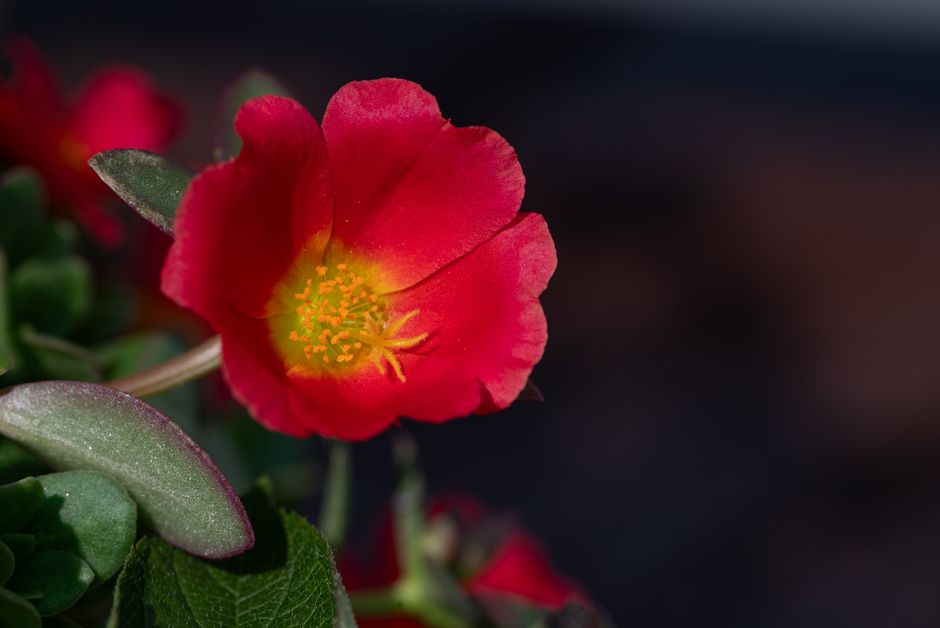
Purslane is a nutritious weed that grows in many gardens and yards. It has a mild lemony flavor and a slightly crunchy texture. To keep it through winter, freeze drying and pickling are two of the best methods. Freeze drying removes moisture while preserving nutrients and taste. Pickling uses vinegar and salt to prevent spoilage and adds a tangy flavor. Both methods work well and give you options for using purslane in cold weather meals.
Why Preserve Purslane for Winter?
Purslane is one of the few plant sources rich in omega-3 fatty acids. It also contains vitamin C, vitamin A, magnesium, and potassium. Fresh purslane is available only in warm months. Preserving it lets you enjoy these nutrients year-round.
Freeze drying and pickling both stop the natural decay process. They prevent mold, bacteria, and spoilage. Each method changes the texture and flavor a little. Knowing how each one works helps you choose what fits your cooking style.
What Is the Best Way to Freeze Dry Purslane?
Freeze drying preserves more nutrients than most other methods. The process removes water while the food stays frozen. This keeps the cell structure intact and the flavor close to fresh.
To freeze dry purslane at home, you need a home freeze dryer. These machines are expensive but effective. If you do not own one, you can buy freeze-dried purslane from specialty sellers. The steps are straightforward:
- Wash the purslane thoroughly. Remove roots and any yellow leaves.
- Pat the leaves and stems dry with a clean towel.
- Spread them in a single layer on the freeze dryer trays.
- Run the freeze dryer cycle according to the manufacturer’s instructions. For purslane, the full cycle usually takes 20 to 30 hours.
- Store the dried purslane in airtight containers with oxygen absorbers. Mason jars with vacuum lids also work well.
Properly freeze-dried purslane can last for years if kept in a cool, dark place. It rehydrates quickly in soups, stews, or salads. You can also crush it into a powder and add it to smoothies or baked goods.
How to Pickle Purslane for Long-Term Storage
Pickling preserves purslane by immersing it in an acidic brine. The acid prevents harmful bacteria from growing. This method changes the texture — pickled purslane stays crisp but becomes softer than fresh. The flavor becomes tangy and slightly salty.
Here is a basic pickling method that follows standard food preservation guidelines:
- Wash and trim the purslane. Cut into pieces about 2 inches long if you prefer smaller bits.
- Prepare a brine: combine 1 cup white vinegar, 1 cup water, and 1 tablespoon pickling salt. Bring to a boil. Add spices like garlic, dill, peppercorns, or mustard seeds if you like.
- Pack the purslane into clean glass jars. Pour the hot brine over it, leaving about ½ inch of headspace.
- Wipe the jar rims clean. Seal with lids and bands.
- Process the jars in a boiling water bath for 10 minutes (adjust for altitude if needed). This step is important for shelf stability.
- Let the jars cool. Check that the lids are sealed. Store in a cool, dark pantry.
Pickled purslane is ready to eat after a week of sitting. It keeps for up to one year. Once opened, refrigerate and use within a few weeks. You can skip the water bath processing for refrigerator pickles, but those must be kept chilled and used within a month.
Can You Freeze Purslane Instead of Freeze Drying?
Freezing is simpler and cheaper than freeze drying, but the texture changes. Purslane has a high water content. When frozen and thawed, the cell walls break and the leaves become mushy. This is fine for soups and sauces, but not for salads or fresh use.
To freeze purslane:
- Blanch the washed leaves and stems in boiling water for 30 seconds. Then plunge into ice water. This stops enzyme activity that causes flavor loss.
- Drain well and pack into freezer bags. Squeeze out as much air as possible.
- Label and freeze. Use within six months for best quality.
Frozen purslane works well in cooked dishes. It does not replace fresh texture, but the nutrition holds up reasonably well. Freeze drying is superior for long-term storage and quality, but freezing is accessible to most people without special equipment.
How to Store Dried or Pickled Purslane
Both freeze-dried and pickled purslane need proper storage to stay safe and tasty. For freeze-dried purslane, use vacuum-sealed bags or mason jars with oxygen absorbers. Keep them in a dark pantry or cupboard. Light, heat, and moisture reduce shelf life. Check periodically for signs of rehydration — if the material softens, it has absorbed moisture and should be used quickly.
For pickled purslane, store sealed jars in a cool, dark place. A basement or pantry works well. Avoid areas that get direct sunlight or temperature swings. Once opened, refrigerate. Do not eat pickled purslane if the seal is broken, the liquid is cloudy, or there is mold. When stored correctly, pickled purslane keeps for up to one year.
Tips for Using Preserved Purslane in Winter Meals
Freeze-dried purslane rehydrates in warm liquid almost instantly. Add it to soups, stews, rice dishes, or pasta near the end of cooking. You can also grind it into a powder and sprinkle it into smoothies, omelets, or salad dressings for a nutrient boost.
Pickled purslane works as a tangy side dish or topping. Chop it into salads, grain bowls, or tacos. It pairs well with eggs, cheese, and roasted vegetables. The brine can also be used in salad dressings or to drizzle over roasted meats.
Combining both methods gives you variety. Use freeze-dried purslane for savory cooking where you want a mild flavor. Use pickled purslane when you want acidity and crunch.
Frequently Asked Questions
How long does freeze-dried purslane last?
Properly stored freeze-dried purslane can last 2 to 3 years or longer. Keeping it in airtight containers with oxygen absorbers and away from light and heat maximizes shelf life.
Can I pickle purslane without vinegar?
No, vinegar is needed for safe pickling. The acidity prevents the growth of harmful bacteria. Substituting with plain water creates an unsafe environment for long-term storage.
Does pickling destroy nutrients in purslane?
Some vitamin C and B vitamins are lost during the heating and brining process. However, minerals and omega-3s remain largely intact. Pickled purslane still provides nutritional value, especially fiber and antioxidants.
Can I freeze purslane raw?
You can freeze it raw, but the texture will be very watery and soft after thawing. Blanching before freezing reduces enzyme activity and improves quality. For best results, use raw frozen purslane only in cooked dishes.
