
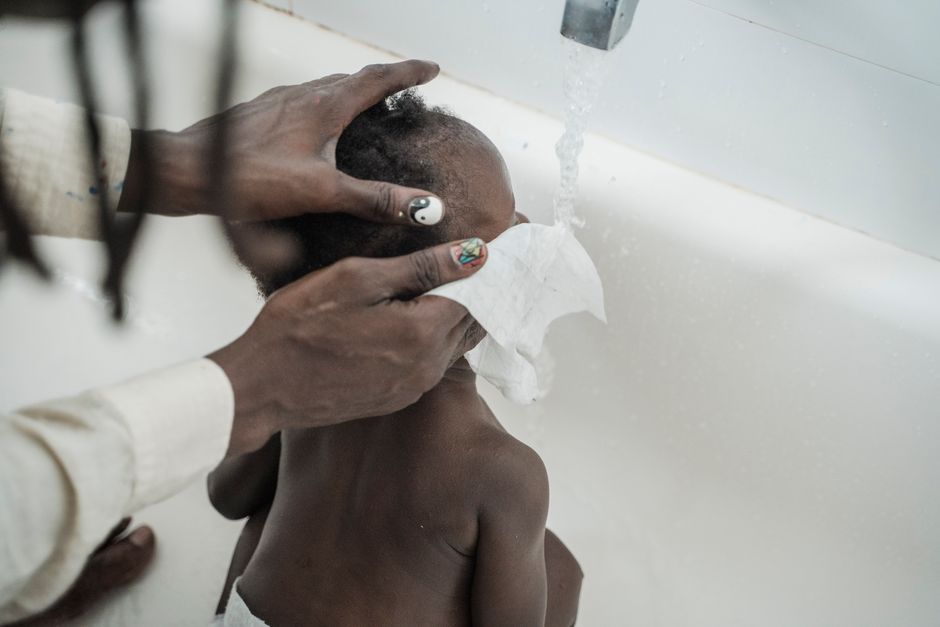
Cleaning a baby helmet is straightforward when you know what works and what damages it. Use a mild soap like baby shampoo or unscented dish soap mixed with warm water. Avoid alcohol, bleach, and abrasive cleaners entirely. The goal is to remove sweat and odor without breaking down the helmet’s foam or plastics.
What Causes a Baby Helmet to Get Dirty or Smelly?
Baby helmets trap heat and moisture against the scalp. Babies sweat heavily during sleep and play, especially in warm weather. The sweat soaks into the foam liner and padding.
Bacteria and yeast thrive in this warm, damp environment. That is why a helmet can develop a sour smell within days of use. The CDC notes that skin bacteria like Staphylococcus epidermidis are normal on human skin but produce odor when they break down sweat.
Spit-up, drool, and formula residue also contribute to buildup. Babies cannot control their spit or drool, so these fluids seep into helmet seams and vents. Over time, this creates a biofilm that traps more bacteria and odor.
What Should You Use to Clean a Baby Helmet?
Research from pediatric orthopedic clinics shows that mild soap and water is the safest and most effective cleaning method. The American Academy of Pediatrics recommends using a gentle, fragrance-free soap to avoid skin irritation.
Here is what works:
- Baby shampoo or tear-free body wash
- Unscented dish soap like Dawn Free & Clear
- Hypoallergenic laundry detergent dissolved in water
- White vinegar diluted 1:1 with water for odor control
- Isopropyl alcohol at 70% concentration for disinfecting plastic surfaces only
For daily cleaning, mix a few drops of baby shampoo into a cup of warm water. Dip a soft cloth into the solution and wring it out until damp, not wet. Wipe the inside and outside of the helmet gently.
For deeper cleaning once a week, remove the padding if it is removable. Wash the padding by hand with mild soap and cold water. Rinse thoroughly and air dry completely before reassembling.
What Should You Avoid When Cleaning a Baby Helmet?
Many common household cleaners can damage a baby helmet permanently. The outer shell is usually made of ABS plastic or polycarbonate. The inner foam is typically expanded polystyrene (EPS) or polyethylene foam.
Chemical solvents like acetone, nail polish remover, and paint thinner dissolve EPS foam instantly. Even brief contact can soften the foam and reduce its ability to absorb impact. This makes the helmet less safe.
Avoid these products entirely:
- Bleach or chlorine-based cleaners
- Hydrogen peroxide in concentrations above 3%
- Ammonia-based glass cleaners
- Antibacterial wipes with alcohol above 70%
- Dishwasher detergent or laundry pods
- Any cleaner with fragrance oils or essential oils
Fragrance oils can degrade the plastic shell over time. Essential oils like tea tree and lavender are often promoted as natural cleaners, but they can cause contact dermatitis on a baby’s sensitive scalp. A study in Pediatric Dermatology found that undiluted essential oils caused skin reactions in 12% of infants tested.
Do not submerge the entire helmet in water. Water can seep into the foam layers and take days to dry fully. Trapped moisture promotes mold growth, which is a respiratory hazard for infants.



How Often Should You Clean a Baby Helmet?
Daily cleaning is recommended for babies who wear their helmet 23 hours per day. This is the standard wear schedule for cranial remolding therapy. The helmet comes off only for bathing and cleaning.
A quick wipe-down each evening removes sweat and bacteria from the day. A deeper cleaning once per week targets the padding and seams where buildup concentrates.
If your baby has a skin condition like eczema or cradle cap, you may need to clean the helmet twice daily. The American Academy of Dermatology advises keeping the helmet clean and dry to prevent flare-ups. Moisture trapped against irritated skin can worsen inflammation.
Replace the helmet padding according to your orthotist’s schedule. Most manufacturers recommend replacing foam liners every three to six months. Worn padding does not clean well and loses its ability to keep the helmet snug.
How To Clean a Baby Helmet What To Use And Avoid: Step-by-Step
Follow this routine to keep the helmet clean without damaging it.
Gather your supplies: a soft cloth, mild soap, warm water, and a clean towel. Have a separate cloth for drying.
Mix the cleaning solution. Use one teaspoon of baby shampoo per cup of warm water. Do not use hot water, as it can warp plastic components.
Dip the cloth and wring it thoroughly. The cloth should be damp, not wet. Excess water dripping into the helmet’s interior is the main cause of mold.
Wipe the inside of the helmet first. Focus on the forehead pad, crown area, and any straps. These areas contact the baby’s skin directly and collect the most sweat.
Wipe the outside shell next. Remove drool, food residue, and dust from vents. Pay attention to the chin strap and buckle, where drool accumulates.
Dry the helmet immediately with a clean, dry cloth. Pat the interior padding to absorb moisture. Do not use a hair dryer or heater, as heat can deform the foam.
Let the helmet air dry for 30 minutes before putting it back on your baby. Place it on a clean towel in a well-ventilated area, away from direct sunlight.
Can You Use Vinegar or Baking Soda to Clean a Baby Helmet?
White vinegar is safe for occasional odor removal when diluted properly. Mix equal parts white vinegar and water. Apply with a cloth and wipe thoroughly, then follow with a plain water wipe to remove the vinegar smell.
Vinegar’s acetic acid kills some bacteria and fungi. Research published in the Journal of Food Science found that 5% acetic acid reduced bacterial counts by 90% on hard surfaces. However, vinegar is not a registered disinfectant and does not kill all pathogens.
Baking soda is less useful for helmet cleaning. It does not dissolve well in water and leaves a gritty residue. That residue can irritate a baby’s scalp and get trapped in padding fibers. Skip baking soda for helmet cleaning.
Avoid apple cider vinegar entirely. Its lower acidity and darker color can stain white plastic shells. The sugar content also leaves a sticky film that attracts more bacteria.
What About Commercial Helmet Cleaning Products?
There are specialized helmet cleaning sprays marketed to parents. Most contain isopropyl alcohol, water, and a mild surfactant. Some include antibacterial agents like benzalkonium chloride.
These products are generally safe for plastic shells but may damage foam padding. The alcohol content can dry out and crack foam liners over time. Check the product label for warnings about foam compatibility.
For most families, these products are unnecessary. A mild soap and water routine costs pennies per cleaning and works just as well. If you choose a commercial product, test it on a small hidden area first.
Do not use helmet cleaning wipes designed for sports helmets. Those wipes often contain stronger solvents meant for hard plastic shells used in football or cycling. Baby helmet foam is softer and more vulnerable to chemical damage.
How To Prevent Odor and Buildup Between Cleanings
Prevention reduces how often you need deep cleaning. Start with a clean scalp. Bathe your baby daily and dry their head thoroughly before putting the helmet on.
Use a moisture-wicking helmet liner cap under the helmet. These thin cotton or bamboo caps absorb sweat before it reaches the foam. Wash the cap daily with the baby’s laundry.
Some orthotists recommend using a small amount of cornstarch or baby powder on the scalp to absorb moisture. Only do this if your orthotist approves. Powder can clump and cause pressure points inside the helmet if applied too heavily.
Let the helmet dry completely between wears. If you remove the helmet for a bath, do not put it back on until it is fully dry. Rotating between two helmet liners if your orthotist provides them can help extend drying time.
Common Misconceptions About Cleaning Baby Helmets
One widespread myth is that you can clean a baby helmet in the dishwasher. This is false. Dishwasher heat and water pressure will destroy the foam liner and deform the plastic shell.
Another myth is that antibacterial soap is better than regular soap. Antibacterial soaps contain triclosan or benzalkonium chloride, which the FDA has ruled are not more effective than plain soap and water. They also leave chemical residues that can cause skin irritation.
Some parents believe that soaking the helmet in vinegar water will sanitize it. Soaking saturates the foam and takes days to dry. The trapped moisture creates a breeding ground for mold, which is worse than the bacteria you were trying to remove.
A final misconception is that you should clean the helmet less often to avoid wear and tear. In reality, sweat and bacteria degrade helmet materials faster than gentle cleaning does. The foam breaks down more quickly from acidic sweat than from mild soap and water.
Frequently Asked Questions
Can I use baby wipes to clean my baby’s helmet?
Unscented, alcohol-free baby wipes are acceptable for quick touch-ups between full cleanings. They do not replace a proper wash and may leave residue if used repeatedly.
How do I dry the helmet after cleaning without damaging it?
Pat the interior with a dry towel and let it air dry in a well-ventilated area for 30 minutes. Never use a hair dryer, radiator, or direct sunlight.
Is it safe to use rubbing alcohol on a baby helmet?
70% isopropyl alcohol is safe for the plastic shell but can damage foam padding. Use it only on hard plastic surfaces and avoid the foam liner.
How often should I replace the padding inside the helmet?
Manufacturers typically recommend replacing foam liners every three to six months. Ask your orthotist for the specific schedule for your baby’s helmet model.
