
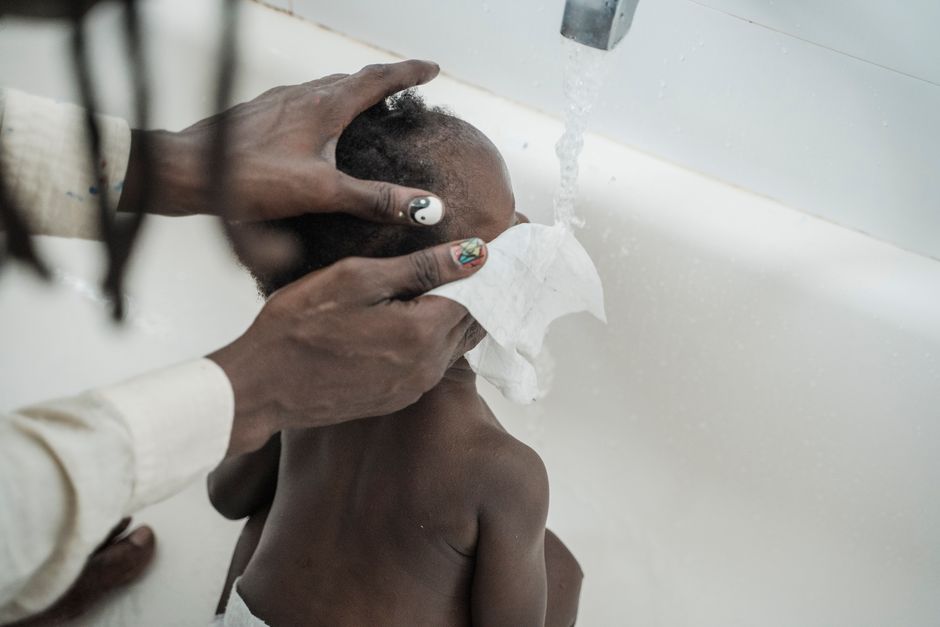
The short answer is you should not clean inside your baby’s ears. Earwax is there for a reason. It traps dust and slows the growth of bacteria. Trying to remove it with a cotton swab or anything smaller than your finger can push wax deeper, damage the ear canal, or even puncture the eardrum. The only safe cleaning is wiping the outer ear with a soft, damp washcloth. That is it. No drops, no tools, no digging.
Why Is Cleaning Inside a Baby’s Ear Dangerous?
The ear canal of a baby is short and narrow. The skin inside is thin and delicate. Even a small amount of pressure from a cotton swab can cause a scratch. A scratch can lead to an infection. If the swab goes too far, it can hit the eardrum. A ruptured eardrum in an infant is painful and can cause hearing problems.
Research shows that most ear injuries in children under three years old happen during at-home cleaning attempts. A 2017 study in the Journal of Pediatrics found that over 260,000 children visited U.S. emergency rooms for ear-related injuries from cotton swabs between 1990 and 2010. Most of those injuries happened when a parent was trying to clean the ear. The message is clear: the risk is real and the reward is zero.
Some parents worry about seeing earwax. They think it means the ear is dirty. But earwax is not dirt. It is a natural protective substance. The ear has a self-cleaning mechanism. Old wax slowly moves from the eardrum to the ear opening, where it dries and falls out on its own. Your baby’s ear is cleaning itself better than you can.
What Does Research Say About Baby Ear Cleaning?
Current research suggests that earwax removal should only happen when there is a medical problem. A doctor might need to remove wax if it blocks the ear canal enough to cause hearing loss, pain, or trouble with ear exams. But that is rare in infants.
A 2020 clinical review in American Family Physician stated that routine ear cleaning is not recommended. The review noted that earwax impaction — where wax builds up and causes problems — is more likely caused by people trying to clean their ears than by not cleaning them. When you push a swab in, you pack the wax deeper. Over time, it hardens and blocks the canal.
Some products claim to safely dissolve earwax. These include over-the-counter drops with carbamide peroxide or mineral oil. But there is no strong evidence that these are safe for babies. The American Academy of Otolaryngology advises against using any ear drops or irrigation in infants unless a doctor prescribes it. The baby’s ear canal is too sensitive for chemicals or water pressure.
How To Clean Inside Baby Ears Safely And Gently — What Actually Works
The only safe method is cleaning the outer ear. Here is the step-by-step approach that pediatricians recommend:
- Use a soft, damp washcloth. Warm water only. No soap inside the ear.
- Wipe the outer ear — the part you can see. That includes the folds and behind the ear.
- Do not insert the cloth into the ear canal. Just wipe the visible surface.
- Dry the outer ear with a clean, dry towel afterward.
That is all you need. If you see wax at the very opening of the ear canal, you can gently wipe it away with the corner of the washcloth. But do not push it in. Just catch the wax that is already exiting on its own.
Some parents wonder about using a bulb syringe or earwax removal tool. Do not use them. Even tools designed for adults are too large and too risky for a baby. The baby’s ear canal is only about 2.5 centimeters long at birth. That is less than an inch. A tool meant for an adult ear can easily go too deep.





What Are the Signs of a Real Ear Problem?
Sometimes a baby needs medical attention for their ears. The problem is almost never too much wax. More often it is an infection or fluid buildup. Here are the signs that something is wrong:
| Symptom | Likely Cause | What To Do |
|---|---|---|
| Pulling or tugging at the ear | Possible ear infection | See a pediatrician |
| Fever over 100.4°F with ear pain | Possible middle ear infection | See a pediatrician |
| Fluid draining from the ear | Possible ruptured eardrum or infection | See a pediatrician immediately |
| Fussiness during feeding or lying down | Pressure changes from fluid in ear | See a pediatrician |
| Visible object stuck in ear canal | Foreign body | Do not remove it yourself. See a doctor. |
If you see any of these signs, do not try to clean the ear. Take your baby to a doctor. The doctor has special tools to look inside the ear safely. They can tell you if there is a blockage, an infection, or something else going on.
One thing parents often miss: a baby who is teething may also pull at their ears. The pain from gums can radiate to the ear. If your baby has no fever and is otherwise acting fine, teething is a more likely cause than an ear problem. But if you are unsure, a quick check by a pediatrician is always better than guessing.
Common Misconceptions About Baby Ear Cleaning
There are several myths that keep circulating online. Let me clear them up.
Myth: Ear candling removes wax. This is false. Ear candling involves placing a hollow candle in the ear and lighting it. Research shows it does not remove wax. It can cause burns, ear canal blockages, and even punctured eardrums. The American Academy of Otolaryngology warns against it. As of 2026, there is no clinical evidence that ear candling works for anyone, including babies.
Myth: Olive oil drops are safe for baby ears. Some people report that olive oil softens wax. But there is no strong evidence that it works better than doing nothing. More importantly, putting any oil in a baby’s ear can trap bacteria or cause irritation. If the eardrum has a tiny tear you cannot see, oil can enter the middle ear and cause infection. Stick to the washcloth.
Myth: A wet ear after bath means water is trapped. A baby’s ear canal is self-draining. Tilting the head to the side for a few seconds usually lets any water run out. Do not use cotton swabs to dry the ear. Just pat the outer ear with a towel. If your baby seems uncomfortable after baths, try a few drops of a 50-50 mix of rubbing alcohol and white vinegar — but only if your pediatrician says it is okay. For most babies, it is not needed.
Myth: If I do not clean the ears, my baby will get infections. This is backwards. Cleaning too aggressively is what causes infections. The ear canal has a thin layer of skin that is easily damaged. When you scratch it, bacteria can get in. That leads to swimmer’s ear, which is an outer ear infection. It is painful and requires antibiotic ear drops. Leave the wax alone and you reduce the risk.
What To Avoid At All Costs
Here is a list of things that should never go near a baby’s ear:
- Cotton swabs (Q-tips)
- Bobby pins, paper clips, or any pointed object
- Ear candles
- Over-the-counter earwax removal drops (unless prescribed)
- Bulb syringes or ear irrigation kits
- Fingernails — even your own finger can push wax deeper
If you have been using cotton swabs on your baby, stop now. It is not too late. The ear usually heals on its own if no serious damage has been done. But if you notice any bleeding, discharge, or your baby seems in pain, see a doctor right away.
One more thing: do not use hydrogen peroxide. Some adults use it for earwax. But hydrogen peroxide can irritate the delicate skin in a baby’s ear. It can also cause bubbles that trap debris deeper. Stick to the washcloth method. It is boring, but it is safe.
Frequently Asked Questions
Can I use baby oil to clean my baby’s ears?
No. Baby oil is not recommended for ear cleaning. It can irritate the ear canal or trap bacteria.
How often should I clean my baby’s ears?
Only clean the outer ear during bath time with a washcloth. You do not need to do it more than a few times a week.
What if I see a lot of wax in my baby’s ear?
Leave it alone unless it is causing discomfort. The ear pushes old wax out on its own. If you are worried, ask your pediatrician.
Is it safe to use a cotton swab just at the ear opening?
No. Even at the opening, a swab can push wax deeper. Use only a washcloth on the outer ear.
