
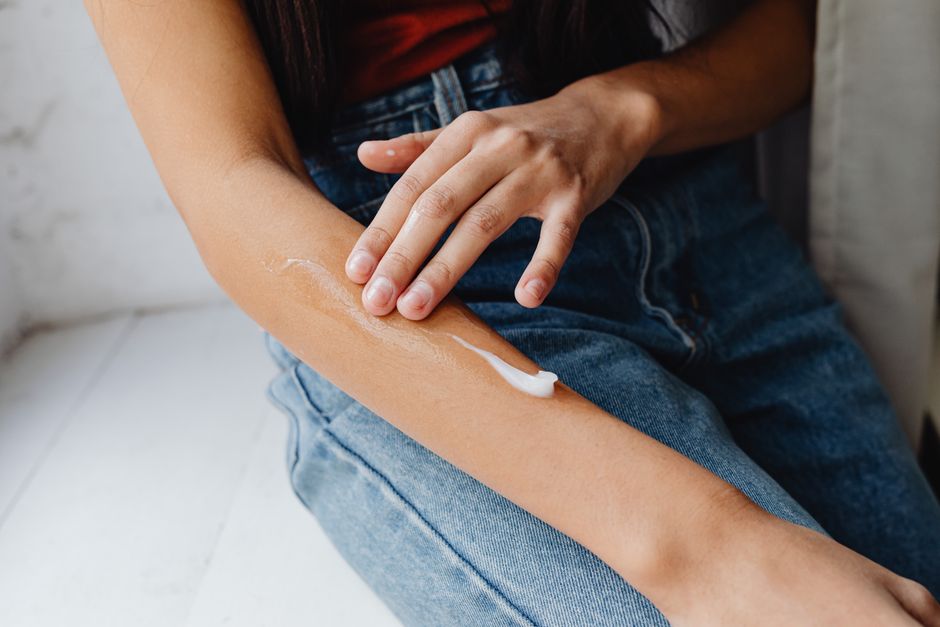
Sensitive skin is not a medical diagnosis. It is a condition where your skin reacts more easily to things that usually do not bother other people. You might feel stinging, burning, itching, or see redness and dryness. The good news is that most people can manage their symptoms with a consistent, gentle routine and by learning what their specific triggers are. The core strategy is simple: protect the skin barrier, avoid known irritants, and introduce new products slowly and carefully.
What Causes Sensitive Skin?
Sensitive skin happens when your skin’s outer layer, called the stratum corneum, is weakened. This layer acts as a barrier. It keeps moisture in and irritants out. When it is damaged, water escapes and triggers can get in. This leads to inflammation and the symptoms you feel.
Some people are born with a thinner barrier. Others damage it over time with harsh soaps, hot water, or over-exfoliating. Underlying conditions like eczema or rosacea can also make skin more reactive. In many cases, the cause is a combination of genetics and environment.
Your skin barrier is made of lipids, or fats, that hold skin cells together. When these lipids are stripped away, the barrier breaks down. This is why harsh cleansers that leave your skin feeling “squeaky clean” are so damaging. That feeling means your natural oils are gone.
What Are the Most Common Irritants to Avoid?
Identifying your triggers is the first step to managing sensitive skin. The most common culprits are found in everyday products. Fragrance is the number one offender. It is a mixture of hundreds of chemicals, and it is a leading cause of allergic contact dermatitis. This includes both synthetic fragrances and many natural essential oils.
Other common irritants include:
- Alcohol, which dries out the skin and strips its barrier.
- Sulfates, like sodium lauryl sulfate, which are harsh detergents.
- Preservatives such as methylisothiazolinone, which can cause reactions.
- Physical exfoliants like crushed nutshells or salt crystals.
- Wool and other rough fabrics that rub against the skin.
- Hot water, which removes natural oils quickly.
Pay attention to how your skin reacts to laundry detergent, fabric softeners, and even sunscreen. These are common hidden sources of irritation. If you suspect a product is causing problems, stop using it for two weeks to see if your skin improves.
How to Care for Sensitive Skin with a Simple Routine
Care for sensitive skin by simplifying your routine. Fewer products mean fewer chances for irritation. A basic routine has three steps: a gentle cleanser, a moisturizer, and sunscreen during the day. That is it. You do not need toners, essences, or serums to start.
Choose a cleanser that is labeled “fragrance-free” and “for sensitive skin.” Look for cream or lotion cleansers rather than foaming ones. Foaming cleansers often contain stronger detergents. Wash your face with lukewarm water for no more than 60 seconds. Pat your skin dry with a clean towel. Never rub.
Apply moisturizer immediately after washing, while your skin is still slightly damp. This traps water in the skin. Look for ingredients like ceramides, glycerin, and squalane. These help rebuild the barrier. Avoid products with added botanical extracts, which can be irritating even if they seem natural.
Introduce only one new product at a time. Use it for at least two weeks before adding anything else. This way, if you have a reaction, you know exactly what caused it. When you do try a new product, test it on a small patch of skin behind your ear or on your inner arm for a few days first.





Do You Really Need a Separate Moisturizer and Sunscreen?
Yes. Moisturizer and sunscreen do different jobs. Moisturizer repairs the barrier and holds water in. Sunscreen protects against UV damage, which accelerates aging and worsens sensitivity. They are not interchangeable.
Many moisturizers contain sunscreen, but they often do not provide enough protection. You need a sunscreen with an SPF of 30 or higher for daily use. Mineral sunscreens with zinc oxide or titanium dioxide are often better tolerated by sensitive skin than chemical sunscreens. They sit on top of the skin rather than being absorbed.
Apply moisturizer first, then sunscreen. Wait a few minutes between them so each can absorb. If you are using a separate sunscreen, look for one labeled “mineral” or “physical.” These are less likely to cause stinging or burning.
Reapplication is important, but it is also difficult when you have sensitive skin. Reapplying sunscreen over makeup or after sweating can cause buildup and irritation. For most people, applying sunscreen once in the morning is better than not wearing it at all. If you spend extended time outdoors, try a sunscreen stick for easier reapplication.
What Ingredients Actually Help Sensitive Skin?
Some ingredients have strong evidence for repairing a damaged skin barrier. Ceramides are the most important. They are lipids that occur naturally in your skin. Replacing them helps restore the barrier and reduce water loss. Look for a moisturizer that lists ceramides near the top of the ingredient list.
Niacinamide is another well-studied ingredient. It is a form of vitamin B3 that helps strengthen the skin barrier and reduce inflammation. It is generally well tolerated, though a small percentage of people experience flushing. Start with a low concentration, around 2 to 5 percent.
Glycerin is a humectant. It draws water into the outer layer of skin. It is safe, effective, and rarely causes irritation. Panthenol, a form of vitamin B5, also helps soothe and hydrate. These ingredients are good choices because they are simple and have a low risk of causing a reaction.
Be cautious with active ingredients like retinoids, alpha-hydroxy acids, and vitamin C. These can be effective, but they are potent and can worsen sensitivity. If you want to use them, start with a very low concentration and use them only a few times a week. If your skin stings or burns, stop using them.
Does Diet Affect Sensitive Skin?
What you eat can influence skin inflammation, but the evidence is not as strong as some sources claim. Some studies suggest that a diet high in processed foods and sugar may worsen inflammatory skin conditions. There is no evidence that any single food causes sensitive skin.
Spicy foods and alcohol can trigger flushing in people with rosacea, which is often confused with sensitive skin. If you notice your skin flushes after certain meals, it is reasonable to limit those foods. But do not expect diet changes to cure your sensitivity.
Staying hydrated is important for overall health, but drinking more water does not directly hydrate your skin. The water you drink goes to your internal organs first. Moisturizers are the only effective way to add water to the outer layer of skin.
When Should You See a Dermatologist?
If your skin is consistently painful, peeling, or blistering, see a dermatologist. These symptoms may indicate a condition that needs medical treatment, like eczema, rosacea, or contact dermatitis. A dermatologist can also perform patch testing to identify specific allergens.
Patch testing involves placing small amounts of potential allergens on your back for 48 hours. It can identify exactly which ingredients you are allergic to. This is useful if you have tried removing common irritants without improvement.
Your doctor may prescribe topical medications to reduce inflammation. These are different from over-the-counter products and should be used under medical supervision. Do not use prescription-strength creams without a diagnosis, as some contain steroids that can thin the skin with long-term use.
You should also see a doctor if you develop signs of infection, such as yellow crusting, oozing, or increasing pain. These are not normal symptoms of sensitive skin. They require prompt medical attention.
What Is the Difference Between Sensitive Skin and an Allergy?
Sensitive skin is a general term for skin that reacts easily. An allergy is a specific immune system response to a particular substance. They can feel the same, but they are different processes.
Irritant contact dermatitis is the most common type of reaction. It happens when a substance damages the skin barrier directly. It does not involve the immune system. The reaction is usually immediate and limited to the area of contact.
Allergic contact dermatitis is a true allergy. It requires prior exposure to the allergen. The first time you use a product, your immune system learns to recognize it. The second time, it mounts an attack. This is why you can use a product for years and suddenly develop a reaction to it.
Both types of reactions look similar: redness, itching, and sometimes small blisters. The treatment is the same for both: stop using the offending product and let the skin heal. If you have a severe reaction or swelling, seek medical care.
Frequently Asked Questions
How often should I wash my face if I have sensitive skin?
Wash your face once a day in the evening with a gentle cleanser. In the morning, just rinse with lukewarm water and apply moisturizer.
Can I use natural or organic products if I have sensitive skin?
Natural ingredients are not automatically safer for sensitive skin. Many plant extracts and essential oils are common allergens. Fragrance-free products, whether natural or synthetic, are usually the safest choice.
How long does it take for sensitive skin to heal?
With a consistent gentle routine, most people see improvement in two to four weeks. A fully repaired skin barrier can take several months, depending on how much damage was done.
Is it safe to exfoliate sensitive skin?
Exfoliating is not necessary for sensitive skin and can make symptoms worse. If you choose to exfoliate, use a gentle chemical exfoliant like lactic acid once a week at most. Avoid physical scrubs entirely.
