
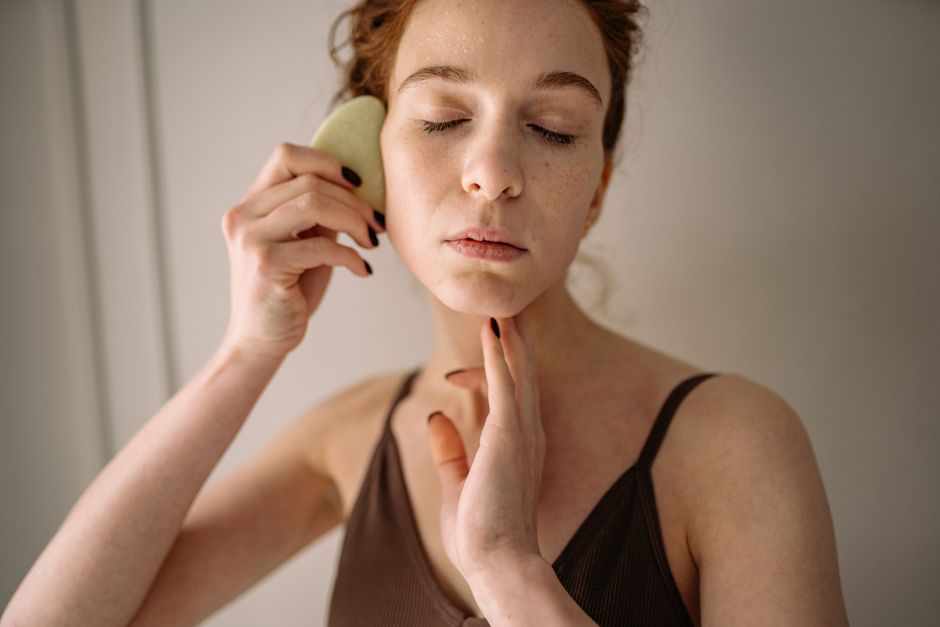
Taking care of your face skin starts with the basics: gentle cleansing, daily sun protection, and consistent moisturizing. These three steps form the foundation of any effective skincare routine, regardless of your age or skin type. Beyond that, the best approach is a simple one—protect your skin barrier, avoid harsh products, and give your skin time to adapt to any changes you make.
What Is the Most Important Step for Face Skin?
Sun protection is the single most important thing you can do for your facial skin. Research consistently shows that exposure to ultraviolet (UV) radiation causes the vast majority of visible skin aging, including wrinkles, dark spots, and loss of elasticity. It also raises your risk of skin cancer, including on the face.
Use a broad-spectrum sunscreen with an SPF of 30 or higher every day. Apply it to your face, neck, and ears as the last step of your morning routine. Even on cloudy days or when you are indoors near windows, UV rays can reach your skin. Make it a habit, like brushing your teeth—non-negotiable and daily.
How Should I Cleanse My Face Without Damaging It?
Cleansing removes dirt, oil, sweat, and pollution that accumulate on your skin throughout the day. But over-washing or using harsh cleansers strips away natural oils and disrupts your skin barrier. A damaged barrier leads to dryness, redness, and increased sensitivity.
Wash your face twice a day—once in the morning and once before bed. Use lukewarm water, not hot. Choose a gentle, fragrance-free cleanser that matches your skin type. If you have dry skin, look for a cream or lotion cleanser. If you have oily skin, a foaming or gel cleanser may work better. After washing, pat your face dry with a clean towel. Do not rub.
Why Is Moisturizer Necessary for Every Skin Type?
Moisturizer traps water in your skin and helps maintain a healthy barrier. Even people with oily skin need moisture. When your skin is dehydrated, it can actually produce more oil to compensate, leading to breakouts.
Apply moisturizer while your skin is still slightly damp after cleansing. This helps lock in hydration. For daytime, use a moisturizer with SPF or layer sunscreen over it. For nighttime, a slightly richer formula can support your skin’s natural repair process while you sleep. Look for ingredients like ceramides, glycerin, and hyaluronic acid, which are well-studied humectants and barrier-supporting compounds.





What Ingredients Actually Work for Face Skin?
Many skincare products make bold claims. Few ingredients have strong clinical evidence behind them. The ones that do are worth knowing.
- Retinoids (vitamin A derivatives): These are the gold standard for anti-aging. Prescription tretinoin and over-the-counter retinol both stimulate collagen production and speed up cell turnover. They can reduce fine lines and improve skin texture. Start with a low concentration and use it only at night.
- Vitamin C (ascorbic acid): This antioxidant neutralizes free radicals from UV exposure and pollution. It can brighten skin and help fade dark spots. Use it in the morning under sunscreen.
- Niacinamide (vitamin B3): This ingredient strengthens the skin barrier, reduces redness, and can help manage oil production. It is well-tolerated by most skin types.
- Alpha hydroxy acids (AHAs) like glycolic acid: These gently exfoliate the top layer of dead skin cells. They can improve dullness and fine lines. Use them only a few times per week, not daily.
Introduce one new active ingredient at a time. Give your skin at least two to four weeks to adjust before adding another. If you experience stinging, burning, or excessive peeling, reduce frequency or stop entirely.
How Can I Take Care of My Face Skin as I Age?
Skin changes with age. Collagen production slows, oil production decreases, and cell turnover takes longer. This means drier skin, more visible fine lines, and a duller complexion.
Adjust your routine to match these changes. If your skin feels tight after washing, switch to a cream cleanser. Use a richer moisturizer at night. Continue daily sunscreen—it remains the most effective anti-aging tool you have. Retinoids become more valuable as you age because they help maintain collagen. If you have not used them before, start slowly and consider speaking with a dermatologist about prescription options.
Hormonal changes, especially during menopause, can accelerate skin thinning and dryness. Some women find that their skin becomes more sensitive. Listen to your skin. If a product stings or feels uncomfortable, stop using it.
What Are Common Face Skin Mistakes to Avoid?
Many people unintentionally damage their skin through well-meaning habits. Here are the most common mistakes dermatologists see.
Over-exfoliating. Using physical scrubs or chemical exfoliants too often strips the skin barrier. Limit exfoliation to one to three times per week maximum.
Picking at blemishes. Squeezing pimples pushes bacteria deeper into the skin and increases the risk of scarring and dark spots. Let them heal on their own or use a spot treatment with benzoyl peroxide or salicylic acid.
Skipping sunscreen on cloudy days. Up to 80 percent of UV rays can penetrate cloud cover. If you are outside during daylight hours, you are exposed.
Using too many products at once. More is not better. Layering multiple active ingredients can irritate your skin and cause more harm than good. A simple routine—cleanse, moisturize, protect—is often all you need.
Sleeping in makeup. Leaving makeup on overnight clogs pores and traps environmental debris. Always remove makeup before bed, even if you are tired.
Does Diet Affect Face Skin?
Diet influences skin health, but the evidence for specific “superfoods” is weak. What is well established is that chronic inflammation and high blood sugar can worsen skin conditions like acne and accelerate aging.
A diet rich in vegetables, fruits, and healthy fats provides antioxidants and essential fatty acids that support skin structure. Some research suggests that a high-glycemic diet—foods that spike blood sugar quickly, like white bread and sugary drinks—may worsen acne. Staying hydrated is important for overall health, but drinking extra water will not erase wrinkles.
There is no clinical evidence that any single food or supplement can transform your skin. Be skeptical of products claiming otherwise. A balanced diet supports skin health, but it cannot replace sunscreen or a consistent skincare routine.
When Should I See a Dermatologist?
Most skincare concerns can be managed at home. Some situations warrant professional evaluation.
See a dermatologist if you notice a new or changing mole, a sore that does not heal, or any spot that bleeds or itches. These could be signs of skin cancer and need prompt evaluation.
You should also consider a dermatologist for persistent acne that does not respond to over-the-counter products, severe rosacea, or unexplained rashes. Prescription treatments are often significantly more effective than anything available without a prescription. A dermatologist can also help you build a routine tailored to your specific skin type and concerns.
Frequently Asked Questions
How often should I wash my face?
Wash your face twice daily—once in the morning and once before bed. Over-washing can strip natural oils and damage your skin barrier.
Can I use the same moisturizer day and night?
Yes, one moisturizer can work for both times if it meets your skin’s needs. Some people prefer a lighter formula during the day and a richer one at night.
Is sunscreen necessary indoors?
Yes, if you sit near windows. UVA rays can penetrate glass and contribute to skin aging and damage over time.
At what age should I start using retinol?
Most people can start in their late 20s or early 30s as a preventive measure. If you are older and have not used it, it is never too late to start at a low concentration.
