
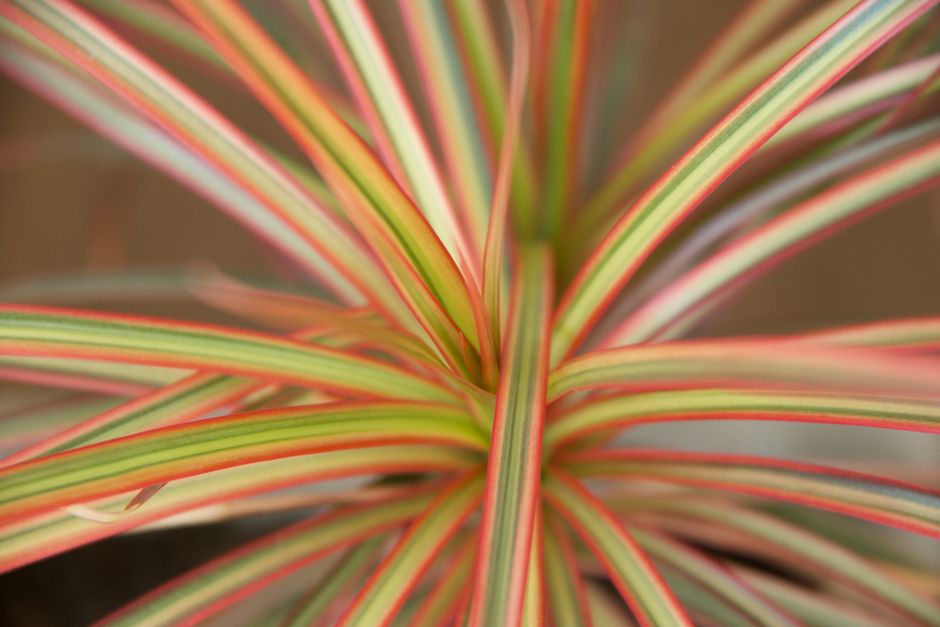
If your dracaena has white stripes, you are likely caring for a Dracaena fragrans ‘Warneckii’ or a similar variegated variety. These plants are popular because they tolerate low light and neglect, but their white stripes require slightly more light than solid-green types to stay bright. The key is to provide bright, indirect light, water only when the top inch of soil is dry, and avoid fluoride and boron, which cause leaf tip burn.
What Kind of Dracaena Has White Stripes?
Several dracaena varieties have white or cream stripes running down the center or edges of their leaves. The most common is Dracaena fragrans ‘Warneckii’, which features green leaves with white or grayish-white stripes down the middle.
Other variegated types include the ‘Lemon Lime’ dracaena, which has yellow and green stripes, and the ‘White Jewel’ variety, which shows more pronounced white bands. The care is essentially the same across all of these cultivars.
If you are unsure which variety you own, look at the stripe pattern. White stripes down the leaf center point to ‘Warneckii’. White or cream edges with green centers are less common but exist in some cultivars.
How Much Light Does a Striped Dracaena Need?
Bright, indirect light is the sweet spot for any variegated dracaena. The white areas of the leaf contain less chlorophyll than the green parts, which means the plant needs more light to photosynthesize effectively.
Place the plant near an east-facing window or a few feet back from a south or west-facing window. Direct afternoon sun can scorch the leaves, leaving brown patches on the white stripes.
Low light will not kill the plant, but the white stripes will fade and the plant may become leggy. If your dracaena’s stripes are looking dull or the new leaves come out mostly green, move it to a brighter spot gradually over a week.
How Often Should You Water a Dracaena With White Stripes?
Water when the top inch of soil feels dry to the touch. This usually means every 7 to 14 days, depending on your home’s humidity, pot size, and season.
Dracaenas are drought-tolerant and prefer to be slightly dry rather than soggy. Overwatering is the most common cause of death for these plants, leading to root rot and yellowing leaves.
In winter, when growth slows, water less frequently. Always use a pot with drainage holes and never let the plant sit in standing water.




What Water Should You Use for a Dracaena?
This matters more than most people realize. Dracaenas are highly sensitive to fluoride and boron, which are commonly found in tap water.
These chemicals cause leaf tip burn — brown, crispy tips on the leaves that cannot be reversed. The white stripes make the damage more visible than on solid-green varieties.
Use filtered water, distilled water, or rainwater if your tap water is hard or treated with fluoride. If you must use tap water, let it sit out overnight so some chlorine can evaporate, though this does not remove fluoride.
What Soil and Potting Mix Work Best?
A well-draining potting mix is essential. A standard indoor potting soil mixed with perlite or coarse sand at a ratio of about 3 parts soil to 1 part perlite works well.
The mix should hold some moisture but drain quickly. Dracaenas do not like compacted, heavy soil that stays wet for days after watering.
Repot every two to three years in spring. Choose a pot only 1 to 2 inches larger in diameter than the current one. A pot that is too large holds excess water and increases the risk of root rot.
What Temperature and Humidity Do Striped Dracaenas Need?
Average home temperatures between 65°F and 80°F suit these plants well. They are tropical in origin and do not tolerate cold drafts or temperatures below 55°F.
Keep them away from air conditioning vents, heating registers, and drafty windows. Sudden temperature swings cause leaf drop and brown edges.
Average household humidity of 30 to 50 percent is fine. If your home is very dry, especially in winter, the leaf tips may brown. A pebble tray with water under the pot or a nearby humidifier helps, but do not mist the leaves regularly — this can encourage fungal spots.
Should You Fertilize a Dracaena With White Stripes?
Yes, but lightly. Feed with a balanced, water-soluble houseplant fertilizer diluted to half strength once a month during spring and summer.
Do not fertilize in fall and winter when growth naturally slows. Over-fertilizing causes salt buildup in the soil, which shows up as brown leaf tips — the same symptom as fluoride damage.
If you use tap water and notice tip burn, reduce or stop fertilizing entirely. The plant needs far less food than most owners give it.
How Do You Prune and Propagate a Striped Dracaena?
Pruning is simple. Cut off yellow or damaged leaves at the base with clean, sharp scissors. For height control, cut the cane at the desired height — new growth will emerge just below the cut.
Propagation is easy from stem cuttings. Cut a healthy stem section 4 to 6 inches long, remove the lower leaves, and place the cutting in water or moist soil.
Roots usually appear within a few weeks in water. Once roots are 1 to 2 inches long, transfer the cutting to soil. This is a reliable way to grow new plants from an overgrown one.
Why Are the Leaves Turning Brown or Yellow?
Brown leaf tips are almost always caused by fluoride in tap water, over-fertilizing, or low humidity. Brown patches on the leaf surface usually mean sunburn from direct light.
Yellow leaves, especially lower ones, are a normal part of aging. But if multiple leaves yellow at once, overwatering is the likely culprit. Check the soil moisture and reduce watering frequency.
If the stem feels soft or mushy at the base, root rot has set in. This is serious and often fatal, but you can try taking a healthy cutting from the top of the stem and rooting it in fresh, dry soil.
Are Dracaenas Toxic to Pets?
Yes. Dracaenas contain saponins, which are toxic to cats and dogs if ingested. Symptoms include vomiting, drooling, and loss of appetite.
If you have pets that chew on houseplants, place your dracaena out of reach or choose a different plant. The toxicity is not usually life-threatening, but it causes discomfort and should be treated by a veterinarian if your pet eats a significant amount.
Frequently Asked Questions
Why are the white stripes on my dracaena turning brown?
Brown patches on the white stripes are usually sunburn from direct sunlight. Move the plant to a spot with bright, indirect light only.
Can I propagate a dracaena with white stripes from a cutting?
Yes, stem cuttings root easily in water or moist soil. Take a 4 to 6 inch cutting and remove the lower leaves before rooting.
How do I know if I am overwatering my dracaena?
Yellowing leaves, soft stems, and consistently wet soil are the main signs. Wait until the top inch of soil is dry before watering again.
Do white striped dracaenas need more light than green ones?
Yes, the white areas have less chlorophyll, so the plant needs brighter indirect light to stay healthy and keep its stripes visible.
