
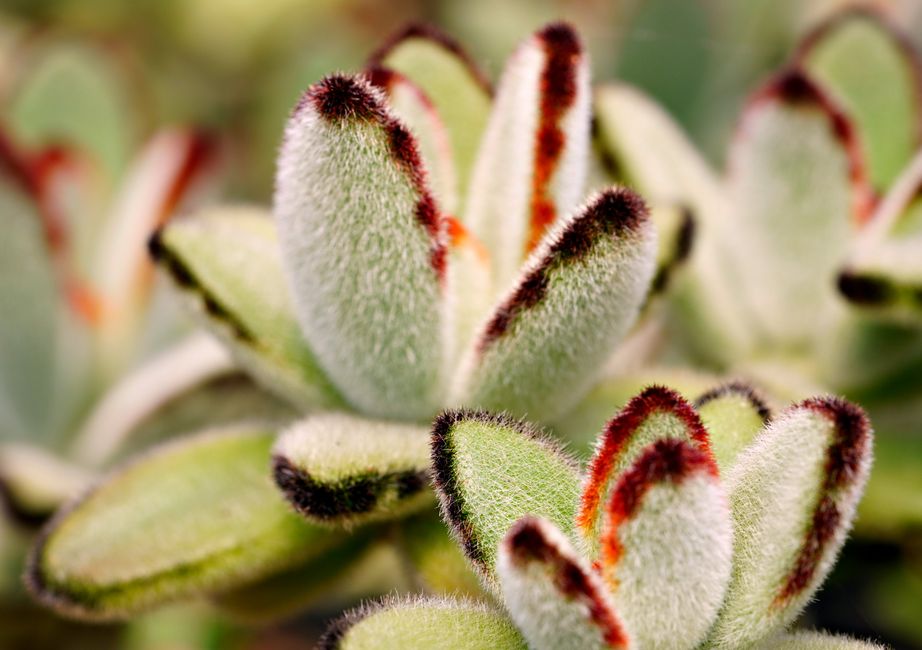
The fuzzy wandering Jew is one of the easiest trailing houseplants you can own. It grows fast, roots quickly, and forgives missed waterings better than most. Give it bright indirect light, water when the top inch of soil dries out, and keep it above 50°F, and it will reward you with long, fuzzy, purple-and-silver stems that spill over a shelf or hanging basket.
What Is a Fuzzy Wandering Jew, Exactly?
The plant most people call a fuzzy wandering Jew belongs to the genus Tradescantia, a group of trailing perennials native to the Americas. The fuzzy look comes from fine hairs covering the leaves and stems. Those hairs are a real physical feature, not a fuzziness in the photo.
You will see several names used for the same plant or its close relatives:
- Tradescantia sillamontana — often called white velvet or cobweb spiderwort. It has silvery, woolly leaves and a more upright-to-spreading habit.
- Tradescantia zebrina — the classic inch plant, with purple and silver striped leaves. It is smooth, not fuzzy.
- Tradescantia pallida — deep purple leaves, also smooth.
Confusingly, “wandering Jew” gets applied to all of these, and the fuzzy types get mixed in with the smooth ones at garden centers. Check the leaves. If they feel like felt or velvet, you have a fuzzy variety.
A note on the name: “wandering Jew” is considered offensive by some people, and many growers and nurseries now use “inch plant,” “spiderwort,” or the botanical name instead. You will see both, so it helps to know they refer to the same group.
What Kind of Light Does a Fuzzy Wandering Jew Need?
Bright, indirect light is the sweet spot. A spot near an east or west window, or a few feet back from a south window, works well for most homes.
The fuzzy leaves are more sensitive to harsh sun than the smooth Tradescantia types. Direct midday sun can scorch them and bleach the color out of the foliage. Morning sun is usually fine. If your plant sits in a very bright south window, a sheer curtain helps.
Too little light causes the opposite problem. Stems stretch out thin and pale, the space between leaves gets long, and the purple and silver coloring fades toward plain green. If your plant looks leggy and washed out, it wants more light, not more water.
How Often Should You Water It?
Water when the top inch or so of soil feels dry to the touch. That is the practical rule for most indoor conditions. In summer this may mean roughly once a week. In winter it slows down, sometimes to every two to three weeks.
Do not water on a fixed schedule. The plant’s needs change with light, temperature, and humidity, so the calendar is a poor guide. Push a finger into the soil. If it is dry an inch down, water. If it is still damp, wait.
When you do water, water thoroughly until it runs out the drainage holes, then empty the saucer. Sitting in standing water is one of the few things that reliably kills this plant. Fuzzy leaves also dislike being splashed. Water the soil, not the foliage, and try to keep the leaves dry.




What Soil and Pot Work Best?
A loose, fast-draining mix is what you want. A standard potting soil blended with extra perlite or coarse sand works well. The goal is a mix that holds some moisture but lets excess water drain away quickly.
Drainage holes are not optional. A pot without them traps water at the bottom, and the roots rot. If you love a decorative pot with no holes, use it as a cover and keep the plant in a smaller inner pot that does drain.
Terracotta is a good choice because it wicks moisture out through the walls, which suits a plant that dislikes staying wet. Plastic works too, as long as the mix drains freely and you do not overwater.
Temperature, Humidity, and Fertilizer
Keep it warm. These plants are comfortable in the same range most people keep their homes, roughly 60°F to 75°F. They do not tolerate cold well, and anything below about 50°F can damage them. Keep them away from drafty windows in winter and away from air conditioning vents in summer.
Average household humidity is usually fine. Fuzzy Tradescantia types are a bit more tolerant of dry indoor air than many tropical houseplants, which is part of why they are so forgiving. If your home is very dry, a pebble tray or a nearby humidifier can help, but it is rarely essential.
Fertilizer is a light touch. A balanced liquid houseplant fertilizer at half strength, once a month during the growing season, is plenty for most plants. Skip it in winter when growth slows. Overfeeding causes weak, floppy growth and can build up salts in the soil.
How Do You Prune and Propagate It?
Pruning keeps the plant full. Left alone, a fuzzy wandering Jew tends to get long and bare at the base, with all the growth at the ends of the vines. Pinching off the tips encourages branching and a bushier shape.
Propagation is genuinely easy, which is part of this plant’s appeal. You can root cuttings in water or straight into soil.
- Snip a stem just below a leaf node. A node is the bump where a leaf attaches.
- Remove the lower leaves so a couple of inches of bare stem remain.
- Place the cutting in water or tuck it into moist potting mix.
- Keep it warm and in bright indirect light. Roots typically form within a couple of weeks in water.
You can also just lay a stem on top of moist soil and let it root where it touches. This plant roots so readily that it will sometimes root at nodes on its own if a stem rests on damp ground.
Common Problems and What They Mean
Most issues trace back to light, water, or temperature. Here is how to read the signals.
- Mushy, dark stems and a bad smell: root rot from overwatering. Remove affected parts, let the soil dry, and repot into fresh, fast-draining mix.
- Crispy brown leaf tips: usually dry air or inconsistent watering, sometimes a buildup of fertilizer salts.
- Leggy, pale growth: not enough light.
- Scorched, bleached patches: too much direct sun.
- Brown, papery leaves near the base: often just the normal aging of older leaves, especially on a plant that needs a trim.
Pests are not a major problem for this plant, but watch for spider mites, especially in dry indoor air. Fine webbing and stippled, speckled leaves are the usual signs. Mealybugs and aphids can also show up. Wipe or rinse them off and treat as needed.
One thing worth knowing: the sap of Tradescantia can irritate skin in some people and is toxic to pets if eaten. The ASPCA lists Tradescantia species as toxic to cats and dogs. Keep it out of reach of animals and wash your hands after handling broken stems.
How To Grow And Care For A Fuzzy Wandering Jew Outdoors
In warm climates, this plant can grow outdoors year-round. It is hardy in roughly USDA zones 9 through 11, though cold tolerance varies by species, so check the specific plant you have. In cooler zones, grow it as an annual or bring it inside before the first frost.
Outdoors, give it a spot with morning sun and afternoon shade, or filtered light all day. It works well in hanging baskets and as a groundcover in frost-free areas. The same rules apply: well-draining soil, regular water without staying soggy, and protection from hard freezes.
If you live somewhere with cold winters, the simplest approach is to keep it in a pot and move it indoors when temperatures start dropping toward 50°F. It makes a fine houseplant through winter and goes back outside in spring.
Frequently Asked Questions
Is a fuzzy wandering Jew easy to care for?
Yes, it is one of the more forgiving trailing houseplants. It tolerates occasional missed waterings and average indoor humidity, as long as it gets bright indirect light and well-draining soil.
Why are the leaves on my fuzzy wandering Jew turning brown?
Crispy brown tips usually point to dry air or inconsistent watering, while brown mushy stems suggest overwatering and root rot. Check whether the soil is staying too wet or drying out too fast before changing anything.
Can you root fuzzy wandering Jew cuttings in water?
Yes, stem cuttings root readily in water. Cut just below a leaf node, remove the lower leaves, and place the stem in water in bright indirect light; roots typically appear within a couple of weeks.
Is fuzzy wandering Jew toxic to cats and dogs?
Yes, the ASPCA lists Tradescantia species as toxic to cats and dogs if eaten. Keep the plant out of reach of pets, and wash your hands after handling broken stems, since the sap can irritate skin.
