
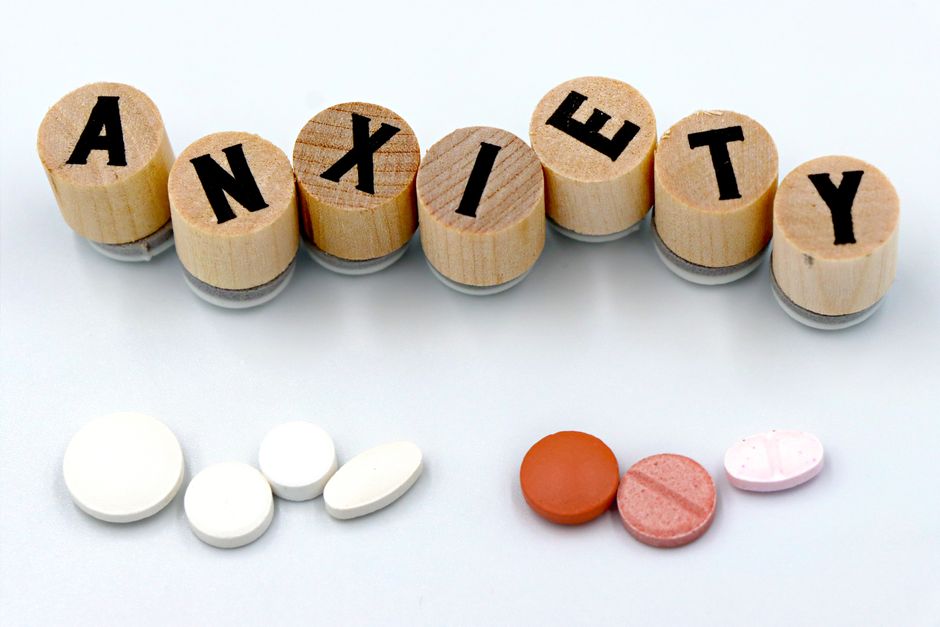
Anxiety is your body’s alarm system firing when you need it to settle. The fastest way to calm it is to work with your physiology, not against it: slow your breathing, cool your body, ground your senses, and give your mind something concrete to do. These eight techniques can lower arousal within minutes for many people.
How To Calm Anxiety Fast 8 Techniques That Help
Anxiety has two parts. One is the mental story — the worrying, the what-ifs, the sense that something is wrong. The other is physical: a racing heart, tight chest, shallow breathing, tense muscles. That physical side is driven by your sympathetic nervous system, the branch that handles threat response.
Here is the useful part. You cannot talk yourself out of a racing heart in the moment. But you can change the signals your body is sending back to your brain. That is what these eight techniques do.
1. Slow your exhale
Breathing is the only part of your autonomic nervous system you can control directly. A long, slow exhale stimulates the vagus nerve, which shifts you toward the parasympathetic branch — the “rest and digest” side.
Try this: breathe in through your nose for a count of four. Breathe out through your mouth for a count of six to eight. The exhale should be longer than the inhale. Repeat for one to two minutes. Slower breathing at roughly six breaths per minute is the pattern most studied for calming the nervous system, though you do not need to count precisely to get the effect.
2. Cool your face and wrists
Cold water on your face triggers what is called the dive reflex. Your body responds to cold on the face by slowing your heart rate and redirecting blood toward your core. It is a real physiological response, not a placebo.
Splash cold water on your face, hold a cold pack against your cheeks and eyes, or run cold water over your wrists for about 30 seconds. Some people find this works faster than breathing alone when anxiety is intense.
3. Use the 5-4-3-2-1 grounding method
Anxiety pulls your attention into the future. Grounding pulls it back to right now. The 5-4-3-2-1 method gives your mind a specific task.
- Name 5 things you can see
- Name 4 things you can feel
- Name 3 things you can hear
- Name 2 things you can smell
- Name 1 thing you can taste
Say them out loud or write them down if you can. The point is not distraction. It is giving your brain real sensory data that competes with the alarm signal.
4. Tense and release your muscles
Progressive muscle relaxation is well established as a technique for reducing physical tension. The principle is simple: you cannot hold a muscle tight and relaxed at the same time.
Working from your feet upward, tense each muscle group for about five seconds, then release for ten. Notice the difference between the two states. This takes longer than breathing — usually five to ten minutes for the full body — but it can break a cycle of mounting tension that breathing alone will not touch.
5. Move your body
Anxiety prepares you for action. Sometimes the fastest way through it is to actually move. A brisk walk, climbing stairs, or even shaking out your arms and legs can help discharge some of that activated energy.
Exercise also releases endorphins and other chemicals that affect mood and stress response. A short burst of movement will not resolve an anxiety disorder, but it can take the edge off an acute spike.
6. Name what you are feeling
Putting feelings into words appears to reduce activity in the amygdala, the brain region central to threat detection. This is sometimes called “affect labeling.”
Say it plainly: “I am feeling anxious right now. My chest is tight. My heart is fast.” You are not judging it or trying to fix it. You are just describing it. Some research suggests this simple act can lower emotional intensity more than trying to suppress the feeling.
7. Challenge the thought, gently
Once your body has settled a little, you can work with the thinking. Ask yourself: what is the evidence for this worry? What is the evidence against it? What would I tell a friend who said this to me?
This is not about forcing positive thinking. It is about testing whether the alarm matches the actual situation. Cognitive behavioral therapy, which uses this kind of questioning as a core tool, is one of the most well-supported treatments for anxiety disorders.
8. Reach out to someone
Connection calms the nervous system. A phone call, a text, or simply sitting near someone you trust can lower stress hormones. You do not have to explain everything. “I’m feeling anxious and I just wanted to hear your voice” is enough.
If no one is available, even a pet, a favorite podcast, or a familiar voice recording can help. The point is to interrupt the isolation that anxiety tends to create.
Why Do These Techniques Work?
Every technique on this list targets one of two things: the body’s stress response or the mind’s threat interpretation. Breathing, cold water, muscle relaxation, and movement work on the physical side. Grounding, labeling, cognitive challenging, and connection work on the mental side.
The most effective approach usually combines both. You calm the body first, because a calm body makes a calm mind more possible. Then you address the thoughts, because unexamined worries tend to return.
None of this is a cure for an anxiety disorder. These are tools for managing moments. They work best as part of a broader plan that may include therapy, lifestyle changes, and sometimes medication.
When Should You Seek Professional Help?
Occasional anxiety is normal. Anxiety that interferes with your daily life is not something you have to manage alone.
Consider talking to a doctor or mental health professional if:
- You feel anxious most days for several months
- Anxiety stops you from working, socializing, or leaving home
- You have panic attacks — sudden intense fear with physical symptoms
- You avoid situations because of anxiety
- You use alcohol or drugs to cope
- You have thoughts of harming yourself
If you are having thoughts of suicide, call or text 988 in the US to reach the Suicide and Crisis Lifeline. This is available 24 hours a day.
Effective treatments exist. Cognitive behavioral therapy has strong evidence behind it. So do certain medications, including SSRIs and SNRIs, for anxiety disorders. A doctor can help you figure out what is appropriate for your situation.





What About Long-Term Anxiety Management?
Quick techniques help in the moment. But if anxiety keeps returning, the bigger work is building habits that lower your baseline.
Regular physical activity, consistent sleep, limited caffeine and alcohol, and time in nature all have evidence supporting their role in anxiety management. So does structured therapy, particularly CBT and acceptance and commitment therapy.
Mindfulness meditation has moderate evidence for reducing anxiety symptoms over time. It is not a quick fix, but regular practice can change how you relate to anxious thoughts.
The goal is not to eliminate anxiety. It is to keep it from running your life. Anxiety is a normal human emotion. The problem is when it becomes disproportionate, persistent, or disabling.
Can You Prevent Anxiety From Spiking?
You cannot prevent every spike. But you can reduce how often they happen and how hard they hit.
Know your triggers. For some people it is caffeine, poor sleep, or skipping meals. For others it is certain social situations or unresolved conflict. Tracking when anxiety rises can reveal patterns.
Practice the techniques when you are calm. Breathing exercises and grounding skills work better when they are familiar. If the first time you try slow breathing is in the middle of a panic attack, it is harder to make it work.
Build a routine that includes movement, sleep, and connection. These are not glamorous answers, but they are the ones with the most consistent evidence behind them.
Frequently Asked Questions
What is the fastest way to calm anxiety?
Slow breathing with a long exhale is often the fastest technique because it directly affects the nervous system. Cold water on the face can also work within seconds for some people.
Do breathing exercises really work for anxiety?
Yes, slow breathing activates the parasympathetic nervous system, which counteracts the stress response. The effect is well documented, though it works better with practice.
How long does it take to calm down from anxiety?
With active techniques, many people feel some relief within a few minutes. A full return to baseline can take longer, especially after a panic attack.
When should I see a doctor for anxiety?
See a doctor if anxiety interferes with your daily life, lasts for months, or causes panic attacks. Effective treatments are available and you do not have to manage it alone.
