
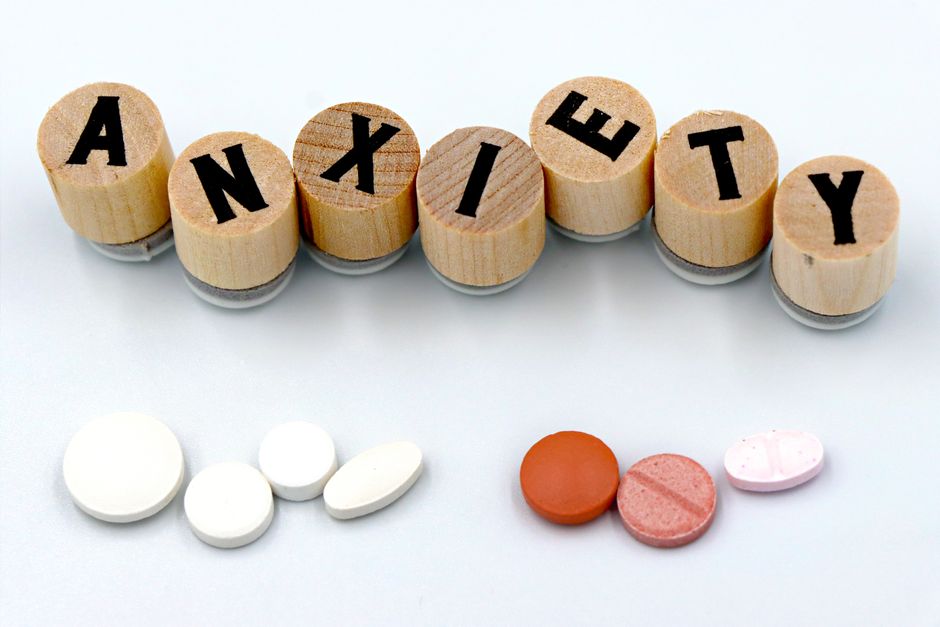
Anxiety can hit like a wave, and when it does, your brain is telling you there is a threat. Your heart races, your breathing gets shallow, and your thoughts spin. The good news is that you can change this response in the moment. Techniques that engage your body’s relaxation system can slow the wave down within minutes. Here is how to relieve anxiety quickly using eight proven techniques that work on your nervous system directly.
How To Relieve Anxiety Quickly 8 Proven Techniques
The fastest way to calm anxiety is to signal safety to your brain through your body. Anxiety activates your sympathetic nervous system, which prepares you to fight or flee. The techniques below activate the parasympathetic nervous system, which is your rest-and-digest mode. When you trigger this system, your heart rate slows, and your body gets the message that the danger has passed.
These methods are not distractions. They are physiological interventions that change your body’s state. They work best when practiced repeatedly, even when you are calm, so that you can call on them during a spike of anxiety.
1. Box Breathing
Box breathing is a structured breathing pattern used by athletes and military personnel to manage stress. You inhale for a count of four, hold for four, exhale for four, and hold for four. This pattern increases carbon dioxide in the blood, which has a calming effect on the nervous system.
Repeat the cycle for three to five minutes. You should feel your shoulders drop and your heart rate settle. The deliberate hold between breaths is what separates this from ordinary deep breathing.
2. Grounding with the 5-4-3-2-1 Method
Anxiety often pulls your mind into the future or the past. Grounding pulls it back to the present. The 5-4-3-2-1 method uses your senses to anchor you to the current moment.
- Name 5 things you can see
- Name 4 things you can touch
- Name 3 things you can hear
- Name 2 things you can smell
- Name 1 thing you can taste
This technique works because your brain cannot fully process sensory input and panic at the same time. It forces your attention outward, interrupting the spiral of anxious thoughts.
3. Cold Water on the Face
Splashing cold water on your face triggers the mammalian dive reflex. This reflex is a natural physiological response that slows your heart rate and redirects blood flow to your brain and heart. It is an automatic response, meaning you do not have to think your way into calm.
Cold water between 50 and 60 degrees Fahrenheit works best. If you are in a public place, run cold water over your wrists instead. The effect is less intense but still useful.
4. Progressive Muscle Relaxation
Anxiety makes your muscles tense, often without you noticing. Progressive muscle relaxation involves tensing one muscle group for five seconds, then releasing it for ten seconds. Work from your toes up to your face.
The release of tension sends a relaxation signal to your brain. This technique also gives your mind a specific task to focus on, which interrupts the cycle of anxious thinking. It takes about ten minutes for a full body scan, but even doing your hands and shoulders can help.
5. The 3-3-3 Rule
The 3-3-3 rule is a quick cognitive distraction technique. You name three things you see, three sounds you hear, and then move three parts of your body. This differs from the 5-4-3-2-1 method because it requires physical movement, which can release built-up nervous energy.
This technique is useful when your anxiety is moderate and you need to function. It is less effective during a full panic attack, when your body needs a stronger physiological intervention like cold water or breathing.
6. Slow Exhalation Breathing
Your exhale is directly connected to your relaxation response. When you breathe out slowly, your vagus nerve sends a signal to slow your heart rate. This is why sighing feels so relieving.
Try breathing in through your nose for four seconds, then out through your mouth for eight seconds. The longer exhale is the key. Even five of these breaths can noticeably reduce the intensity of anxiety.
7. Physical Movement
Anxiety is energy in your body, and movement helps your body process it. A brisk walk, jumping jacks, or even shaking out your arms and legs for sixty seconds can help. Physical activity burns off the adrenaline that your body released during the anxiety response.
You do not need a full workout. The goal is to move your large muscle groups so your body can complete the stress response cycle that anxiety started. If you are at a desk, stand up and stretch for two minutes.
8. The 5-4-3-2-1 Alternative: Counting Backward
Counting backward from 100 by sevens is a classic technique for a reason. It requires enough mental effort to interrupt anxious thoughts without being so hard that it frustrates you. This technique is especially useful when anxiety strikes at night and you cannot get out of bed.
If sevens are too difficult, count backward from 100 by threes. The point is to occupy your working memory, which has limited capacity. When your brain is busy calculating, it has fewer resources left for worry.
Why These Techniques Work on a Biological Level
Anxiety is not just in your head. It is a full-body response driven by your autonomic nervous system. When you perceive a threat, your amygdala sends an alarm signal, and your body releases adrenaline and cortisol. Your heart rate increases, your breathing quickens, and blood flows to your muscles.
The techniques above work because they directly influence the vagus nerve. The vagus nerve runs from your brainstem to your abdomen and is the main highway of your parasympathetic nervous system. Activities like slow breathing, cold water exposure, and muscle relaxation stimulate this nerve, which counteracts the stress response.
This is why distraction alone often fails. Telling yourself to calm down does not activate your relaxation response. You need a physical intervention that signals safety to your body.
Breathing Techniques vs. Distraction Techniques
Breathing techniques are the most reliable tools for rapid anxiety relief because they act directly on your nervous system. They work within seconds to minutes and have no side effects. They are also portable, which makes them useful in almost any situation.
Distraction techniques like counting or grounding are better for mild to moderate anxiety. They work by shifting your attention away from anxious thoughts. They are less effective during a panic attack because your body is already in a high-arousal state that requires a physiological intervention.
For best results, combine both approaches. Use a breathing technique to calm your nervous system, then use a grounding technique to settle your thoughts. This one-two punch addresses both the physical and mental components of anxiety.



When Anxiety Relief Techniques Are Not Enough
These techniques are effective for situational anxiety, such as before a presentation or during a stressful event. They are not a substitute for professional treatment if you have an anxiety disorder. If anxiety is frequent, intense, or interferes with your daily life, you should talk to a healthcare provider.
Clinical anxiety is a medical condition that often responds well to treatment. Cognitive behavioral therapy has strong evidence for treating anxiety disorders. Medications are also available and can be highly effective. There is no shame in seeking help, and early treatment typically leads to better outcomes.
You should also seek help immediately if you experience chest pain, shortness of breath, or dizziness along with anxiety. These symptoms can also indicate a medical emergency. When in doubt, get checked out.
Building a Daily Practice to Prevent Anxiety Spikes
The techniques above are most effective when you practice them before you need them. Daily breathing practice for five minutes can lower your baseline anxiety level. Regular physical activity is one of the most effective long-term strategies for reducing anxiety, with research consistently showing that exercise reduces anxiety symptoms.
Sleep also matters. Poor sleep increases your sensitivity to stress and makes you more vulnerable to anxiety spikes. Aim for consistent sleep and wake times, even on weekends. Caffeine can also amplify anxiety, so pay attention to how much you consume and how it affects you.
Building these habits does not mean you will never feel anxious again. Anxiety is a normal human emotion. The goal is to reduce the intensity and frequency of anxiety spikes so they do not control your life.
Frequently Asked Questions
What is the fastest way to calm anxiety?
Slow exhalation breathing is the fastest technique because it directly stimulates your vagus nerve and slows your heart rate within minutes. Inhale for four seconds, then exhale for eight seconds, and repeat for several breaths.
Does box breathing actually work for panic attacks?
Yes, box breathing can help during a panic attack, but it may take longer to feel the effects. During a panic attack, your body is in a high-arousal state, so combine breathing with cold water on your face or physical movement for faster relief.
Can these techniques replace anxiety medication?
No, these techniques are not a substitute for medication prescribed by a doctor. They are useful coping tools for situational anxiety, but if you have an anxiety disorder, follow your healthcare provider’s treatment plan.
How long does it take for breathing exercises to lower anxiety?
Most people notice a reduction in anxiety within two to five minutes of slow breathing. The effect builds with practice, so regular daily practice makes the techniques work faster when you need them.
