
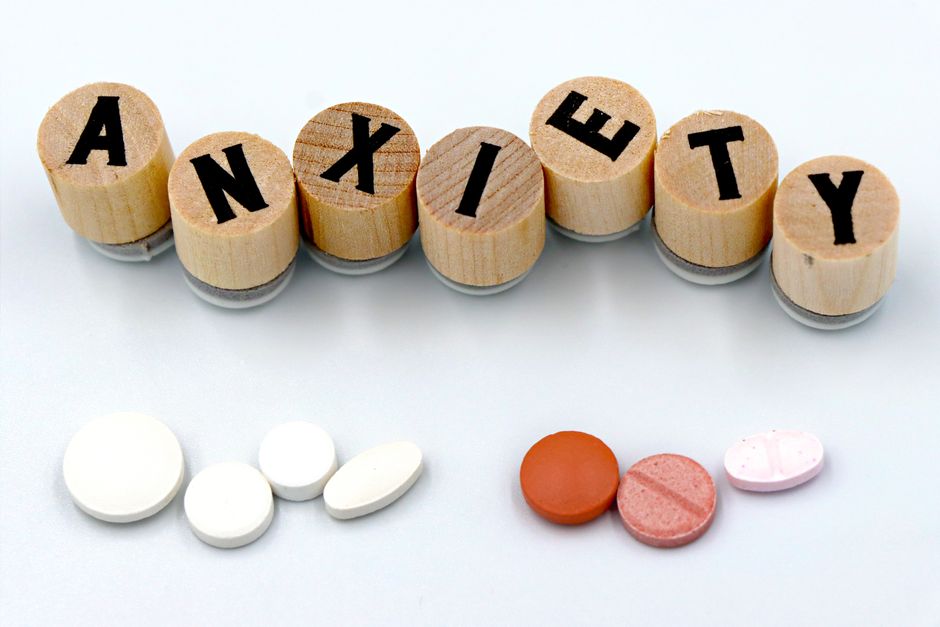
Anxiety can feel like it takes over your body and mind without warning. Self-regulation is the skill of noticing those early signs and using techniques to bring your nervous system back to a calmer state. Techniques that work include slow breathing that lengthens your exhale, grounding exercises that connect you to the present moment, and cognitive methods that help you challenge anxious thoughts before they spiral.
What Does It Mean to Self-Regulate Anxiety?
Self-regulation is not about eliminating anxiety completely. It is about managing your response to it. Your body has a built-in alarm system called the sympathetic nervous system. When it detects a threat, it releases stress hormones like cortisol and adrenaline. This triggers a faster heart rate, quicker breathing, and muscle tension.
The counterbalance is the parasympathetic nervous system. This is often called the rest and digest system. It slows your heart rate and helps your body return to a state of calm. Self-regulation techniques essentially train you to activate this second system on purpose, rather than letting the alarm system run unchecked.
Anxiety becomes a problem when the alarm system fires too often or stays on too long. Learning to self-regulate gives you tools to interrupt that cycle. It is a practical skill, not a personality trait. Like any skill, it improves with regular practice.
How To Self Regulate Anxiety Techniques That Work?
Several techniques have strong evidence behind them. The most effective approaches usually combine a physical technique to calm the body with a mental technique to calm the thoughts.
Physiological techniques work from the body up. They are fast-acting and useful in moments of high distress. Cognitive techniques work from the mind down. They take more time and practice but can reduce the frequency and intensity of anxious episodes over the long term.
The techniques below are arranged from fastest-acting to most practice-dependent. Start with the ones that feel accessible to you in the moment.
Slow Breathing With a Longer Exhale
Breathing is the most direct way to influence your nervous system. When you breathe out slowly, you stimulate the vagus nerve. This nerve sends signals to your brain that help activate the parasympathetic nervous system.
A simple pattern is to breathe in through your nose for a count of four, then breathe out slowly through your mouth for a count of six or eight. The exhale should always be longer than the inhale. Repeat this for several minutes. You should notice your heart rate slowing and your muscles beginning to relax.
This technique works because it forces your body to override the rapid, shallow breathing that accompanies anxiety. It is not a distraction. It is a direct physiological intervention.
Grounding With Your Senses
Grounding techniques pull your attention away from anxious thoughts and into the present moment. The 5-4-3-2-1 method is a common approach. You name five things you can see, four things you can touch, three things you can hear, two things you can smell, and one thing you can taste.
This works for two reasons. First, it forces your brain to process sensory information instead of catastrophic thoughts. Second, it interrupts the mental loop of worry by giving your mind a concrete task that requires focus.
Grounding is especially helpful when anxiety is tied to racing thoughts about the future or past events. It anchors you firmly in the here and now.
Progressive Muscle Relaxation
Anxiety often causes physical tension that you may not even notice. Progressive muscle relaxation involves tensing and then releasing different muscle groups in sequence. You might start with your feet and work up to your face, or start at your head and work down.
For each muscle group, tense the muscles for about five seconds, then release and notice the sensation of relaxation for about ten seconds. This technique helps you become more aware of where you hold stress in your body. It also gives you a direct way to release that tension.
Research has shown this method can reduce symptoms of anxiety, particularly in people who carry tension in their shoulders, jaw, or neck. It requires a quiet space and a few minutes of uninterrupted time.
Cognitive Defusion
Anxious thoughts often feel like facts. Cognitive defusion is a technique from Acceptance and Commitment Therapy that helps you see thoughts as mental events, not truths. The goal is not to stop the thought. The goal is to change your relationship to it.
One simple exercise is to label the thought. Instead of thinking “I am going to fail this presentation,” you reframe it as “I am having the thought that I am going to fail this presentation.” This small shift creates distance between you and the thought.
Another technique is to imagine your thoughts as passing clouds or as words on a screen. You watch them come and go without engaging with their content. This reduces the emotional charge of the thought while allowing it to exist without fighting it.
What Is the 3-3-3 Rule for Anxiety?
The 3-3-3 rule is a quick grounding technique used in the moment of acute anxiety. You name three things you can see, three sounds you can hear, and then move three parts of your body. This could be your fingers, shoulders, or ankles.
This technique is popular because it is fast and requires no special tools or environment. It works best for sudden spikes of anxiety or panic symptoms in public settings. It shifts your brain from the internal alarm state to external sensory processing.
It is not a complete treatment for anxiety disorders. But as a momentary intervention, it can help you regain enough composure to use a deeper technique like slow breathing or cognitive reframing.




When Should You Seek Professional Support?
Self-regulation techniques are valuable tools, but they are not a substitute for professional care in every situation. If anxiety interferes with your daily functioning, relationships, or ability to work, professional help is appropriate.
Signs that you should seek support include anxiety that lasts most days for several months, panic attacks that come without warning, avoidance of normal activities due to fear, or physical symptoms like chest pain or shortness of breath that have not been evaluated by a doctor.
Evidence-based treatments for anxiety disorders include cognitive behavioral therapy and certain medications. A mental health professional can help you determine which approach fits your specific situation. Many people use self-regulation techniques alongside professional treatment, not instead of it.
Frequently Asked Questions
What is the fastest way to calm anxiety in the moment?
Slow breathing with a longer exhale is among the fastest methods. Breathe in for four counts and out for six to eight counts to activate your parasympathetic nervous system.
Can you self-regulate anxiety without medication?
Yes. Breathing exercises, grounding techniques, and progressive muscle relaxation are effective non-medication strategies for many people. If anxiety is severe or persistent, professional treatment may still be necessary.
How long does it take for anxiety regulation techniques to work?
Fast-acting techniques like breathing and grounding can reduce symptoms within minutes. Cognitive techniques that change long-term anxiety patterns typically require several weeks of consistent practice.
Does exercise help with anxiety regulation?
Regular aerobic exercise has been shown to reduce overall anxiety levels. It helps regulate stress hormones and improves mood through the release of endorphins.
