
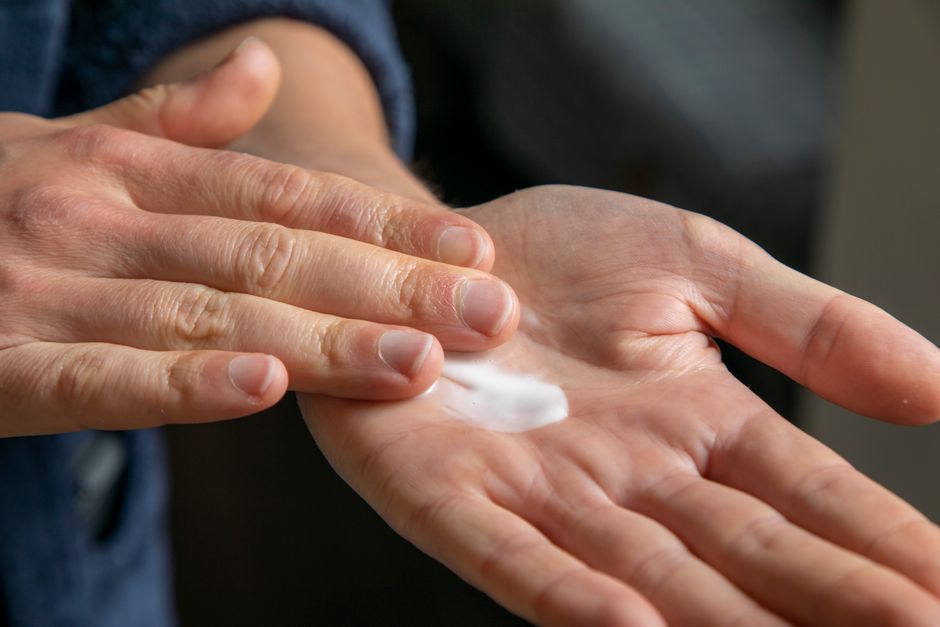
Testosterone cream for females is applied to thin skin areas like the inner arm, lower belly, or inner thigh, rotating sites daily. Use the exact dose prescribed, usually a pea-sized amount, and rub it in fully until absorbed. Do not apply near the genitals, breasts, or broken skin, and wash your hands immediately after each application.
Why Do Some Women Use Testosterone Cream?
Testosterone is not just a male hormone. Women produce it too, just in much smaller amounts. By age 40, a woman’s testosterone levels can be half of what they were in her 20s. For some women, this drop causes real problems.
Low libido is the most common reason women seek testosterone therapy. Research shows it can help with sexual desire and arousal in postmenopausal women who have low sex drive. Some studies also suggest benefits for energy, mood, and muscle strength, though the evidence is weaker for those effects.
The FDA has not approved testosterone cream specifically for women. Doctors prescribe it off-label. This means you are using an approved drug in a way not listed on the label, which is legal and common in medicine. But it also means less regulation around dosing and safety testing for female use.
Current research suggests that low-dose testosterone can be helpful for some women, but it is not for everyone. The key is getting the dose right. Too much causes side effects. Too little does nothing.
How To Apply Testosterone Cream For Females Correctly
Application technique matters more than most people realize. The way you apply the cream affects how much gets absorbed and how consistent your levels are day to day.
Follow these steps every time:
Choose the right spot. Apply to clean, dry skin on the inner arm, lower abdomen, inner thigh, or upper buttock. These areas have thinner skin and better blood flow, which helps absorption.
Rotate sites daily. Do not use the exact same spot two days in a row. This prevents skin irritation and helps maintain even absorption. Keep a simple log or set a phone reminder.
Use the exact dose. Squeeze the prescribed amount onto your finger. A typical starting dose for women is 0.5 to 1 mg per day, which is about a pea-sized dab of a compounded cream. Your doctor will tell you the exact amount.
Rub it in fully. Spread the cream over an area about the size of your palm. Rub until it disappears. Do not just pat it on. Full rubbing helps absorption and reduces transfer to others.
Wait before dressing. Let the area dry for at least 3 to 5 minutes before putting on clothes. This prevents the cream from rubbing off onto fabric.
Wash your hands. Use soap and warm water immediately after applying. This prevents accidentally transferring the cream to family members or pets.
| Application Site | Advantages | Precautions |
|---|---|---|
| Inner arm | Easy to reach, thin skin | May transfer during sleep |
| Lower abdomen | Larger surface area | Avoid belly button area |
| Inner thigh | Good absorption | Higher transfer risk from clothing |
| Upper buttock | Low transfer risk | Harder to reach alone |
What Happens If You Apply Testosterone Cream Wrong?
Getting the application wrong can cause real problems. The most common mistakes are using too much, applying to the wrong body parts, and not rotating sites.
Using too much cream is the biggest risk. More is not better with testosterone. Excess testosterone converts to estrogen in the body or causes side effects like acne, unwanted facial hair, and a deeper voice. Some of these changes are irreversible.
Applying to the wrong areas increases side effects. The genitals and breasts absorb hormones more rapidly, which can cause local irritation and unpredictable spikes in blood levels. Broken skin or rashes also absorb more than intended.
Not washing your hands after application is a serious safety concern. Testosterone cream can transfer to children or partners through skin contact. Children exposed to testosterone can experience early puberty, aggression, and growth problems. Partners can experience hormonal side effects.
Skipping rotation causes skin problems. The same spot day after day leads to redness, itching, and thickening of the skin. This changes absorption over time and makes the treatment less predictable.




What Does Research Show About Testosterone for Women?
Research on testosterone therapy for women is more limited than for men. Most studies focus on postmenopausal women with low libido. The evidence is strongest for this use.
A 2019 review in the journal Menopause looked at 36 studies. It found that testosterone therapy improved sexual function and satisfaction in postmenopausal women. The benefits were modest but real. About 60 percent of women on testosterone reported improvement compared to 40 percent on placebo.
The research is less clear for premenopausal women. Some studies suggest benefit, but the evidence is weaker. Current guidelines recommend testosterone only for women with diagnosed low libido that causes distress, and only after other causes are ruled out.
Blood level monitoring is essential. Doctors should check testosterone levels before starting treatment and every few months after. The goal is to keep levels in the normal female range, which is much lower than the male range. As of 2026, there is no standard dose for women, so individual adjustment is the norm.
Long-term safety data is limited. Studies have not followed women on testosterone for more than a few years. There is no strong evidence of increased cancer risk, but the data is not complete enough to say it is completely safe for decades of use.
What Are the Side Effects Women Should Watch For?
Side effects from testosterone cream are dose-dependent. Higher doses cause more side effects. The key is catching them early so your doctor can adjust your dose.
Common side effects include:
- Acne, especially on the face and back
- Increased facial or body hair growth
- Oily skin
- Mood changes, including irritability or aggression
- Hair loss on the scalp
Less common but more serious side effects require immediate attention. A deepening voice is a sign of too much testosterone and may not reverse even after stopping the cream. Clitoral enlargement can also occur with prolonged overuse. These are signs that your dose is too high and needs adjustment.
Some women experience skin reactions at the application site. Redness, itching, or a rash is usually mild and improves with rotating sites. If the reaction is severe, stop using the cream and call your doctor.
Testosterone can affect cholesterol levels. It may lower HDL, the good cholesterol, though the change is usually small at female doses. Your doctor should check your cholesterol before starting treatment and periodically after.
Frequently Asked Questions
Frequently Asked Questions
Can I apply testosterone cream anywhere on my body?
No. Only use thin, clean skin areas like the inner arm, lower abdomen, inner thigh, or upper buttock. Avoid genitals, breasts, and broken skin.
How long after applying can I shower?
Wait at least one hour before showering or swimming. This gives the cream enough time to fully absorb into your skin.
What happens if I miss a dose?
Apply it as soon as you remember, but skip it if it is almost time for your next dose. Do not double up to make up for a missed dose.
Can testosterone cream affect my partner or children?
Yes. Direct skin contact can transfer the hormone. Wash your hands after applying and cover the application site with clothing to prevent accidental transfer.
