
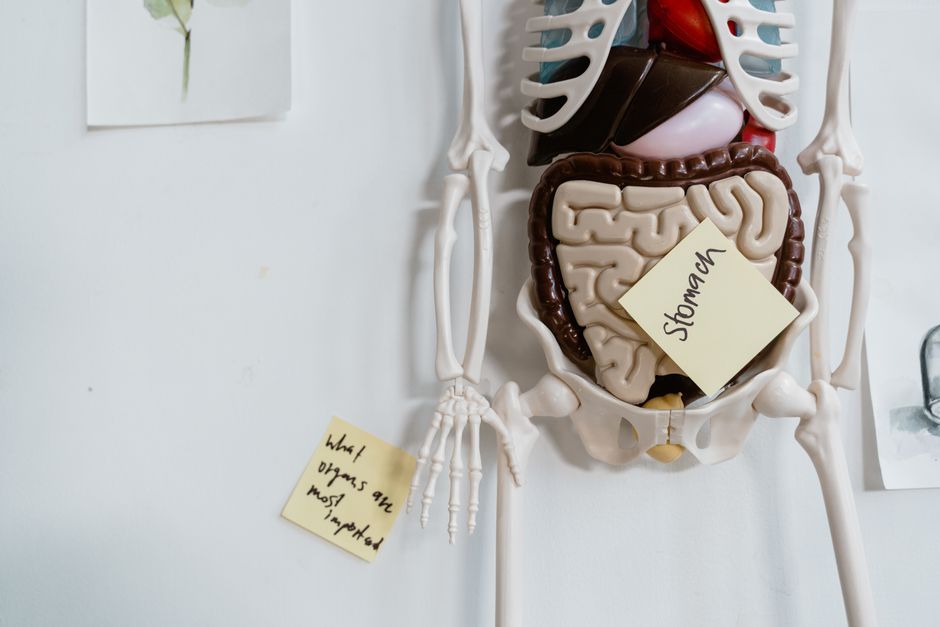
Your digestive system handles roughly 50 tons of food over a lifetime, yet most people never think about it until something goes wrong. That quiet reliability is not luck. It is an active, constant process called digestive homeostasis — the body’s way of keeping conditions inside your gut stable while the outside world keeps changing.
Digestive homeostasis is the body’s coordinated effort to hold the digestive tract in a steady internal state. It does this through feedback loops that balance acid, enzymes, hormones, nerves, blood flow, and trillions of microbes. When one part shifts, others adjust to bring the system back toward normal.
What Is Digestive Homeostasis?
Homeostasis means keeping internal conditions steady even when the environment changes. In the gut, that means controlling acidity, temperature, fluid levels, movement, and the balance of chemicals and cells lining the tract.
Your stomach, for example, stays highly acidic so it can break down food and kill many microbes. Your small intestine, just a few inches away, must stay close to neutral so its enzymes work and its lining is not damaged. The body manages these opposite conditions at the same time, in connected organs, without you noticing.
This balance is dynamic, not fixed. It shifts with meals, sleep, stress, illness, and medication. The system does not aim for one perfect number. It aims for a range it can defend.
How Does the Body Maintain Digestive Homeostasis?
The body maintains digestive homeostasis through several overlapping feedback systems that sense change and respond to it. No single organ runs the process. It is distributed across the gut wall, the nervous system, hormones, and the microbes that live inside you.
Here are the main mechanisms working at the same time:
- Nerve reflexes in the gut wall detect stretch, pressure, and chemical changes, then adjust muscle movement and secretions.
- Enteric nervous system — a network of roughly 500 million neurons in the gut — can act on its own and also talks to the brain.
- Hormones like gastrin, secretin, and cholecystokinin trigger acid, bicarbonate, and enzyme release at the right moments.
- Blood flow increases to the gut during digestion and shifts elsewhere between meals.
- Mucus and cell turnover protect the lining and replace worn cells constantly.
- Gut microbes ferment fiber, produce some vitamins, and interact with the immune system.
A useful way to picture this: the gut is a self-correcting assembly line. Sensors watch for problems, and responses fire automatically to fix them before you feel anything.
How Does the Gut Sense and Respond to Changes?
The gut senses change through specialized cells and nerve endings embedded in its walls. When you eat, these sensors detect stretching as the stomach fills, the arrival of acid, and the presence of nutrients like fat and protein.
That information triggers a response. The stomach releases acid and begins churning. The pancreas gets a signal to send enzymes and bicarbonate. The gallbladder contracts to release bile. The small intestine starts moving in coordinated waves that push contents forward.
The system also responds to what should not happen. If contents move too fast, the colon has less time to absorb water, and stools become loose. If they move too slowly, more water is absorbed, and stools become hard. Both are signs the feedback loop is strained.
This is why the gut can react within seconds to a meal and also adjust over days to a change in diet. Short-term reflexes and longer-term adaptation work together.



What Role Do Gut Bacteria Play in Digestive Balance?
The trillions of bacteria in your colon are part of the homeostatic system, not just passengers. They break down fiber your own enzymes cannot digest, producing short-chain fatty acids that feed the cells lining your colon.
These microbes also compete with harmful organisms for space and nutrients, which helps keep the gut environment stable. Some produce vitamin K and certain B vitamins. Their presence trains and shapes the immune system in the gut wall.
The relationship is a balance, not a fixed state. The mix of bacteria shifts with diet, antibiotics, illness, and age. A single course of antibiotics can change the community for weeks or longer in some cases.
What the evidence does not support is the idea that any single food, supplement, or “gut reset” reliably fixes that community. Some studies suggest certain fibers and fermented foods influence the microbiome, but results vary widely between people. The science here is still developing, and no product has been shown to restore a “perfect” microbiome.
How Do Hormones and Nerves Coordinate Digestion?
Hormones and nerves act as the signaling network that keeps digestion timed and coordinated. They tell each organ when to act and when to stop.
Gastrin signals the stomach to release acid. Secretin tells the pancreas to release bicarbonate, which neutralizes acid as it enters the small intestine. Cholecystokinin triggers enzyme release and gallbladder contraction when fat arrives. These hormones rise and fall with each meal.
The nervous system adds a second layer. The vagus nerve carries signals between the brain and gut. The enteric nervous system, sometimes called the “second brain,” can run local reflexes without input from the brain at all.
This is why stress can affect digestion. The brain and gut are in constant two-way communication. During stress, the body can shift resources away from digestion, which is why some people notice changes in appetite, cramping, or bowel habits during difficult periods. The mechanism is real; the exact effects vary from person to person.
What Happens When Digestive Homeostasis Is Disrupted?
When the feedback loops are strained, symptoms appear. The body tries to correct the imbalance, but if the cause continues, the correction may not be enough.
Common signs that balance is off include:
- Heartburn or acid reflux, when acid moves where it should not
- Bloating and gas, when digestion or movement slows
- Diarrhea or constipation, when transit time shifts too far in either direction
- Nausea, when the stomach and brain signals conflict
- Cramping, when muscle contractions become uncoordinated
These symptoms are not a diagnosis. Many different conditions can cause the same signs, and a doctor is the right person to sort out which one applies to you. Some disruptions are short-term and self-correcting. Others reflect an ongoing condition that needs medical evaluation.
What matters is that persistent symptoms are a signal the system is not holding its range. Ignoring them does not help the body restore balance.
What Supports Normal Digestive Balance?
Everyday habits influence how well the system holds its balance. None of these are cures, and none work overnight.
Eating fiber from a variety of plant foods supports the microbes that help maintain the colon environment. Staying hydrated helps the colon manage stool consistency. Regular movement supports normal gut motility. Sleep and stress management matter because the brain and gut are connected.
The evidence for these habits is generally supportive but not absolute. Fiber helps many people, but the right amount varies. Some people with certain conditions need to adjust fiber intake under medical guidance.
What has weaker evidence is the long list of supplements and “cleanses” marketed for gut health. No clinical evidence currently confirms that cleanses or detox products improve digestive homeostasis. Some can cause harm, particularly laxative-based products used regularly.
If you have ongoing digestive symptoms, a doctor can help identify the cause. Self-treatment with unproven products can delay a real diagnosis.
How Does the Body Keep the Gut Lining Intact?
The gut lining is a single layer of cells that must let nutrients through while keeping almost everything else out. It replaces itself constantly — the cells lining your small intestine turn over roughly every few days.
Between those cells are tight junctions, protein structures that seal the gaps. When they work, they allow water and small nutrients through while blocking larger molecules and microbes. This barrier is part of homeostasis.
Mucus adds another layer of protection. It coats the lining, keeps microbes at a distance, and contains antibodies that help control what crosses. Blood flow delivers oxygen and nutrients to keep all of this working.
When the barrier is stressed — by infection, certain medications, or ongoing inflammation — it can become more permeable. This is sometimes called “leaky gut” in popular discussion. It is a real biological phenomenon in specific medical conditions. What is less clear is how much it matters in otherwise healthy people, and no test currently exists that reliably diagnoses it in routine care.
Frequently Asked Questions
How long does it take for digestion to return to normal after disruption?
It varies widely by cause, and no single timeline applies to everyone. Minor disruptions often settle within days, while changes from antibiotics or illness can take weeks or longer.
Can stress really affect digestive homeostasis?
Yes. The brain and gut communicate directly through the vagus nerve and hormones, so stress can change appetite, movement, and bowel habits. The size of the effect differs from person to person.
Do probiotics help restore digestive balance?
Some studies suggest certain strains may help in specific situations, but results vary and no product has been shown to restore a “normal” microbiome in all people. Evidence is strongest for particular clinical uses, not general wellness.
Is “leaky gut” a real medical condition?
Increased intestinal permeability is real and documented in certain medical conditions, but it is not a recognized standalone diagnosis in healthy people. No routine test reliably measures it.
