
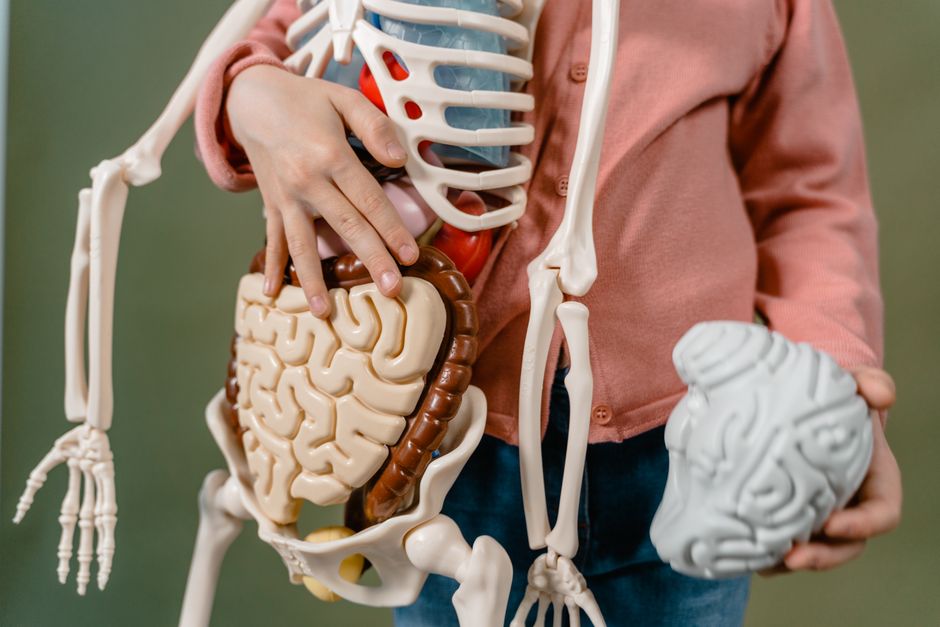
The digestive system is the body’s food-processing plant. It breaks down the food you eat into tiny nutrients your body can absorb and use for energy, growth, and cell repair. It also works to eliminate the waste your body cannot use. This process is not just about digestion; it is the fundamental way your body gets the fuel and building blocks it needs to function every single day.
How Digestion Works From Start to Finish
Digestion begins before you even take a bite. The sight or smell of food triggers your salivary glands to produce saliva. This is the first step in a long journey that involves multiple organs working together in a coordinated sequence.
The process moves food through the gastrointestinal tract, a long muscular tube that runs from your mouth to your anus. Each section has a specific job. The mouth chews and mixes food with saliva. The stomach churns it with strong acids. The small intestine finishes the breakdown and absorbs nutrients. The large intestine absorbs water and forms waste. This entire journey takes anywhere from 24 to 72 hours depending on the person and the type of food consumed.
What Does The Digestive System Do For The Body
The primary job of the digestive system is to convert food into usable nutrients. Proteins become amino acids. Carbohydrates become simple sugars like glucose. Fats become fatty acids and glycerol. These smaller molecules can then pass through the intestinal wall and enter the bloodstream.
Once in the blood, these nutrients travel to every cell in your body. Glucose provides immediate energy. Amino acids build and repair muscle tissue. Fatty acids support cell membranes and hormone production. Without this breakdown process, even the healthiest food would pass through your body completely unused. The digestive system is the gateway between the food you eat and the nutrients your body actually receives.
The Small Intestine: Where Most Absorption Happens
The small intestine is the star of the digestive show. Despite its name, it is about 20 feet long and coiled inside your abdomen. Its inner surface is lined with tiny finger-like projections called villi. These increase the surface area for absorption dramatically.
The small intestine is where the vast majority of nutrient absorption occurs. It receives digestive enzymes from the pancreas and bile from the liver to finish breaking down food. The villi then capture the resulting nutrients and shuttle them into your bloodstream. Without a healthy small intestine, your body cannot get the nutrients it needs no matter how well you eat.



The Liver, Gallbladder, and Pancreas: The Support Team
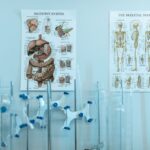
These three organs do not touch food directly, but digestion would fail without them. The liver produces bile, a substance that helps break down fats. The gallbladder stores this bile and releases it when fat enters the small intestine. The pancreas produces digestive enzymes that break down proteins, carbohydrates, and fats.
The liver also acts as the body’s chemical factory. It processes nutrients after they are absorbed and filters toxins from the blood. It stores vitamins and glycogen for later use. The liver is so important that it performs over 500 different functions in the body. When these support organs are healthy, digestion runs smoothly. When they are not, problems appear quickly.
Why the Gut Microbiome Matters
Your digestive tract is home to trillions of bacteria, fungi, and other microbes. Together these are called the gut microbiome. This community of microorganisms is not just a passenger. It actively participates in digestion and health.
These microbes ferment undigested fiber and produce beneficial compounds like short-chain fatty acids. These compounds feed the cells lining your colon and support immune function. The microbiome also helps synthesize certain vitamins, including vitamin K and some B vitamins. Research continues to explore how the gut microbiome influences everything from mood to metabolism. What is clear is that a diverse and balanced microbiome supports better digestive health.
Signs Your Digestive System May Need Attention
Your digestive system gives signals when something is off. Persistent bloating, gas, constipation, diarrhea, or heartburn can all indicate that digestion is not working optimally. Occasional discomfort is normal. Ongoing symptoms are not.
Some signs warrant a conversation with a healthcare provider. Unexplained weight loss, blood in the stool, severe abdominal pain, or changes in bowel habits that last more than a few weeks should not be ignored. These symptoms can indicate conditions that need proper diagnosis. Do not self-diagnose based on internet research. A medical professional can determine whether your symptoms are from diet, stress, or an underlying condition.
Simple Habits That Support Healthy Digestion
You cannot control every aspect of your digestive health, but several habits are backed by solid evidence. Eating a diet rich in fiber from fruits, vegetables, legumes, and whole grains supports regular bowel movements and feeds beneficial gut bacteria. Staying hydrated helps fiber do its job and keeps stool soft.
Eating slowly and chewing thoroughly gives your stomach an easier job. Regular physical activity stimulates intestinal contractions and supports healthy motility. Managing stress matters too because the gut and brain are directly connected through the vagus nerve. Stress can slow or speed up digestion in ways that cause discomfort. These habits do not guarantee perfect digestion, but they create conditions where your digestive system can do its job well.
When Digestion Goes Wrong
Digestive disorders are common. Conditions like irritable bowel syndrome, gastroesophageal reflux disease, and inflammatory bowel disease affect millions of people. Each has different mechanisms and requires different management approaches.
The evidence for dietary approaches varies by condition. Some people benefit from eating smaller meals more frequently. Others find relief by identifying specific trigger foods. For conditions like celiac disease, avoiding gluten is medically necessary. For others, the approach is more individualized. If you receive a digestive diagnosis, work with your healthcare team to develop a plan based on your specific situation. What works for one person may not work for another.
What the Digestive System Does Not Do
It is worth clarifying what digestion does not do. The digestive system does not detoxify your body in the way many marketing claims suggest. Your liver and kidneys handle toxin removal. Juice cleanses and detox teas do not enhance this process in any proven way.
The digestive system also cannot absorb nutrients from food that is not properly broken down. This is why chewing matters. Large food particles are harder for enzymes to access. And the digestive system does not selectively absorb “good” nutrients while blocking “bad” ones. It absorbs what is available based on the food you eat and the health of your intestinal lining. Eating a varied, nutrient-dense diet is the most reliable way to ensure your digestive system has what it needs to support your body.
Frequently Asked Questions
How long does food take to digest?
Food typically takes 24 to 72 hours to move through the entire digestive tract. The exact time depends on the person and the types of food eaten.
What organs make up the digestive system?
The digestive system includes the mouth, esophagus, stomach, small intestine, large intestine, liver, gallbladder, and pancreas. Together these organs break down food, absorb nutrients, and eliminate waste.
Can stress affect digestion?
Yes, stress can slow or speed up digestion through the gut-brain connection. This can cause symptoms like stomach pain, bloating, or changes in bowel habits.
Is fiber important for digestion?
Fiber is essential for healthy digestion because it adds bulk to stool and feeds beneficial gut bacteria. Most adults do not get enough fiber in their daily diet.
