
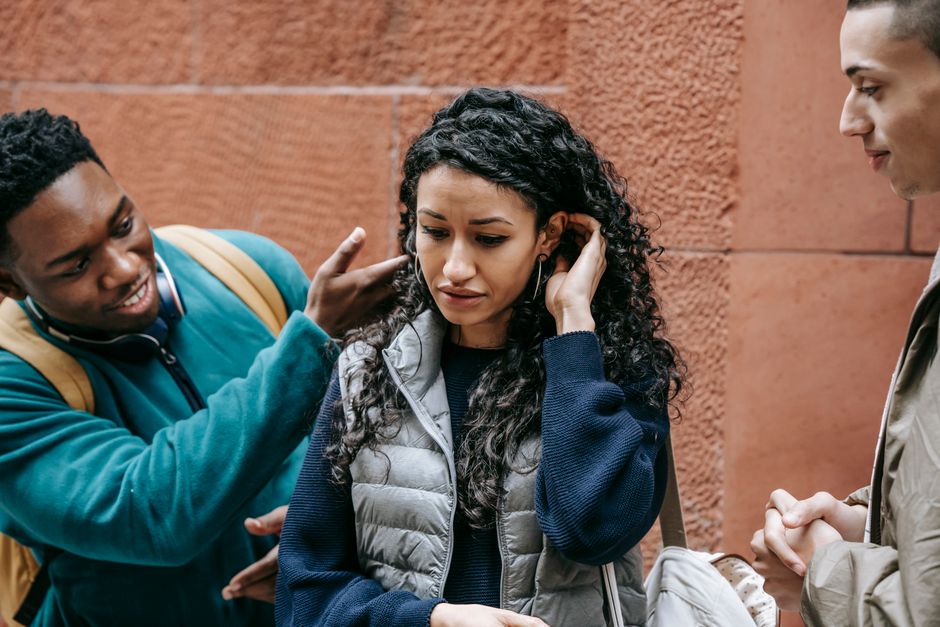
Most people who smoke started as teenagers, and most of them did not start alone. They started in a group — at a party, behind a school building, on a break at a first job — because smoking was the price of belonging. Peer pressure works less through a single dare and more through small, repeated signals: who smokes, who gets included, and what feels normal in that circle. The good news is that the mechanisms that pull people toward smoking can be turned around. Refusal skills, awareness of how pressure actually operates, and a few practical exit lines make resisting far easier than most people expect.
How Peer Pressure Leads To Smoking And How To Resist?
Peer pressure leads to smoking mainly through social modeling, the desire to fit in, and the brain’s sensitivity to reward and acceptance during adolescence and young adulthood. Resisting it works best when a person recognizes those pressures early, practices specific refusal responses, and builds social connections where not smoking is the norm.
The pull is not imaginary. Research on adolescent behavior consistently shows that having friends who smoke is one of the strongest predictors of starting to smoke. That does not mean every teen with smoking friends will start. It means the social environment shapes the odds in a measurable way.
What makes peer pressure so effective is that it rarely announces itself. A friend lighting up and offering the pack is one version. But so is sitting in a car where everyone else smokes, or feeling like the only person at a table who steps outside. The pressure is often the quiet expectation that you will join in — not a demand.
Why Do Teenagers Give In To Smoking So Easily?
The adolescent brain is wired to weight social reward heavily. During the teen years, the brain’s reward system becomes highly responsive to peer approval, while the regions that regulate impulse control are still maturing. That mismatch is normal development, not a flaw. It also means the desire to fit in can temporarily outweigh concerns about long-term health, which feels abstract to a 15-year-old.
Nicotine adds a second layer. It reaches the brain within seconds of inhaling and triggers dopamine release, the same chemical involved in feelings of reward and pleasure. That quick hit can make the first few cigarettes feel genuinely good — or at least less bad than expected. The brain begins to link smoking with social ease and reward.
There is also the matter of identity. For many young people, smoking becomes part of how they see themselves — the rebel, the relaxed one, the person who belongs to this group. Once smoking is tied to identity, quitting is not just about nicotine. It is about who you think you are.
What Does Peer Pressure Actually Look Like?
Peer pressure is not always a person holding out a cigarette and saying “come on.” It shows up in several forms, and recognizing them is the first step to resisting.
- Direct offers: A friend or acquaintance hands you a cigarette and expects you to take it.
- Modeling: Watching people you admire or want to impress smoke, which makes the behavior seem normal and desirable.
- Social inclusion: The smokers gather in a group, and stepping outside with them becomes the way to be part of the conversation.
- Teasing or exclusion: Comments like “you’re no fun” or being left out of a group activity because you don’t smoke.
- Perceived norms: Believing that “everyone smokes” when in reality most people do not. The perception of what is normal can be more powerful than the reality.
That last point matters more than people realize. Research on social norms suggests that teens often overestimate how many of their peers smoke and how much they approve of it. Correcting that misperception — realizing that the majority do not smoke — reduces the sense that smoking is the expected thing to do.





Why Is “Just Say No” Not Enough?
Telling someone to “just say no” assumes the problem is a single moment of weakness. It is not. The pressure is ongoing, social, and tied to relationships that matter. A flat refusal can feel like rejecting the person, not just the cigarette, and that is hard for anyone — especially a teenager who depends on that group for belonging.
What works better is having a repertoire of responses that protect the relationship while still saying no. The goal is not to win an argument. It is to make not smoking feel easy and unremarkable.
How Can You Resist Smoking Pressure In The Moment?
Having a few ready-made lines takes the panic out of the moment. The key is to say no clearly, keep it short, and not over-explain. Long justifications invite debate.
- “No thanks, I’m good.” Simple, casual, and hard to argue with.
- “I don’t smoke.” A statement of identity rather than a rejection of the person.
- “I’m trying to get in shape” or “I’ve got practice later.” A reason tied to something you care about, which shifts the focus away from the offer.
- “I’ll catch up with you after.” Keeps the connection without joining the cigarette.
- Change the subject. Ask about something else, suggest a different activity, or hand the conversation to someone else.
Practicing these lines out loud — even alone — makes them easier to say when it counts. Rehearsal is not silly. It is how the brain prepares for a social situation it finds stressful.
What if the pressure keeps coming?
If someone keeps pushing after a clear no, that is a signal about the relationship, not about you. You are allowed to walk away, leave the group, or spend time with people who do not make you feel bad for a decision about your own body. Peer pressure that ignores your no is not friendly teasing — it is disrespect.
How Do You Build Resistance Before The Pressure Hits?
The strongest protection against peer pressure is set up long before anyone offers you a cigarette. It comes from having a clear sense of your own reasons, a social circle that supports them, and skills for handling discomfort.
Know your reasons. People who can name why they do not want to smoke — health, sports, money, a family member who struggled with it — are more likely to hold their ground. Vague intentions are easier to abandon under pressure.
Choose your circle carefully. This is not about abandoning friends who smoke. It is about making sure you also have people in your life who do not, so that not smoking feels normal rather than odd.
Practice being uncomfortable. A lot of giving in comes from wanting the awkward moment to end. If you can tolerate a few seconds of silence or a little teasing without folding, you keep control of the decision.
Have an exit plan. Knowing how you will leave a situation — a text to a friend, a ride home, a reason to step away — makes it easier to remove yourself before you feel trapped.
What Should Parents Know About Peer Pressure And Smoking?
Parents often worry that talking about smoking will plant the idea. The evidence does not support that fear. Open, calm conversations about how peer pressure works and what to say in the moment tend to help, not hurt.
Research on parenting and adolescent substance use generally finds that warmth combined with clear expectations is associated with lower risk. That means being involved, knowing your child’s friends, and talking about real situations without lecturing. Scare tactics and rigid rules tend to backfire, especially with older teens.
It also helps to remember that most young people who try a cigarette do not become regular smokers. But the earlier someone starts, the more likely they are to continue — which is why preventing that first cigarette matters so much. Nicotine dependence can develop faster in adolescents than in adults, and the adolescent brain appears especially vulnerable to it.
What If You Have Already Started Smoking?
Starting does not mean you are stuck. Many people who smoke want to stop, and quitting at any age improves health. The challenge is that nicotine dependence makes quitting genuinely hard — not a matter of willpower alone.
Evidence-based help exists. Counseling, quitlines, and medications approved for smoking cessation are all supported by research, and combining counseling with medication tends to work better than either alone. If you are thinking about quitting, talking to a doctor or pharmacist is a reasonable first step. They can explain what options are available and which might suit your situation. No single approach works for everyone, and the evidence on which method is best for any one person is not definitive.
For someone still in the middle of peer pressure, the earlier message stands: the strongest defense is knowing how the pressure works, having your reasons clear, and practicing how you will say no before you need to.
Frequently Asked Questions
Why do teenagers start smoking because of peer pressure?
Teenagers are especially sensitive to social reward and peer approval, which can outweigh concerns about long-term health. Having friends who smoke is one of the strongest predictors of starting, partly because it makes smoking seem normal.
What is the best way to say no to a cigarette?
A short, casual refusal like “No thanks, I’m good” or “I don’t smoke” works well because it is clear and hard to argue with. Practicing the line ahead of time makes it easier to say under pressure.
Does peer pressure stop after the teenage years?
It can continue into adulthood, often through workplace or social groups where smoking is common. The same skills — clear refusal, knowing your reasons, and choosing supportive company — still apply.
Can you resist smoking pressure if your friends all smoke?
Yes, though it is harder, and having at least some friends who do not smoke makes resisting easier. If friends keep pushing after a clear no, that is a sign to step back from that situation.
