
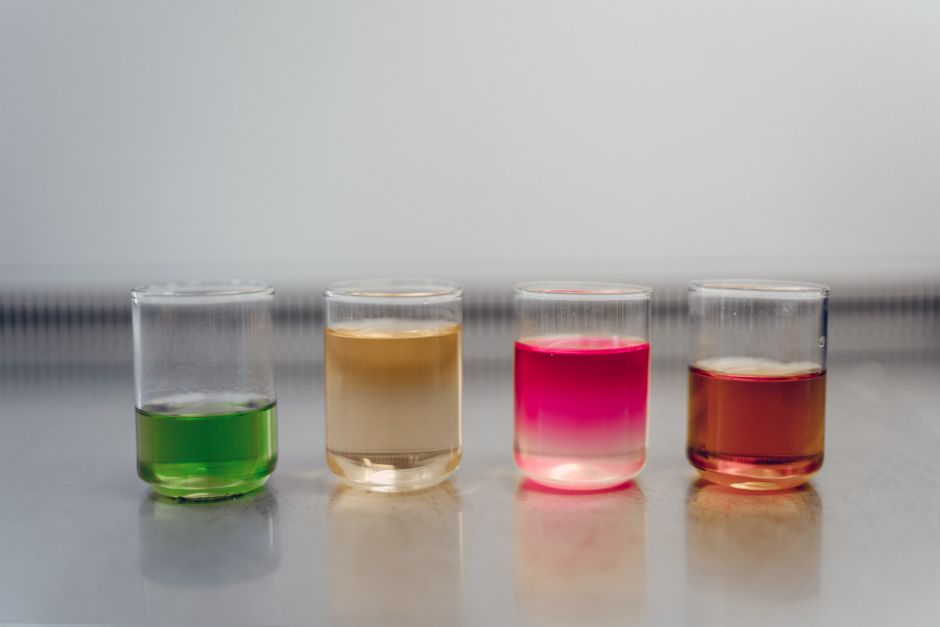
Healthy urine is usually pale yellow to light straw-colored. This color comes from a pigment called urochrome, which your body produces when it breaks down old red blood cells. The exact shade changes throughout the day based on how much fluid you drink, what you eat, and certain medications. Pale yellow means you are well hydrated. Dark amber means you need more fluids.
What Does Normal Urine Look Like?
Normal urine ranges from very light yellow to a deeper amber. The color depends mostly on concentration. When you drink plenty of water, your urine becomes dilute and looks almost clear or very pale yellow. When you are mildly dehydrated, your kidneys hold onto water, and your urine becomes more concentrated and darker.
This is a normal daily cycle. Your morning urine is often darker because you have not had fluids for several hours overnight. That is not a problem. What matters is the pattern across the whole day.
A useful way to think about it: your urine color is a rough dashboard of your hydration status. Pale yellow throughout the day usually means you are drinking enough. Consistently dark urine — not just first thing in the morning — suggests you need more fluids.
What Is A Healthy Urine Colour?
A healthy urine colour is pale yellow to light amber. This is the range that indicates normal hydration and normal kidney function. The color should be consistent throughout the day, with the morning sample being the darkest and the rest of the day staying in the pale-to-medium yellow range.
Urine that is completely clear all day can mean you are drinking more water than your body needs. This is not dangerous for most healthy people, but it is not necessary. Your kidneys are simply removing the excess water you consumed.
Urine that is consistently dark yellow or amber means your body is conserving water. This is the earliest visible sign of dehydration. It is not a medical emergency, but it is a signal to increase your fluid intake.
What Do Different Urine Colors Mean?
Urine color can shift for many reasons. Some are harmless. Some deserve attention. Here is what different colors generally indicate.
Clear — You are very well hydrated. This is fine, though it can mean you are drinking more than necessary.
Pale yellow to yellow — This is the healthy range. Normal hydration, normal kidney function.
Dark yellow or amber — Mild dehydration. Drink more water and see if it lightens.
Orange — Can be dehydration, but also can come from foods like carrots, vitamin B2 supplements, or the medication rifampin used for tuberculosis. If it persists after you hydrate and stop the food or supplement, mention it to your doctor.
Pink or red — This can be from eating beets, blackberries, or rhubarb. It can also be blood in the urine, which needs medical evaluation. If you have not eaten these foods and your urine is pink or red, see a doctor.
Brown or dark brown — Severe dehydration can cause this. Certain medications, fava beans, and some muscle injuries also cause brown urine. If you are not severely dehydrated, this warrants medical attention.
Blue or green — Rare. Usually from food dyes, certain medications, or medical conditions. Blue or green urine is uncommon enough that it is worth mentioning to your doctor.
Cloudy or foamy — Cloudy urine can indicate a urinary tract infection or kidney stones. Foamy urine can mean excess protein, which sometimes signals kidney disease. If either persists, get it checked.





What Causes Urine Color Changes?
Several factors change urine color beyond hydration. Foods are a common cause. Beets can turn urine pink or red. Carrots can make it orange. Asparagus can turn it greenish and also gives it a strong odor. These changes are harmless and temporary.
Medications affect urine color too. Some antibiotics, laxatives, and chemotherapy drugs change the color. If you start a new medication and notice a change, check the drug information sheet — many list urine color changes as an expected side effect.
Medical conditions can also cause color changes. Liver disease can cause dark brown urine. A urinary tract infection can make urine cloudy or bloody. Kidney disease can cause foamy or bloody urine. Gallbladder issues can cause dark urine with pale stools.
Viral health myths about urine color circulate online. One common myth is that bright yellow urine means you are unhealthy or that your body is “detoxing.” This is not accurate. Bright yellow urine is often just from vitamin B2 supplements or a highly concentrated urine sample. It is not a sign of toxicity or disease.
When Should You See a Doctor About Urine Color?
Most urine color changes are temporary and harmless. You should see a doctor if you notice any of the following:
- Blood in your urine — pink, red, or cola-colored urine that you cannot explain by food intake
- Dark brown urine that does not clear with hydration
- Cloudy urine with pain, burning, or fever
- Foamy urine that persists over several days
- Urine color change that lasts more than a few days without an obvious cause
Pain is a key signal. If you have burning with urination, pelvic pain, or flank pain along with abnormal urine color, see a doctor promptly. These symptoms together suggest an infection or kidney stone.
Blood in the urine always deserves attention. Even if it appears only once and resolves, it can indicate an underlying issue that needs evaluation. This is not something to wait on.
How Much Water Should You Drink for Healthy Urine?
The general guidance for healthy adults is about 8 cups of fluid daily, but this is not a strict rule. Your needs depend on your body size, activity level, climate, and how much you sweat. A better guide is your urine color itself.
If your urine is consistently pale yellow, you are likely drinking enough. If it is dark amber, increase your fluid intake. If it is completely clear, you can reduce your intake slightly.
No clinical guidelines currently exist for a specific urine color target, because healthy ranges vary by person. The practical approach is simple: aim for pale yellow most of the day, and use darker urine as your cue to drink more.
One caution: if you have heart failure, kidney disease, or a condition that requires fluid restriction, do not increase your fluids based on urine color. Follow your doctor’s fluid guidance instead.
Does Urine Odor Matter?
Urine odor is less informative than color, but it can offer clues. A mild ammonia smell is normal, especially in concentrated urine. Certain foods change the smell — asparagus is the most famous example. Coffee can also affect urine odor.
A sweet or fruity odor can indicate high blood sugar, which is a sign of poorly managed diabetes. A strong, foul odor with cloudy urine can indicate a urinary tract infection. If you notice either of these, especially with other symptoms, see a doctor.
Urine odor alone, without other symptoms, is rarely a reason for concern. It is usually a reflection of what you ate or how concentrated your urine is.
Frequently Asked Questions
What color should healthy urine be?
Healthy urine is pale yellow to light amber. This range indicates normal hydration and normal kidney function.
Is clear urine healthy?
Clear urine means you are very well hydrated, which is fine, though it can mean you are drinking more water than your body needs.
What does dark yellow urine mean?
Dark yellow or amber urine means mild dehydration. Drink more fluids and the color should lighten within a few hours.
When should I worry about urine color?
See a doctor if you have pink or red urine you cannot explain by food, dark brown urine that does not clear with hydration, or cloudy urine with pain or fever.
