
Smoking damages your lungs with every inhale, and no habit, supplement, or diet can fully undo that damage. The only way to truly keep your lungs healthy is to stop smoking entirely. If you are not ready to quit, you can still take steps to reduce additional harm, protect your lung function, and prepare your body for a healthier future.
How To Keep Your Lungs Healthy While Smoking
The honest answer is that you cannot keep your lungs fully healthy while you continue to smoke. Cigarette smoke contains thousands of chemicals, many of which are known to damage lung tissue, inflame airways, and increase cancer risk. What you can do is reduce the rate of damage, manage symptoms, and improve your overall respiratory health so your lungs are in better condition when you are ready to quit.
Focus on three main areas: reducing how much smoke enters your lungs, supporting your lung function with physical activity, and removing other environmental toxins from your air. None of these make smoking safe. They simply reduce the added burden on your respiratory system.
Does Drinking Water or Eating Certain Foods Help?
Staying hydrated helps keep the mucus in your airways thinner and easier to clear. Smoking irritates your airways and increases mucus production, which is why many smokers have a chronic cough. Drinking enough water throughout the day can make that mucus less sticky and more manageable when you cough it up.
No food or supplement has been proven to protect lungs from cigarette smoke. Some antioxidants, like vitamin C and vitamin E, are often discussed in this context because smoking depletes them. The evidence that taking these supplements prevents lung damage is weak. Eating a diet rich in fruits and vegetables is generally good for your health, but it will not shield your lungs from the chemicals in tobacco smoke.
Does Exercise Help Smokers’ Lungs?
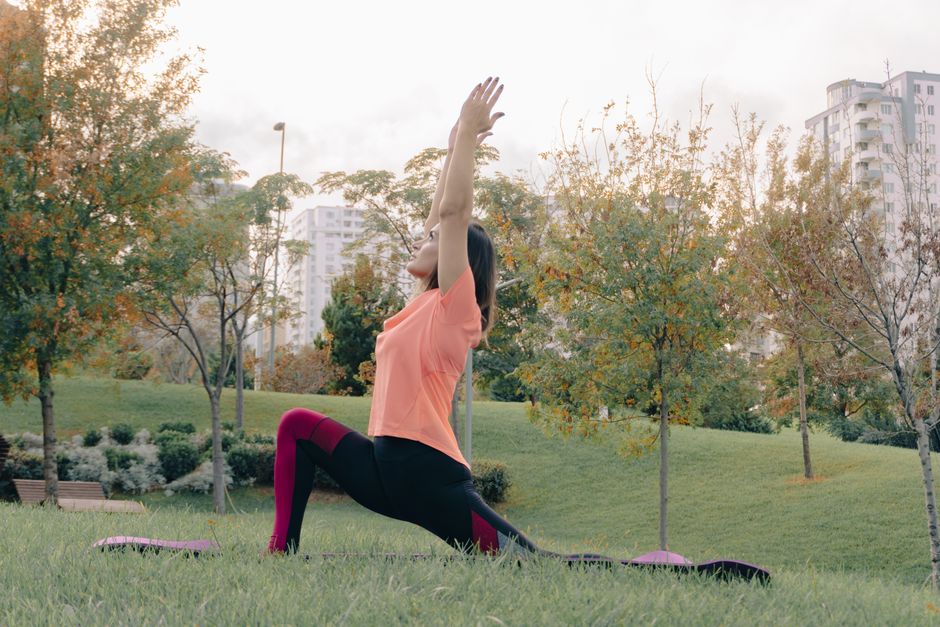
Regular physical activity strengthens your heart and your respiratory muscles, which can improve how efficiently your body uses oxygen. Smokers who exercise often report less shortness of breath during daily activities. This does not mean their lungs are undamaged. It means their cardiovascular system is better able to compensate.
Aerobic exercise like walking, swimming, or cycling improves your lung capacity and endurance. Start slowly if you are new to exercise. Pay attention to how you feel. If you experience chest pain, severe breathlessness, or dizziness, stop and talk to a doctor.
Exercise also helps clear mucus from your airways. When you are active, you breathe more deeply, which can help move secretions out of the smaller airways. Some smokers notice they cough more after starting an exercise program. This is often the lungs clearing out accumulated mucus and is generally a temporary phase.




Should You Switch to Vaping or Heated Tobacco Products?
Vaping is not a safe alternative to smoking. E-cigarettes deliver nicotine and other chemicals into your lungs, and research has linked them to lung injury and respiratory symptoms. Heated tobacco products are marketed as less harmful, but they still expose your lungs to toxic substances. The evidence is not strong enough to recommend either as a way to protect your lungs.
If you are using vaping as a step toward quitting entirely, that is a different conversation. Some people use nicotine replacement therapy under medical supervision to quit. But continuing to inhale anything other than clean air carries risk. The safest choice for your lungs is to inhale nothing but air.
Can You Reverse Lung Damage From Smoking?
Some damage is reversible after you quit. The small hair-like structures in your airways, called cilia, begin to recover within weeks of stopping. These cilia help sweep mucus and debris out of your lungs. When they recover, you may cough more at first as your lungs clear out the buildup.
Other damage is permanent. Smoking destroys the tiny air sacs in your lungs called alveoli. Once these are destroyed, they do not grow back. This is why long-term smokers can develop chronic obstructive pulmonary disease (COPD), a condition that causes progressive shortness of breath.
The earlier you quit, the more lung function you preserve. Even people who have smoked for decades see benefits after quitting. Lung function decline slows to a rate similar to non-smokers, and the risk of lung cancer drops substantially over time. It is never too late to stop.
What About Breathing Exercises and Lung Cleansing?
Breathing exercises can improve how efficiently you use the lung capacity you have. Techniques like pursed-lip breathing and diaphragmatic breathing are often taught to people with COPD to help manage breathlessness. They do not remove toxins from your lungs. Your lungs have their own cleaning system that works best when you stop exposing them to smoke.
Be skeptical of products or programs that claim to “detox” or “cleanse” your lungs. No tea, steam treatment, or herbal supplement has been shown to remove tar or chemicals from lung tissue. Steam inhalation may temporarily soothe irritated airways, but it does not reverse damage. The only proven way to let your lungs clean themselves is to stop adding smoke to them.
How Does Smoking Actually Damage Your Lungs?
Understanding the mechanism helps explain why some measures help and others do not. Cigarette smoke contains irritants that inflame the lining of your airways. This inflammation causes swelling and increases mucus production. Over time, the airways thicken and narrow, making it harder to breathe.
The chemicals in smoke also paralyze and destroy cilia. Without functioning cilia, mucus and trapped particles stay in your lungs longer. This creates a breeding ground for infection and contributes to the chronic cough many smokers experience.
Smoke damages the alveoli, the tiny sacs where oxygen and carbon dioxide are exchanged. As these sacs break down, your lungs lose surface area for gas exchange. This is why long-term smokers often feel short of breath even during simple activities. The damage is cumulative and directly related to how many years you have smoked and how much you smoke per day.
What Steps Can You Take Today?
If quitting feels overwhelming, start with small changes that reduce your exposure. Smoke fewer cigarettes per day. Do not hold the smoke in your lungs longer than necessary. Smoke outdoors rather than indoors to avoid secondhand exposure to others and to reduce the concentration of toxins you inhale.
Make your environment as clean as possible. Avoid other air pollutants like dust, mold, and chemical fumes. Use a high-quality air filter in your home if you live in an area with poor air quality. These steps do not make smoking safe, but they reduce the total burden on your lungs.
Schedule a checkup with your doctor. A simple breathing test called spirometry can measure how well your lungs are working. Your doctor can also discuss smoking cessation options, including nicotine replacement therapy and prescription medications that can double your chances of quitting successfully.
Is It Worth Quitting Even After Years of Smoking?
Yes. The benefits of quitting begin almost immediately. Within days, carbon monoxide levels in your blood drop to normal. Within weeks, your circulation improves and your cilia begin to recover. Within months, coughing and shortness of breath often decrease.
Long-term benefits are even more significant. After 10 years of not smoking, the risk of dying from lung cancer drops to about half that of a continuing smoker. The risk of heart attack also drops substantially. Even if you already have some lung damage, quitting slows further decline and improves your quality of life.
Quitting is the single most effective thing you can do for your lung health. Nothing else comes close. If you are not ready to quit today, use the strategies above to reduce additional harm. But keep quitting as your long-term goal. Your lungs will thank you for every smoke-free day.
Frequently Asked Questions
Can exercise undo lung damage from smoking?
Exercise cannot undo damage that is already done, but it strengthens your heart and respiratory muscles, which can improve your endurance and reduce breathlessness. The damage to lung tissue itself is permanent.
Do lung cleansing products work?
No clinical evidence confirms that any tea, supplement, or detox product removes tar or chemicals from your lungs. Your lungs have a natural cleaning system that works best when you stop smoking.
Is vaping safer for your lungs than smoking?
Vaping is not proven to be safe and carries its own risks, including lung injury and respiratory symptoms. It exposes your lungs to nicotine and other chemicals, so it is not a safe alternative to quitting entirely.
How long after quitting do lungs start to heal?
Within weeks of quitting, your cilia begin to recover and your lungs start clearing out mucus. Lung function decline slows to a rate similar to non-smokers, and some improvements continue for years.
