
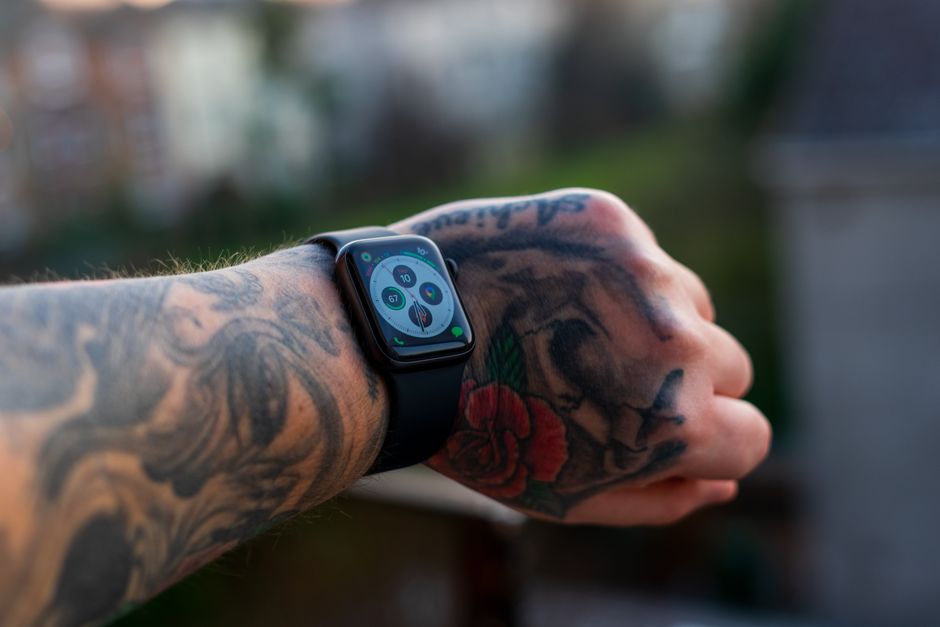
Yes, tattoos on the wrist hurt. In fact, most people find the wrist to be one of the more painful spots to get tattooed. This is not a myth. The area has very little fat and muscle to cushion the needle, and the skin sits directly on top of bone. You will feel the vibration and the impact of the needle more intensely here than on a fleshy area like your upper arm or thigh.
The good news is that the pain is temporary. A wrist tattoo is usually a smaller piece, so the worst part often passes in a matter of minutes. Knowing exactly why it hurts and what to expect can help you manage the experience and walk in prepared.
Why Is the Wrist So Sensitive for Tattoos?
The pain you feel during a tattoo comes from the needle piercing the dermis, the second layer of skin. Your skin is packed with nerve endings that send pain signals to your brain when they are disturbed. The wrist is one of the most nerve-dense areas on your body.
There is also very little padding. The skin on the inside of your wrist is thin and sits almost directly on the radius bone. When the tattoo needle hits that area, the impact reverberates off the bone. This creates a sharper, more intense sensation than you get in areas with a layer of muscle or fat to absorb the shock.
Some research suggests that areas with thinner skin and more nerve endings are naturally more sensitive to pain. This is why the ribs, the collarbone, and the feet are also considered high-pain zones. The wrist fits squarely into that category.
Does the Inner Wrist Hurt More Than the Outer Wrist?
Yes, the inner wrist is generally more painful than the outer wrist. The skin on the inside of your wrist is thinner and more delicate. It also has a higher concentration of nerve endings, making it more sensitive to the needle.
The outer wrist, or the top of the arm near the hand, has slightly tougher skin. It still hurts because the bone is close to the surface, but most people report that it feels less intense than the inner side. If your design wraps around the entire wrist, expect the inside portion to be the most uncomfortable part of the session.
What Does Wrist Tattoo Pain Actually Feel Like?
People describe the sensation in different ways. Some say it feels like a sharp cat scratch. Others describe it as a burning or stinging sensation. Because the needle is hitting close to the bone, you may also feel a buzzing or vibrating sensation that travels up your arm.
The outline phase usually hurts the most. The artist uses a single needle or a small grouping of needles to create the lines, which concentrates the pressure into a tiny area. Once the artist switches to shading or filling, the sensation often becomes more tolerable. A larger needle group spreads the impact over a wider surface, which can feel less sharp.





How Long Does the Pain Last?
The actual tattooing process is the most intense part. For a small wrist design, the needle work might only take 15 to 30 minutes. The pain stops as soon as the needle lifts off your skin.
After the session, the area will feel sore and tender. This is similar to a bad sunburn or a bruise. The soreness usually peaks within the first 24 hours and fades significantly over the next few days. Most people find the area feels normal within a week, though the skin may remain sensitive to touch for a little longer.
Can You Numb the Wrist Before a Tattoo?
Yes, topical numbing creams are available and are commonly used. These creams contain ingredients like lidocaine, which temporarily block the nerve signals in the skin. They are applied to the area about 30 to 45 minutes before the tattoo begins, and the artist covers the skin with plastic wrap to help the cream absorb.
You should always ask your tattoo artist before using a numbing product. Many artists have a preferred brand or method. Some artists prefer not to use them because the cream can change the texture of the skin, which may make it slightly harder to apply the ink evenly. If you have sensitive skin or allergies, talk to your artist and your doctor before using any numbing agent.
It is also worth noting that numbing creams reduce surface pain, but they may not completely block the deep vibration you feel when the needle hits the bone. The pain is usually significantly reduced, but not always eliminated entirely.
Does Placement on the Wrist Matter?
Yes, the exact spot on your wrist changes the pain level. The area closest to the hand, where the wrist meets the palm, is often the most tender. The skin there is thin and moves a lot.
The area just above the wrist bone, on the forearm side, is usually a bit more comfortable. The skin is slightly thicker, and there is a tiny bit more tissue over the bone. Designs that sit on the side of the wrist, over the ulna bone, can also be quite sharp because the bone is very prominent there.
Your artist will also need to stretch the skin to get a clean line. On the wrist, the skin is loose and moves easily. This stretching adds a little extra discomfort, but it is necessary for a good result.
What Factors Make Wrist Tattoos Hurt More?
Your personal pain tolerance is the biggest factor. Some people handle the sensation easily, while others find it difficult. This is not a sign of weakness. Pain perception is highly individual and is influenced by your genetics, your stress level, and even how much sleep you got the night before.
Your hydration and blood sugar levels also matter. If you are dehydrated or hungry, your body is less equipped to handle pain. You may feel lightheaded or more sensitive to the needle. Eating a solid meal and drinking water before your appointment can genuinely reduce the intensity of the experience.
Anxiety also amplifies pain. If you go into the appointment expecting the worst, your body tenses up. Tensed muscles make the skin tighter and the needle feel sharper. Taking slow, deep breaths during the process helps keep your body relaxed.
How to Prepare for a Wrist Tattoo
Preparation starts at least a day before your appointment. Get a full night of sleep. Avoid alcohol for at least 24 hours beforehand, as it thins your blood and can make you more sensitive to pain. Avoid caffeine right before the session, as it can make you jittery.
Wear loose clothing that is easy to roll up or remove. You want the artist to have full access to your wrist without you having to hold a tight sleeve out of the way for the entire session.
During the tattoo, communicate with your artist. If you need a break, say so. It is better to pause for 30 seconds than to sit there in misery. Most artists are happy to stop and let you catch your breath.
Is Aftercare More Difficult on the Wrist?
Yes, aftercare requires a little more attention because the wrist is constantly moving. You use your hands and wrists for almost everything, so the tattoo will be stretched and flexed throughout the day. This is normal and does not ruin the tattoo, but it can make the area feel more irritated during the healing process.
Keep the tattoo moisturized but not soaked. Wash it gently with unscented soap and water. Avoid submerging it in water, like in a bath or a pool, until it is fully healed. Also, be careful with watches, bracelets, and long sleeves that can rub against the fresh tattoo and irritate it.
Swelling is also common on the wrist. Because the area has little fat, it can swell more noticeably than other body parts. Keeping your hand elevated when you are resting can help reduce this swelling. If the swelling is severe or accompanied by redness and heat, contact your artist or a doctor, as this could be a sign of infection.
Is the Wrist a Good Place for a First Tattoo?
It depends on your pain tolerance. If you are nervous about pain, the wrist may not be the easiest introduction to tattooing. The upper arm, the outer thigh, or the calf are generally considered less painful first-tattoo locations because they have more tissue over the bone.
That said, many people get a wrist tattoo as their first one and handle it fine. The session is short, and the design is usually small. If you have your heart set on a wrist tattoo, go for it. Just go in knowing that it will be intense for a short period. The result is often worth the temporary discomfort.
Frequently Asked Questions
Does a wrist tattoo hurt more than an arm tattoo?
Yes, a wrist tattoo generally hurts more than an upper arm tattoo. The wrist has thin skin and sits close to the bone, while the upper arm has more muscle and fat to cushion the needle.
How long does wrist tattoo pain last?
The sharp pain stops as soon as the needle is lifted. The area will feel sore and tender for a few days, similar to a bruise, and most of the soreness fades within a week.
Can I use numbing cream for a wrist tattoo?
Yes, topical numbing creams with lidocaine can reduce the pain. Ask your tattoo artist first, as some artists prefer not to use them because they can change the texture of the skin.
What part of the wrist hurts the most to tattoo?
The inner wrist, near the palm, is usually the most painful spot. The skin is thinnest there and the bone is very close to the surface.
