
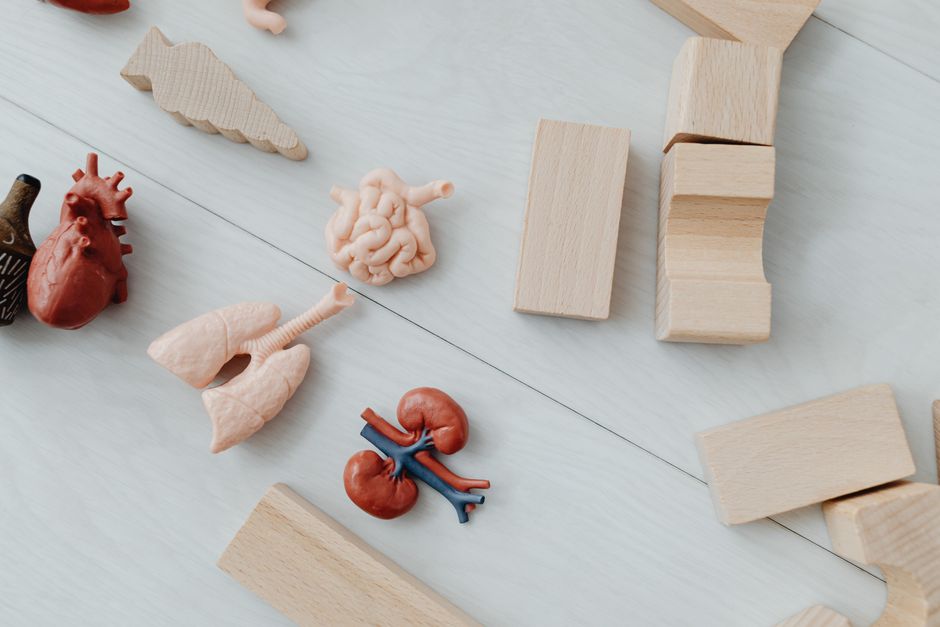
Your kidneys do a lot more than filter waste. They are the main control center for long-term blood pressure regulation. They manage this by controlling the amount of fluid in your blood and by releasing hormones that tighten or relax your blood vessels. When your blood pressure drops, the kidneys hold onto water and salt to increase blood volume. When it rises too high, they flush out extra fluid to bring pressure back down.
How Do The Kidneys Regulate Blood Pressure Through Fluid Balance?
The simplest way to think about blood pressure is like a garden hose. More water in the hose means higher pressure. Less water means lower pressure. Your kidneys work the same way with your blood.
Your kidneys filter about 180 liters of fluid every day. Most of that gets reabsorbed back into your blood. But the exact amount depends on what your body needs at that moment. If you are dehydrated or have low blood pressure, the kidneys reabsorb more water and sodium. This increases your total blood volume.
More blood volume means more pressure against your artery walls. So your blood pressure goes up. When your blood pressure is high, the kidneys do the opposite. They let more water and sodium leave your body through urine. Blood volume drops and pressure follows.
This system is not instant. It takes hours to days to fully adjust. That is why it handles long-term blood pressure regulation rather than quick changes from standing up or exercising.
What Hormones Do the Kidneys Use to Control Blood Pressure?
Your kidneys release several key hormones that directly affect blood pressure. The most important one is renin.
When kidney cells sense low blood pressure, they release renin into your bloodstream. Renin starts a chain reaction called the renin-angiotensin-aldosterone system. This is often shortened to RAAS.
The chain works like this. Renin turns a protein in your blood called angiotensinogen into angiotensin I. An enzyme in your lungs then converts that into angiotensin II. Angiotensin II is a powerful vasoconstrictor. It squeezes your blood vessels tighter. Smaller tubes mean higher pressure.
Angiotensin II also triggers the release of aldosterone from your adrenal glands. Aldosterone tells your kidneys to hold onto more sodium and water. That increases blood volume even further. Together, vasoconstriction and increased volume raise blood pressure effectively.
When blood pressure returns to normal, the kidneys stop releasing renin. The system shuts off until it is needed again.
How Do the Kidneys Work With Other Organs to Regulate Blood Pressure?
The kidneys do not work alone. They communicate constantly with your heart, brain, and blood vessels.
Your brain sends nerve signals to the kidneys through the sympathetic nervous system. If your blood pressure drops suddenly, your brain tells the kidneys to release more renin. It also signals the kidneys to reduce blood flow through the filtration system. This keeps more fluid in circulation.
Your heart releases a hormone called atrial natriuretic peptide when its chambers are stretched from high blood volume. This hormone travels to the kidneys and tells them to flush out more sodium and water. It is the direct opposite of aldosterone. It is the body’s natural way to lower blood pressure when volume gets too high.
The kidneys also produce a hormone called erythropoietin, or EPO. This stimulates red blood cell production. More red blood cells make the blood thicker and slightly harder to push through vessels. This has a minor effect on blood pressure over time.





Can Kidney Disease Cause High Blood Pressure?
Yes. This is one of the most common and serious connections between kidney function and blood pressure. When kidneys are damaged, they cannot regulate fluid and sodium properly. Fluid builds up. Blood volume increases. Pressure rises.
Damaged kidneys also release too much renin. The RAAS system becomes overactive. Blood vessels stay constricted when they should relax. This creates a cycle where high blood pressure damages the kidneys further, and damaged kidneys make blood pressure even harder to control.
This is why doctors check kidney function in people with high blood pressure. A simple blood test for creatinine and a urine test for protein can reveal early kidney damage. Catching it early matters because controlling blood pressure can slow or stop further kidney damage.
What Medications Target the Kidney-Blood Pressure Connection?
Several common blood pressure medications work directly on the kidney system. Understanding how they work helps you see why doctors prescribe them.
ACE inhibitors block the enzyme that converts angiotensin I into angiotensin II. Less angiotensin II means less vasoconstriction and lower pressure. These drugs end in -pril, like lisinopril or enalapril.
ARBs block angiotensin II from attaching to receptors on blood vessels. The effect is similar to ACE inhibitors but through a different mechanism. These end in -sartan, like losartan or valsartan.
Diuretics make the kidneys flush out more sodium and water. Less fluid means lower blood volume and lower pressure. These are often called water pills. Hydrochlorothiazide is a common one.
Each of these medications targets a specific step in how the kidneys regulate blood pressure. That is why they are often the first choice for treating hypertension.
Does Salt Intake Affect How the Kidneys Regulate Blood Pressure?
Yes. Sodium is the main driver of fluid balance in the kidneys. Your kidneys use sodium to pull water into or out of your bloodstream.
When you eat a lot of salt, your blood sodium level rises. Your kidneys hold onto more water to dilute that sodium. Blood volume increases. Blood pressure goes up. For people whose kidneys are sensitive to salt, this effect is stronger.
Some people are more salt-sensitive than others. Age, genetics, and existing kidney function all play a role. Black Americans and older adults tend to be more salt-sensitive on average. For these groups, cutting salt has a bigger effect on blood pressure.
The kidneys can adapt to high salt intake over time by excreting more sodium. But this takes time and does not work as well in damaged kidneys. Most dietary guidelines recommend keeping sodium under 2,300 milligrams per day. For people with high blood pressure, under 1,500 milligrams is often recommended.
How Does Dehydration Affect Kidney Blood Pressure Regulation?
Dehydration is a direct stress test for the kidney blood pressure system. When fluid intake drops, blood volume falls. The kidneys sense this and activate the RAAS system immediately.
Renin and angiotensin II levels rise. Blood vessels constrict to maintain pressure despite lower volume. Aldosterone tells the kidneys to reabsorb nearly all the sodium and water passing through. Urine becomes dark and concentrated because the kidneys are holding onto every drop they can.
This system works well for short-term dehydration. But chronic low fluid intake keeps the RAAS system active for too long. Over time, this can contribute to sustained high blood pressure and kidney strain. Staying hydrated helps the kidneys keep blood pressure stable without working as hard.
Frequently Asked Questions
Can the kidneys cause low blood pressure?
Yes. If the kidneys lose too much fluid or fail to activate the RAAS system properly, blood pressure can drop too low. This can happen with certain kidney diseases, adrenal insufficiency, or overuse of diuretics.
How long does it take for the kidneys to adjust blood pressure?
The RAAS hormone system responds within minutes to hours. But the full fluid balance adjustments from the kidneys take one to three days to reach a new steady state.
Does drinking more water lower blood pressure?
For people who are dehydrated, drinking water helps the kidneys normalize blood pressure. But for people with normal hydration, extra water does not significantly lower blood pressure on its own.
Can kidney function be improved to help blood pressure?
Controlling blood pressure is the most effective way to protect kidney function. Once kidney tissue is scarred, it does not regenerate. But slowing further damage is possible with medication, diet, and blood pressure control.
