
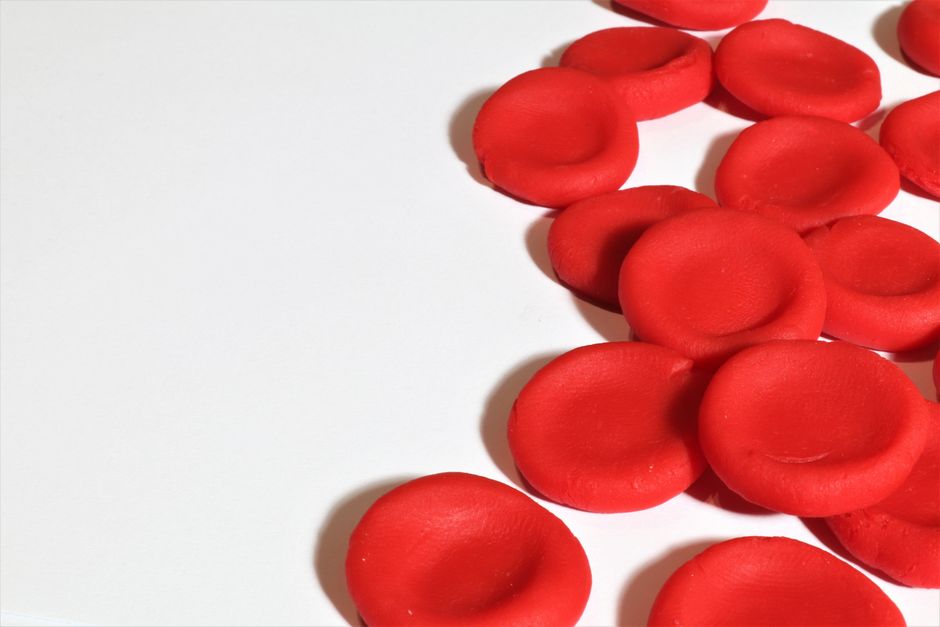
Red blood cells carry oxygen from your lungs to every tissue in your body and bring carbon dioxide back to your lungs to be exhaled. Without them your organs would suffocate within minutes. They are the most abundant cells in your blood — about 25 trillion in an average adult — and they live for roughly 120 days before your body replaces them.
What Exactly Do Red Blood Cells Do in the Body?
Red blood cells have one main job: gas transport. They pick up oxygen in the tiny air sacs of your lungs and deliver it to muscles organs and even your bones. On the return trip they collect carbon dioxide — a waste product from your cells — and carry it back to your lungs where you breathe it out.
This happens because red blood cells contain hemoglobin. Hemoglobin is a protein that binds oxygen tightly when oxygen levels are high (in the lungs) and releases it when oxygen levels are low (in your tissues). One red blood cell holds about 270 million hemoglobin molecules. That lets each cell carry up to a billion oxygen molecules at once.
Without this system your cells could not produce energy. Your brain would stop working in seconds. Your heart muscle would fail. Every function you take for granted — thinking moving digesting — depends on a steady supply of oxygen delivered by these cells.
What Happens When Red Blood Cell Count Is Too Low?
A low red blood cell count is called anemia. The World Health Organization defines anemia as a hemoglobin level below 13 grams per deciliter for men and below 12 for women. When you are anemic your tissues do not get enough oxygen.
The most common symptom is fatigue that does not match how much you slept or rested. You might also feel short of breath after light activity notice your skin looks pale or have a rapid heartbeat. Some people report dizziness cold hands and feet or headaches.
Anemia has many causes. Iron deficiency is the most common worldwide — your body needs iron to make hemoglobin. Vitamin B12 and folate deficiencies can also cause anemia because these vitamins are needed to produce red blood cells in your bone marrow. Chronic diseases like kidney disease or inflammatory conditions can interfere with red blood cell production. Blood loss from heavy menstruation ulcers or surgery drops your count quickly.
If you suspect anemia see a doctor for a complete blood count test. Do not self-treat with iron supplements unless a test confirms low iron. Too much iron damages your liver and heart.
What Happens When Red Blood Cell Count Is Too High?
A high red blood cell count is called polycythemia. It means your blood is thicker than normal which makes your heart work harder to pump it. This raises your risk of blood clots stroke and heart attack.
Normal ranges vary by lab but generally a red blood cell count above 6.1 million cells per microliter for men or 5.4 million for women is considered high. Some people have a naturally high count due to living at high altitude where oxygen is thinner — your body compensates by making more red cells. Smokers also tend to have higher counts because carbon monoxide from smoke binds to hemoglobin and reduces oxygen delivery so the body overproduces cells to compensate.
A more serious cause is polycythemia vera a bone marrow disease where your body makes too many red blood cells for no reason. This condition requires medical treatment including phlebotomy (removing blood) or medication to lower cell counts.
Symptoms of high red blood cell count include headache blurred vision itching especially after a warm bath and a ruddy complexion. If you have these symptoms without a clear cause like altitude or smoking get tested.





How Does the Body Make Red Blood Cells?
Your body produces red blood cells in the bone marrow — the spongy tissue inside your larger bones. The process is called erythropoiesis. A hormone called erythropoietin (EPO) controls it. Your kidneys release EPO when they sense that oxygen levels in your blood are low.
EPO signals stem cells in your marrow to develop into red blood cells. This takes about seven days. Once mature the cells enter your bloodstream and circulate for about 120 days. Old or damaged red blood cells are broken down in your spleen and liver. The iron from hemoglobin is recycled to make new cells.
This system works well under normal conditions. But if your kidneys are damaged — from diabetes or high blood pressure for example — they may not produce enough EPO. That leads to anemia even if your bone marrow is healthy. This is why kidney disease and anemia often go together.
Your body also needs specific nutrients to make red blood cells properly. Iron vitamin B12 and folate are essential. Without enough of any of these your bone marrow cannot produce enough healthy cells or the cells it makes are too large or too fragile to work well.
Can Diet Improve Red Blood Cell Function?
Diet directly affects red blood cell production but not red blood cell function. Once a red blood cell is made its hemoglobin is fixed. You cannot make an existing cell carry more oxygen by eating better. What you can do is give your body the raw materials to make healthy new cells.
Iron-rich foods include red meat poultry fish lentils spinach and fortified cereals. Heme iron from animal sources is absorbed more easily than non-heme iron from plants. If you eat plant sources pair them with vitamin C — a squeeze of lemon on spinach or a glass of orange juice with oatmeal — to boost absorption.
Vitamin B12 is found almost exclusively in animal products. Meat fish eggs and dairy are the main sources. Strict vegans are at higher risk for B12 deficiency and should consider a supplement or fortified foods.
Folate is found in leafy greens beans and citrus fruits. Folic acid is the synthetic form added to many breads and cereals. Both work the same way in your body.
Here is a quick comparison of key nutrients for red blood cell health:
| Nutrient | What It Does | Best Food Sources |
|---|---|---|
| Iron | Core component of hemoglobin binds oxygen | Red meat liver spinach lentils |
| Vitamin B12 | Needed for DNA production in bone marrow | Meat fish eggs dairy |
| Folate | Supports cell division and growth | Leafy greens beans fortified grains |
| Vitamin C | Increases iron absorption | Citrus berries bell peppers |
| Copper | Helps iron move into red blood cells | Nuts seeds shellfish whole grains |
If your diet is balanced you likely get enough of these nutrients. Megadoses of iron or B12 will not boost your red blood cell count if you are not deficient. More is not better — excess iron can be toxic.
What Are Common Myths About Red Blood Cells?
Several viral health claims about red blood cells are not supported by evidence.
Myth: Beetroot juice instantly boosts red blood cell count. Beetroot is high in nitrates which can dilate blood vessels and improve blood flow temporarily. But there is no clinical evidence that beetroot increases red blood cell count or hemoglobin levels in people who are not deficient in iron. The effect people feel is from better circulation not more red blood cells.
Myth: You can “oxygenate” your blood with deep breathing. Your blood is already nearly fully saturated with oxygen when you breathe normally at sea level. Hemoglobin is about 95-98 percent saturated in healthy people. Deep breathing does not increase that percentage meaningfully. It can help with relaxation and carbon dioxide removal but it does not make your red blood cells carry more oxygen.
Myth: Charcoal or clay supplements clean your blood. There is no evidence that activated charcoal or bentonite clay improves red blood cell function or removes toxins from your bloodstream in any meaningful way. Charcoal is used in emergency rooms for certain poisonings because it binds to substances in your stomach before they are absorbed. Once something is in your blood charcoal cannot reach it.
Myth: Red blood cells can be “recharged” or “repaired.” Red blood cells have no nucleus and no mitochondria. They cannot repair themselves. When they wear out after about four months your spleen removes them. You cannot extend their lifespan with any supplement or therapy.
Frequently Asked Questions
Frequently Asked Questions
What is the main function of red blood cells?
Red blood cells carry oxygen from your lungs to every cell in your body and transport carbon dioxide back to your lungs to be exhaled.
How long do red blood cells live?
Red blood cells live about 120 days on average before they are broken down and recycled by your spleen and liver.
What causes low red blood cell count?
Common causes include iron deficiency vitamin B12 or folate deficiency blood loss chronic disease and bone marrow problems.
Can exercise increase red blood cell count?
Regular endurance training stimulates your body to produce more red blood cells over time but a single workout does not raise your count.
