
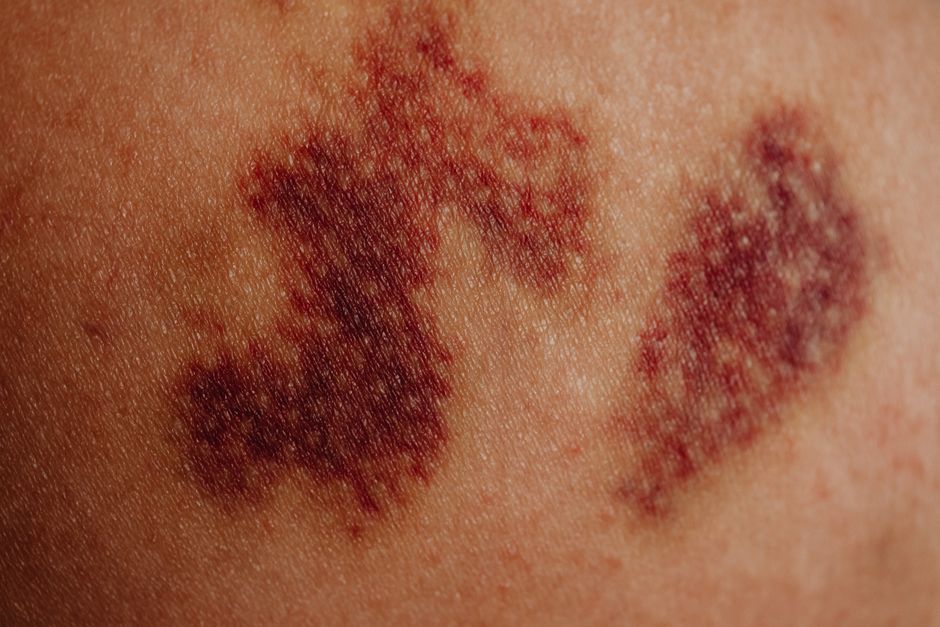
A blood clot deep in your leg often feels like a bad cramp that will not go away. Many people describe it as a deep, heavy ache, a tightness, or a pulling sensation. The area may also feel tender to the touch, look swollen, and feel warmer than the rest of your leg. While the pain is real and noticeable, it is not always the sudden, sharp pain people expect from a serious medical issue.
What Does the Pain of a Deep Vein Thrombosis Actually Feel Like?
The pain from a deep vein thrombosis (DVT) is not like a paper cut or a stubbed toe. It is a deep, dull ache that stays in one spot. People often say it feels like a muscle is being squeezed from the inside. The calf or thigh can feel heavy and tight.
You might notice the pain more when you stand up or walk. Lying down and raising your leg may offer some relief. The discomfort usually does not get better with stretching or over-the-counter pain relievers. This is a key difference from a simple muscle strain.
Another common description is a persistent pulling sensation. Some people compare it to the feeling of a charley horse that never fully relaxes. The skin over the clot may also look red or have a bluish tint. If you press on the area, it may feel firm or hard, not soft like normal muscle.
How Can You Tell a Blood Clot from a Muscle Cramp or Strain?
This is the hardest part for most people. A muscle cramp usually hits fast and fades within seconds or minutes. A blood clot pain builds slowly over hours or days. It does not come and go. It just stays.
With a muscle strain, you usually remember a specific activity that caused it. You might have twisted your ankle or overworked your calf at the gym. With a DVT, there is often no clear cause. The pain shows up for no obvious reason.
Swelling is a major clue. A strained muscle may swell a little, but a DVT often causes noticeable swelling in the whole calf or leg. The affected leg can look visibly larger than the other one. The skin may also feel hot to the touch.
One non-obvious sign is that a DVT pain often gets worse when you bend your foot upward toward your knee. Doctors call this Homans sign. It is not a perfect test, but many people notice this before seeking help.
How Painful Is a Blood Clot in the Leg on a Scale of 1 to 10?
There is no single number that fits everyone. Some people report the pain as a 3 or 4 out of 10. Others describe it as an 8 or 9. The severity depends on how large the clot is and where it is located.
A small clot in a superficial vein near the skin may cause only mild tenderness. A large clot deep in the thigh can cause intense, throbbing pain. The pain level also depends on how much the clot blocks blood flow. More blockage usually means more pain and swelling.
Research published in the Journal of Thrombosis and Haemostasis found that about half of people with DVT described their pain as moderate to severe. The other half reported mild discomfort. This wide range is why doctors do not rely on pain level alone to diagnose a clot.
If you are worried, do not rely on a pain scale to decide whether to get help. Any unexplained leg pain with swelling and warmth deserves a medical check. A simple ultrasound can tell you for sure.



What Does a Blood Clot in the Lung Feel Like?
A blood clot that travels to the lung is called a pulmonary embolism. This is the dangerous complication people worry about. The symptoms are very different from a leg clot.
The most common feeling is sudden shortness of breath. You may feel like you cannot catch your breath even when sitting still. The breathing trouble often comes on fast, not slowly over hours.
Chest pain is another hallmark. It is often sharp and stabbing. It gets worse when you take a deep breath, cough, or bend over. Some people describe it as a ripping sensation inside their chest.
Other symptoms include a rapid heart rate, coughing up blood, and feeling lightheaded or faint. Some people report a sense of dread or anxiety that something is very wrong. If you have any of these symptoms, call 911 immediately. Do not wait to see if it gets better.
Can You Have a Blood Clot with No Pain at All?
Yes. This is one of the most surprising facts about blood clots. Some people have a DVT with zero pain. The only sign may be mild swelling or a slight change in skin color.
The CDC reports that up to 30% of people with DVT have no symptoms at all. The clot is only found when a complication occurs or during an imaging test done for another reason. This is more common in people who are older or have other medical conditions that mask the symptoms.
Painless clots are still dangerous. They can still break loose and travel to the lungs. This is why doctors take risk factors seriously even without symptoms. If you have recently had surgery, been on a long flight, or have a family history of clots, you should be aware of the subtle signs.
One subtle sign is a leg that feels heavier than usual. Some people notice their pants fit tighter on one side. Others see that their sock leaves a deeper indentation on one leg. These are signs of fluid buildup, which can happen with or without pain.
What Should You Do If You Think You Have a Blood Clot?
Do not wait. Do not try to treat it at home. Do not massage the area. Massaging a clot can break it loose and send it to your lungs.
Call your doctor or go to an urgent care center. If you have chest pain or trouble breathing, go to the emergency room. Tell them exactly what you feel. Use words like “deep ache,” “swelling,” and “warmth.”
The standard test for a DVT is an ultrasound. It is painless and takes about 30 minutes. The technician will press a wand against your leg to look for blockages in your veins. If a clot is found, treatment usually starts with blood thinners.
Blood thinners do not dissolve the clot. They prevent it from growing larger and stop new ones from forming. Your body will naturally break down the clot over weeks or months. Most people recover fully with proper treatment.
Common Misconceptions About Blood Clot Pain
Many people think a blood clot always causes visible redness or a cord-like vein you can feel under the skin. This is not true. Only superficial clots near the skin surface are easy to see. Deep clots are invisible to the naked eye.
Another myth is that blood clot pain is always severe. As discussed earlier, many clots cause only mild discomfort. Some cause none at all. Basing your decision to seek care on pain level alone is a mistake.
Some people believe that walking or moving around will help a clot go away. This is false. Exercise does not break up a clot. It can actually increase the risk of the clot moving to your lungs. If you suspect a clot, rest the leg until a doctor clears you.
One last myth is that only older people get blood clots. While risk increases with age, young healthy adults can get them too. Prolonged sitting, dehydration, and certain medications can raise your risk at any age.
Frequently Asked Questions
Can a blood clot go away on its own?
Yes, small clots can dissolve naturally over time. But you should never wait to see if this happens because clots can grow or travel to your lungs.
How long does blood clot pain last before it becomes dangerous?
There is no set timeline. Some clots become dangerous within hours, while others stay stable for days. Any new leg pain with swelling should be checked immediately.
Does a blood clot hurt more at night?
Some people report worse pain when lying down because the clot presses on nearby nerves. However, this is not a reliable way to tell if you have a clot.
Can you feel a blood clot with your fingers?
Deep clots cannot be felt through the skin. Only superficial clots near the surface may feel like a firm cord under the skin. Do not poke or squeeze the area.
