
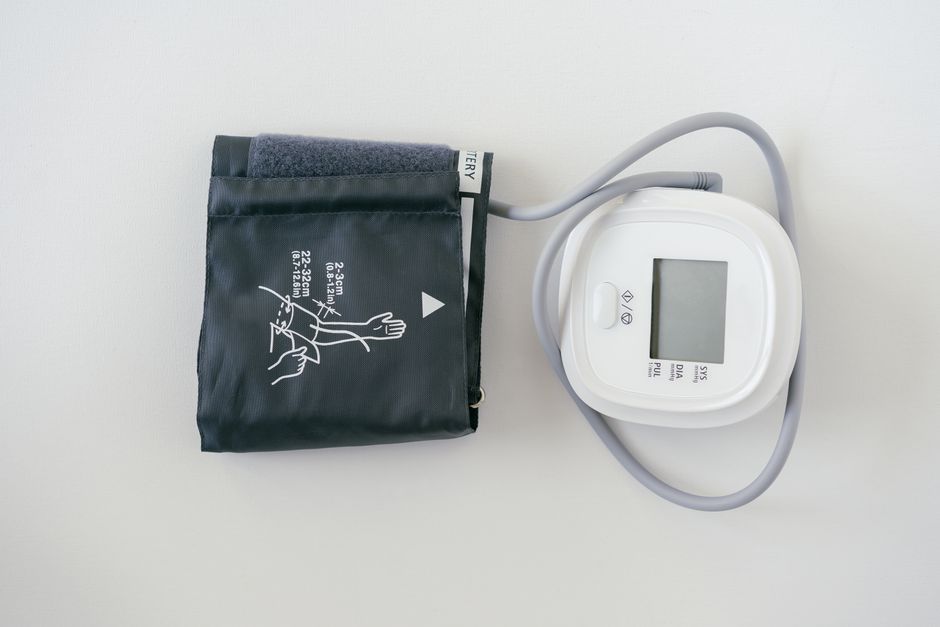
Blood pressure monitors you use at home mostly use a method called oscillometry. Instead of listening to your pulse like a doctor does with a stethoscope, these devices measure the vibrations in your artery walls. The monitor reads those vibrations and turns them into your systolic and diastolic numbers. It is a clever process that happens automatically inside the device, and understanding it helps you use your monitor correctly and trust the numbers it gives you.
How Oscillometric Blood Pressure Monitors Work
The cuff on your arm does more than squeeze. It contains a pressure sensor that detects tiny pulses in your brachial artery. As the cuff deflates, the sensor records the strength of these pulses at different pressures. The strongest pulses happen at your mean arterial pressure. The device uses a mathematical algorithm to estimate your systolic and diastolic pressures from that peak point.
This is different from the manual method. With a stethoscope, a clinician hears Korotkoff sounds — the whooshing noises of blood flow. An oscillometric device never hears anything. It only measures pressure changes and vibration patterns. The algorithm inside the monitor does the interpretation work.
The accuracy depends heavily on the cuff fitting properly. A cuff that is too small gives falsely high readings. A cuff that is too large gives falsely low ones. This is one of the most common sources of error at home.
Why Does the Cuff Inflate So Tight?
The cuff must squeeze your arm until blood flow stops completely in the artery. This creates a baseline pressure reading. Then the cuff releases air slowly. As the pressure drops, blood starts pushing through the compressed artery again. Each heartbeat creates a small vibration in the vessel wall.
Those vibrations are the oscillometric waves. The sensor picks them up at every pressure level during deflation. The monitor records the pattern of these waves and plots them on a curve. The shape of that curve tells the device where your systolic and diastolic pressures fall.
If the cuff does not inflate enough, the device misses the complete wave pattern. The result is an inaccurate reading. This is why the cuff feels so tight — it needs to fully occlude the artery to get a complete picture.
What Do the Numbers Actually Mean?
Your systolic pressure is the top number. It measures the pressure in your arteries when your heart contracts and pushes blood out. Your diastolic pressure is the bottom number. It measures the pressure when your heart relaxes between beats.
The oscillometric method does not directly measure either of these. It measures mean arterial pressure — the average pressure during one complete cardiac cycle. The algorithm estimates systolic and diastolic from that average using a ratio that works for most people.
This estimation is why some monitors are more accurate than others. Each manufacturer uses its own algorithm. Some algorithms perform better in certain age groups or for people with specific conditions like atrial fibrillation. No home monitor is perfect for every person.





Why Do Home Readings Differ From Doctor’s Office Readings?
White coat syndrome is real. Many people feel anxious in a medical setting, and that anxiety raises blood pressure. Home readings often run lower for this reason alone. This does not mean either reading is wrong — it means the conditions are different.
Body position matters too. Your arm must be supported at heart level. If your arm hangs down by your side, gravity increases the pressure in your arm and gives a higher reading. If you raise your arm above heart level, the reading drops. The difference can be significant.
Timing also matters. Blood pressure naturally fluctuates throughout the day. It dips at night and rises in the morning. It increases with stress, exercise, caffeine, and even talking during the measurement. For consistent comparisons, measure at the same time each day under the same conditions.
How Accurate Are Home Monitors Really?
Clinical validation is the gold standard. Monitors are tested against the manual auscultatory method in controlled studies. A device that passes validation has proven its readings fall within an acceptable range of error. Look for a monitor that mentions clinical validation on its packaging.
Most validated home monitors are accurate within a few mmHg of the manual method for most people. But accuracy varies by individual. Irregular heart rhythms confuse oscillometric algorithms. Conditions like preeclampsia or very stiff arteries from advanced age can also reduce accuracy.
If your readings seem inconsistent or do not match your symptoms, talk to your doctor. They can compare your home monitor against their office equipment. This is the most reliable way to check if your specific device works well for your specific body.
What Can You Do to Get the Most Accurate Reading?
Preparation matters more than most people realize. Avoid caffeine, exercise, and smoking for 30 minutes before measuring. Sit quietly for five minutes first. Place the cuff on bare skin — not over clothing. Rest your arm on a flat surface so the cuff sits at heart level.
Take multiple readings. Guidelines recommend taking two readings one minute apart and averaging them. If the first two readings differ by more than 5 mmHg, take additional readings. Morning and evening measurements give a fuller picture than a single reading.
Check your cuff size. The cuff bladder should wrap around 80 percent of your upper arm circumference. Most monitors come with a standard cuff that fits average arms. If your arm is larger or smaller, order the appropriate size. Using the wrong size is one of the most common causes of inaccurate home readings.
When Should You Be Concerned About Your Readings?
A single high reading is not a diagnosis. Blood pressure varies naturally, and one measurement in a stressful moment does not define your health. Doctors look at patterns over time, not isolated numbers.
Consistently elevated readings warrant medical attention. If your home readings repeatedly show a systolic pressure of 130 or higher, or a diastolic of 80 or higher, discuss this with your healthcare provider. They can help interpret your numbers in the context of your overall health.
Do not adjust medications based on home readings alone. Your doctor needs to see the data and make clinical decisions. Bring your monitor log to appointments. Write down the date, time, and reading for each measurement. This record helps your provider understand your blood pressure pattern.
What Are the Limitations of Oscillometric Monitors?
Atrial fibrillation is a significant limitation. The irregular heartbeats produce irregular vibration patterns that confuse the algorithm. Some newer monitors can detect irregular rhythms and alert you, but their blood pressure readings may still be less accurate during an episode.
Pregnancy changes blood pressure physiology. Oscillometric monitors may be less accurate in pregnant women, particularly those with preeclampsia. Some research suggests manual measurement is more reliable in this population. If you are pregnant and monitoring blood pressure at home, discuss the best approach with your obstetric provider.
Extremes of blood pressure also pose challenges. Very low blood pressure produces weak vibrations that are harder to detect. Very high blood pressure can produce patterns that some algorithms misinterpret. In these situations, a manual reading by a trained professional remains the reference standard.
Frequently Asked Questions
Why does my home blood pressure monitor give different readings each time?
Blood pressure naturally fluctuates with every heartbeat, so small differences between readings are normal. Larger differences usually come from cuff position, body posture, or measuring at different times of day.
Is the wrist monitor as accurate as an upper arm monitor?
Upper arm monitors are generally more accurate because the brachial artery is closer to heart level. Wrist monitors are sensitive to wrist position and give less reliable results unless held exactly at heart height.
How often should I replace my blood pressure monitor?
Most manufacturers recommend replacing home monitors every two to three years or if the device has been dropped or damaged. If readings suddenly become inconsistent, have the device checked against your doctor’s equipment.
Can I use my blood pressure monitor on both arms?
Yes, but use the same arm consistently once you know your numbers. Small differences between arms are common, but a persistent difference of more than 10 mmHg between arms should be discussed with your doctor.
