
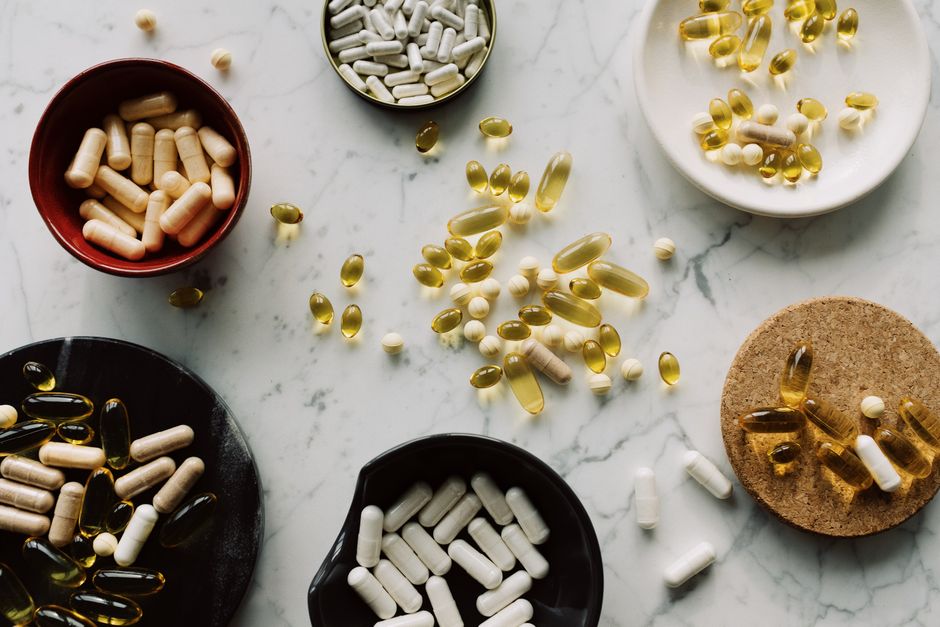
Many people take a probiotic supplement every day, and for most, that is the right answer. The standard recommendation from researchers and health organizations is to take probiotics once daily, following the instructions on the product label. However, the real question is not just about frequency but about consistency and matching the supplement to your specific health goal.
Does Taking a Probiotic Every Day Actually Work?
Research shows that daily use is the most effective approach for most probiotic strains. These live bacteria and yeasts do not stay in your gut permanently. They pass through your digestive system within a few days of stopping. Taking one daily helps maintain a steady presence of the beneficial strains in your colon.
A study published in the journal Gut Microbes found that consistent daily intake of probiotics led to measurable changes in gut bacteria composition after about two to three weeks. The key word is consistent. Missing days reduces the benefit because the bacterial levels in your gut drop off quickly.
Some people wonder if taking more than one dose per day is better. There is no strong evidence that twice-daily dosing improves outcomes for the general population. Stick to what the label says unless your healthcare provider tells you otherwise.
What Does Research Say About How Often Should You Take A Probiotic Supplement?
The research on this question is clearer than many people realize. Most clinical trials on probiotics use a once-daily dosing schedule. This is not an accident. Researchers have tested different frequencies and found that once per day provides enough live bacteria to support gut health without overwhelming the system.
A 2022 review in the journal Nutrients examined over 50 probiotic studies. The majority used once-daily dosing and reported positive results for digestive health, immune support, and antibiotic-related diarrhea prevention. The studies that used twice-daily dosing did not show significantly better outcomes.
One important detail is that probiotics need to survive stomach acid to reach your intestines. Taking them with a meal, especially one that contains some fat, can improve survival rates. The food acts as a buffer. This is not about frequency but about timing within each day.
The bottom line from the evidence is clear: once daily is the standard that works for most people. More is not better, and less may not be enough.
Should You Take Probiotics on an Empty Stomach or With Food?
This depends on the specific probiotic strain and the product formulation. Many probiotic manufacturers recommend taking their product with a meal. The reason is that food helps protect the bacteria from stomach acid.
Research published in Therapeutic Advances in Gastroenterology found that taking probiotics with a meal that contains fat increased the survival rate of the bacteria by up to 40 percent compared to taking them on an empty stomach. The fat in the meal helps buffer the acidic environment of the stomach.
Some strains, particularly spore-based probiotics like Bacillus coagulans, are more resistant to stomach acid. These may work fine on an empty stomach. Check the product label for specific instructions. If the label says take with food, follow that guidance.
Consistency matters more than the exact timing. If you take it with breakfast every day, that is better than taking it on an empty stomach some days and with dinner on others.





What Happens If You Miss a Day of Probiotics?
Missing one day is not a problem. The bacteria you have already taken are still in your system, though levels will start to drop. Your gut microbiome is resilient and does not collapse after a single missed dose.
The CDC notes that probiotics are not like antibiotics where missing a dose can lead to treatment failure. Probiotics work by gradually supporting the existing gut bacteria. One missed day simply means you have one less day of support.
If you miss a day, just take your next dose as scheduled. Do not double up the next day. Taking two doses at once does not provide extra benefit and may cause mild gas or bloating. The body can only process so many live bacteria at one time.
For people taking probiotics to prevent antibiotic-associated diarrhea, consistency is more important. Missing several days during an antibiotic course may reduce the protective effect. In that specific situation, set a daily reminder.
How Long Should You Take Probiotics Before Seeing Results?
This varies by person and by the reason you are taking them. For digestive issues like bloating or irregularity, some people notice changes within a few days. Others need two to four weeks before feeling a difference.
Research published in the World Journal of Gastroenterology found that measurable changes in gut bacteria composition occur after about two weeks of daily probiotic use. However, feeling better does not always match the lab results. Some people feel improvements before the bacteria counts change significantly.
For immune support during cold and flu season, studies suggest taking probiotics for at least eight to twelve weeks to see a reduction in infection rates. A shorter course may not be enough to influence immune function.
If you have not noticed any benefit after four to six weeks of daily use, the probiotic you are taking may not be the right strain for your needs. Different strains address different issues. Lactobacillus rhamnosus GG is well-studied for digestive health. Bifidobacterium lactis is often used for immune support. Match the strain to your goal.
| Health Goal | Typical Time to Notice Benefit | Well-Studied Strains |
|---|---|---|
| Digestive regularity | 1 to 4 weeks | Lactobacillus rhamnosus GG, Bifidobacterium lactis |
| Antibiotic-associated diarrhea prevention | During antibiotic course | Saccharomyces boulardii, Lactobacillus acidophilus |
| Immune support | 8 to 12 weeks | Bifidobacterium lactis, Lactobacillus casei |
| General gut health maintenance | 2 to 4 weeks | Multi-strain blends |
Can You Take Too Many Probiotics? What Are the Side Effects?
Taking more than the recommended dose does not provide extra benefits and can cause side effects. The most common side effects are gas, bloating, and mild stomach discomfort. These usually go away within a few days as your digestive system adjusts.
Research shows that even very high doses of probiotics are not dangerous for healthy people. A study in the journal Frontiers in Medicine gave participants up to ten times the standard dose for four weeks. No serious adverse effects occurred. However, the participants did report more gas and bloating than the standard-dose group.
There are specific situations where probiotics may not be safe. People with severely weakened immune systems, such as those undergoing chemotherapy or organ transplant recipients, should talk to their doctor before starting probiotics. In rare cases, live bacteria can cause infections in these individuals.
People with short bowel syndrome or central venous catheters should also avoid probiotics unless a doctor approves. The American Gastroenterological Association advises caution in these groups.
What to Look for in a Probiotic Supplement
Not all probiotic products are equal. Many contain strains that die off before you even open the bottle. Look for products that guarantee live bacteria through the expiration date, not just at the time of manufacture.
The colony-forming unit count, or CFU, is the number of live bacteria per dose. Most effective probiotics contain between 1 billion and 10 billion CFU per dose. Higher numbers do not always mean better results. Some strains are more potent at lower doses.
Check for third-party testing. Organizations like USP, NSF International, or ConsumerLab test supplements for quality and accuracy. A seal from one of these groups means the product contains what the label says.
Store probiotics according to the label instructions. Many require refrigeration. Others are shelf-stable. Heat and moisture kill live bacteria quickly. Keeping them in a cool, dry place extends their life.
Frequently Asked Questions
Can I take probiotics at night?
Yes, taking probiotics at night is fine as long as you take them with a small snack to buffer stomach acid. The key is consistency with the same time each day.
Should I take probiotics forever?
There is no evidence that long-term probiotic use is harmful for healthy people. Many people take them continuously for ongoing digestive or immune support.
Do probiotics work if I stop taking them?
The benefits stop within a few days of stopping because the bacteria leave your system. Probiotics do not permanently change your gut microbiome.
Can children take probiotics every day?
Many probiotics are safe for children, but the dose and strain should match the child’s age. Consult a pediatrician before starting any supplement for a child.
