
Brushing with braces is not the same as brushing without them. Food gets trapped around brackets and under wires easily, and plaque builds up faster in those spots. The standard advice is to brush after every meal and snack, which usually means three to four times a day. Each session should last a full two minutes. If you can only manage two thorough brushes a day, make those count — but the more often you brush, the lower your risk of permanent white stains on your teeth when the braces come off.
Why Brushing Frequency Matters More With Braces
Braces create dozens of new surfaces where plaque can hide. The bracket itself, the area where the bracket meets the tooth, and the space under the wire all trap food differently than a smooth tooth surface does.
Plaque is a sticky film of bacteria that forms on teeth within hours of brushing. When you eat, the bacteria feed on sugars and produce acid. That acid attacks tooth enamel. With braces, that acid sits directly against the enamel around the brackets — precisely where you cannot see it easily.
This is not just about cavities. The most common cosmetic problem after braces is white spot lesions. These are chalky white marks on the enamel where minerals have been lost. They form around brackets when plaque is left in place for extended periods. They are permanent. They do not fade with normal brushing once they form.
How Often Should I Brush My Teeth With Braces
Brush after every meal and snack. For most people, that works out to three to four times per day. Morning brushing, brushing after lunch, and brushing after dinner are the minimum. If you snack between meals, brush after that too.
Each brushing session should last two minutes. Set a timer if you need to. Most people overestimate how long they brush — studies consistently show average brushing time falls well short of two minutes.
This frequency matters because plaque starts causing enamel damage within hours of forming. Waiting until morning to brush away the effects of a sugary afternoon snack gives that acid hours to work against your enamel. Removing it sooner limits the damage.
What Happens If You Do Not Brush Often Enough
The consequences of irregular brushing with braces are not abstract. They are specific and measurable.
White spot lesions are the most common. These appear as permanent discolored bands around where brackets were. Research consistently shows they develop when plaque accumulates around brackets for extended periods — days to weeks of poor cleaning, not a single missed brushing.
Gingivitis is the second major risk. Gums become swollen, red, and prone to bleeding. This is reversible with improved cleaning, but while braces are on, the swelling can make cleaning even harder, creating a cycle.
Cavities can form directly beneath or beside brackets. These are harder for a dentist to treat because the bracket must be removed first. Some cavities discovered after braces come off require crowns rather than simple fillings because too much tooth structure was lost.
Periodontal disease is a longer-term risk. Gingivitis left untreated can progress to affect the bone supporting your teeth. This is uncommon in young patients but a genuine concern for adults wearing braces, who may already have some gum recession or bone loss.



The Right Technique Matters As Much As Frequency
Brushing more often is only useful if you are actually removing plaque. A quick 30-second pass with the brush does little good, regardless of how many times per day you do it.
Angle the brush at 45 degrees toward the gumline. Work the bristles under the wire where possible. Brush the top of each bracket, then the bottom, then the tooth surface above and below. Pay attention to the area between the bracket and the gum — this is where plaque hides most effectively.
Use a soft-bristled brush. Medium or hard bristles do not clean better and can damage gum tissue and enamel over time. An electric toothbrush with a small round head is often easier to maneuver around brackets than a manual brush.
Replace your toothbrush more frequently than you normally would. Brackets wear down bristles faster. If bristles look frayed or bent — usually within one to two months with braces — replace the brush head immediately.
Tools That Help You Clean Around Braces
Brushing alone does not fully clean teeth with braces. The brush cannot reach every surface around brackets and wires.
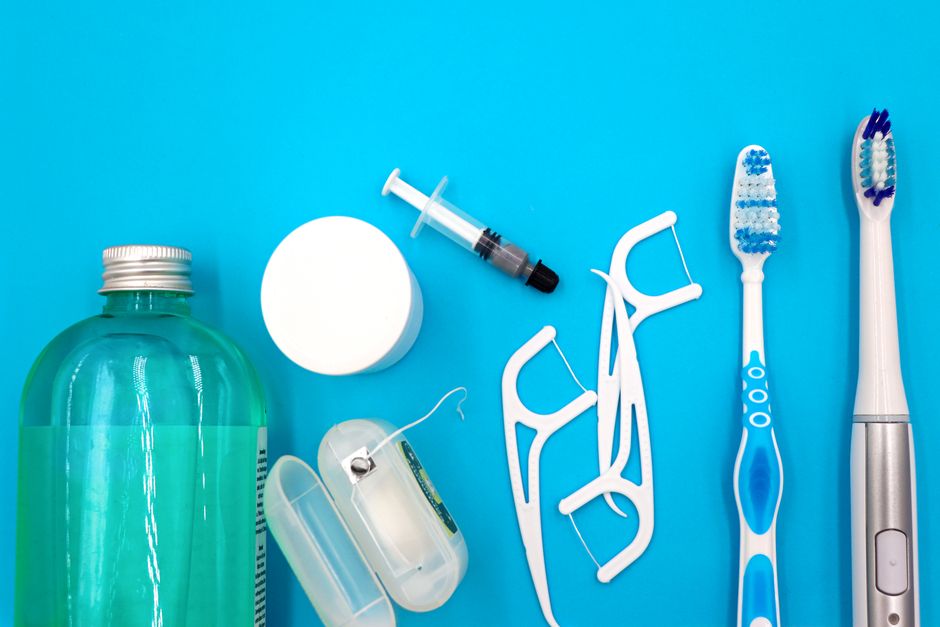
- Interdental brushes — small cone-shaped brushes that slip under the wire and between teeth. These remove plaque that a regular toothbrush cannot reach.
- Water flossers — devices that shoot a pressurized stream of water between teeth and around brackets. Useful for dislodging loose food, though evidence on whether they remove established plaque as well as floss is mixed.
- Floss threaders — thin loops that help pull regular floss under the wire so you can floss between teeth normally.
- Fluoride mouthwash — rinsing with a fluoride mouthwash once daily can help strengthen enamel against acid attacks. This is a supplement to brushing, not a replacement.
Your orthodontist or dental hygienist can show you exactly how to use these tools on your specific setup. Every braces configuration is slightly different, and demonstration beats written instructions.
What About Brushing When You Are Away From Home
Carrying a toothbrush everywhere is inconvenient but necessary. Keep a travel kit in your bag, desk, or car. A small toothbrush, a mini toothpaste, and floss threaders take up almost no space.
If you genuinely cannot brush after a meal — you are in a meeting, at a restaurant, or on a long flight — at minimum rinse your mouth thoroughly with water. Swish vigorously for 30 seconds. This dislodges loose food particles and dilutes acids. It is not a substitute for brushing, but it is better than doing nothing.
Sugar-free gum can help stimulate saliva flow after meals when brushing is impossible. Saliva naturally neutralizes acid and washes away food particles. This is a stopgap measure, not a cleaning method.
How Your Cleaning Routine Changes With Clear Aligners
If you wear clear aligners rather than traditional braces, the rules are different. You remove aligners to eat, so food does not get trapped against your teeth the same way.
Brush your teeth before reinserting aligners after every meal. Brush the aligners themselves with a soft brush and clear, unscented soap or the cleaning product your orthodontist recommends. Toothpaste can scratch aligners, making them look cloudy.
The bigger risk with aligners is wearing them over unbrushed teeth. Trapped plaque and sugars against enamel for 20-plus hours a day accelerates decay. Brushing before every reinsertion matters more than total daily brush count.
Signs Your Brushing Routine Is Not Working
Your mouth gives clear signals when plaque control is failing. Watch for these signs:
- Bleeding gums when you brush or floss — this is the earliest sign of gingivitis
- Swollen, red, or tender gums around brackets
- Persistent bad breath that does not improve with brushing
- White chalky spots appearing on teeth near brackets
- A fuzzy or rough feeling on tooth surfaces when you run your tongue over them — this is plaque buildup
If any of these appear, step up your cleaning routine. If they persist for more than a few days despite better brushing, see your dentist or orthodontist. Early intervention prevents permanent damage.
Frequently Asked Questions
Can I brush my teeth too much with braces?
Brushing more than five times a day with a soft brush is rarely necessary and can irritate gums. Stick to after every meal and snack, and use gentle pressure.
How long should I brush my teeth with braces each time?
Brush for a full two minutes each session. Divide your mouth into four quadrants and spend 30 seconds on each.
Do I need to brush after every snack with braces?
Yes. Snacks leave sugars and acids on your teeth just like meals do. If brushing is impossible, rinse with water or chew sugar-free gum until you can brush.
Is an electric toothbrush better for braces?
Most people clean more effectively with an electric brush because the motion does the work for you. Choose one with a small round head and soft bristles.
