
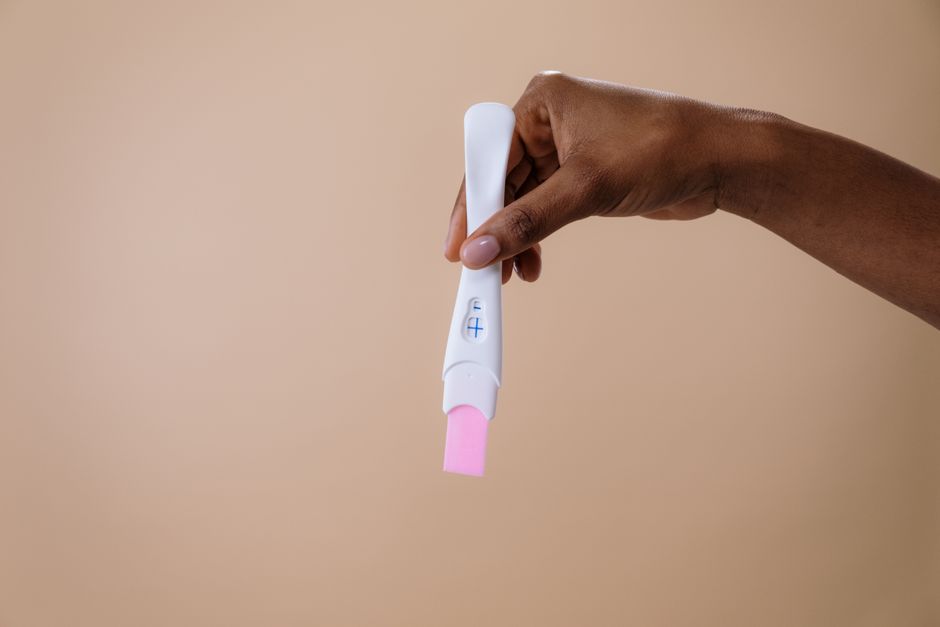
Home pregnancy tests are highly accurate when used correctly, but they are not perfect. Research consistently shows that modern tests are over 99% accurate at detecting pregnancy when used on the day of a missed period. However, user error, testing too early, and certain medical conditions can produce incorrect results, meaning the real-world accuracy is lower than the advertised number.
How Often Is A Pregnancy Test Wrong
False negatives are far more common than false positives. A false negative happens when you are pregnant but the test says you are not. This usually occurs because you tested too early and the pregnancy hormone, hCG, has not built up enough in your urine to be detected.
False positives are rare. A false positive means the test says you are pregnant when you are not. This happens in less than 1% of tests. When it does occur, it is often caused by a chemical pregnancy, certain medications, or a medical condition that produces hCG.
Why False Negatives Happen
Testing too early is the number one cause of a wrong result. The body only starts producing detectable levels of hCG after a fertilized egg implants in the uterus. Implantation typically happens 6 to 10 days after ovulation. After implantation, hCG levels double roughly every 48 to 72 hours.
If you test before implantation occurs, your body has not yet started making hCG. The test will correctly show negative because there is nothing to detect yet. The result is only “wrong” in the sense that you are pregnant but tested too soon.
Urine dilution also matters. Testing after drinking large amounts of fluid can dilute your urine and lower hCG concentration below the test’s detection threshold. First morning urine is generally the most concentrated and gives the most reliable result, especially in early pregnancy.
Why False Positives Happen
A false positive occurs when a test detects hCG that is not from a viable pregnancy. The most common cause is a chemical pregnancy. This is a very early miscarriage that happens shortly after implantation. The body produced enough hCG to trigger a positive test, but the pregnancy did not continue.
Certain medications can also cause false positives. Fertility treatments containing hCG, such as some ovulation induction injections, can stay in your system for up to two weeks. Taking these medications and then testing for pregnancy can produce a positive result that is not from a pregnancy.
Rare medical conditions can produce hCG as well. Some ovarian tumors and, very rarely, certain other cancers can secrete hCG and cause a false positive result. These situations are uncommon but are a recognized cause of incorrect test results.
When To Trust A Positive Result
A positive result on a home pregnancy test is highly reliable. If you see two lines or a plus sign, you should treat it as a likely pregnancy. The accuracy of a positive result increases significantly if you test again a few days later and get another positive.
If you get a positive result, schedule an appointment with a healthcare provider. They can confirm the pregnancy with a blood test or an ultrasound. Blood tests can detect much lower levels of hCG than urine tests and provide a definitive answer.
An ectopic pregnancy — where the fertilized egg implants outside the uterus, usually in a fallopian tube — will still produce a positive pregnancy test. The hCG levels may rise more slowly than in a normal pregnancy, but the test will be positive. This is why any positive home test should be followed by medical confirmation.
How Test Sensitivity Affects Results
Not all pregnancy tests are equally sensitive. Test sensitivity refers to the lowest level of hCG the test can detect. Tests with higher sensitivity can detect lower amounts of hCG and can give a positive result earlier.
Most home tests detect hCG levels of 25 mIU/mL or higher. Some more sensitive tests can detect levels as low as 10 mIU/mL. A test with higher sensitivity may show a positive result a day or two before a less sensitive test would.
This difference matters most in the days right before your missed period. If you test five days before your missed period, a highly sensitive test might detect pregnancy while a standard test shows negative. Testing on or after the day of your missed period minimizes these differences because hCG levels are typically high enough for all tests to detect.
How To Get The Most Accurate Result
Follow the instructions on the package exactly. Each test brand has specific timing requirements for how long to hold the test in urine and how long to wait before reading the result. Reading a test outside the recommended window can lead to errors.
An evaporation line is a common source of confusion. This is a faint line that appears after the test has dried, usually because urine evaporated and left a residue. Evaporation lines can look like a faint positive result. To avoid this, read the test within the time frame specified in the instructions and do not interpret results after that window has passed.
If you get a negative result but your period does not start, wait three to five days and test again. If you get a positive result and then start bleeding heavily or experience severe pelvic pain, seek medical care. These symptoms can indicate a miscarriage or an ectopic pregnancy.
What To Do If Results Are Confusing
If you get conflicting results from two tests, wait two days and test again with a fresh test. By that point, hCG levels in a viable pregnancy will have risen enough to produce a clear result on any standard test.
A blood test at a doctor’s office is the most definitive way to determine pregnancy. Blood tests can measure exact hCG levels and can detect pregnancy earlier than urine tests. If you need certainty — for medical reasons or personal peace of mind — request a blood test from your healthcare provider.
Some research suggests that certain medical conditions, including ovarian cysts, kidney disease, and urinary tract infections, can occasionally interfere with test results. These situations are uncommon, but they are a reason to confirm any unexpected result with a healthcare professional.
Frequently Asked Questions
Can a pregnancy test be wrong if it says positive?
Yes, but false positives are rare, occurring in less than 1% of tests. A chemical pregnancy, certain fertility medications, or rare medical conditions can cause a positive result without a viable pregnancy.
How soon can a pregnancy test be wrong?
Tests are most likely to be wrong when taken before your missed period. Testing too early is the main cause of false negatives because hCG levels may still be too low to detect.
Can a negative pregnancy test be wrong?
Yes, false negatives are the most common type of incorrect result. Testing too early, using diluted urine, or reading the test outside the recommended time window can all cause a false negative.
Do pregnancy tests expire?
Yes, pregnancy tests have an expiration date printed on the package. Expired tests may produce inaccurate results because the chemicals that detect hCG degrade over time.
