
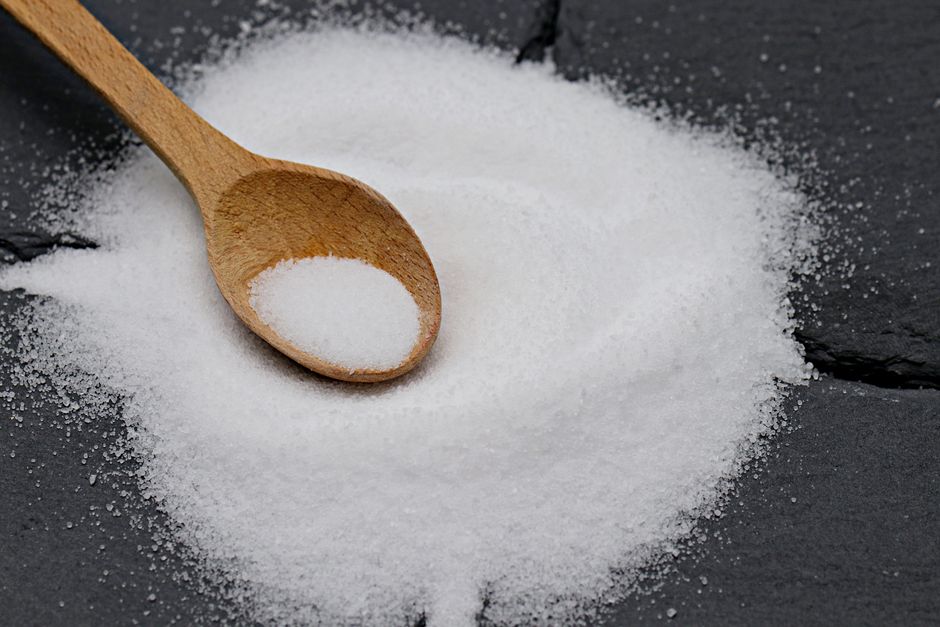
Sodium is a mineral your body needs to work. The problem is dose. For most American adults, the official guidance is to keep sodium under 2,300 milligrams (mg) per day, which is about one teaspoon of table salt. The American Heart Association suggests an ideal limit closer to 1,500 mg per day for most adults, especially those with high blood pressure. The average US adult takes in around 3,400 mg per day — well above both numbers.
How Much Sodium Is Bad For You?
There is no single cutoff where sodium suddenly turns harmful. Risk rises as intake rises, and it drops as intake drops. That relationship is what the guidelines are built on.
The 2,300 mg per day figure comes from the Dietary Guidelines for Americans, which is updated every five years. It is not a target you must hit. It is a ceiling. The 1,500 mg figure is a further step down that the American Heart Association recommends for people who already have high blood pressure, diabetes, or kidney disease, and for Black adults, who face higher rates of hypertension and related complications.
Salt and sodium are not the same thing, and the difference trips people up. Salt is sodium chloride — about 40% sodium by weight. So one teaspoon of salt contains roughly 2,300 mg of sodium. That means a single teaspoon over the course of a day would use up your entire limit.
Most of that sodium does not come from your salt shaker. In the typical US diet, the majority comes from packaged foods, restaurant meals, and processed meats. Bread, cheese, canned soup, frozen dinners, and deli meat are common sources. This surprises many people, because none of those foods taste especially salty.
What Does Sodium Actually Do In Your Body?
Sodium is an electrolyte, and your body cannot function without it. It helps carry electrical signals along nerves, drives muscle contraction (including your heart), and helps hold the right amount of fluid in and around your cells.
Your kidneys are the control system. When sodium intake goes up, healthy kidneys filter out the excess and send it into urine. When intake drops, the kidneys conserve sodium. In a healthy person, this system keeps blood sodium within a tight range — generally 135 to 145 milliequivalents per liter (mEq/L).
The trouble starts when sodium intake stays high for years, especially in people whose kidneys or blood vessels are already under strain. Extra sodium pulls water into the bloodstream. More fluid in the same pipes means higher pressure against the artery walls. Over time, that pressure can stiffen and damage blood vessels, tax the heart, and stress the kidneys.
Not everyone responds to sodium the same way. Some people are “salt-sensitive” and see a bigger jump in blood pressure when they eat more sodium. Others are less affected. Researchers cannot yet predict reliably who falls into which group, which is one reason the guidance applies broadly rather than person by person.
Why Does High Sodium Raise Blood Pressure?
Blood pressure is the force of blood pushing against your artery walls. Sodium raises that force in two main ways: by increasing the volume of fluid in your blood vessels, and by affecting how those vessels tighten and relax.
When you eat more sodium than your body needs, water follows the sodium and stays in circulation. More fluid volume means more pressure. If the vessel walls are flexible and healthy, they can stretch a little. If they are stiff — from age, genetics, or years of high pressure — the same volume creates a bigger spike.
High blood pressure is often called the “silent killer” because it usually causes no symptoms. You cannot feel your blood pressure rising. That is why it has to be measured, and why sodium’s effect on it matters even when you feel fine.
The link between high sodium intake and higher blood pressure is one of the most studied relationships in nutrition science. Reducing sodium intake has been shown in numerous trials to lower blood pressure in people with and without hypertension. The size of the drop varies from person to person, but the direction is consistent.





How Much Sodium Is Too Much For Different People?
Guidelines do not treat everyone the same, because the risk from sodium is not identical across the population.
| Group | Common guidance |
|---|---|
| General US adults | Stay under 2,300 mg per day |
| Adults with high blood pressure, diabetes, or kidney disease | Ideal limit around 1,500 mg per day |
| Black adults | Ideal limit around 1,500 mg per day |
| Children | Recommended limits are lower and vary by age |
For children, the recommended limits are lower than adult levels and change with age. The specific numbers are set by the Dietary Guidelines and vary by age group. No single number applies to all kids.
For pregnant women, sodium needs shift slightly, but there are no separate sodium limits that differ meaningfully from the general adult guidance. What matters most in pregnancy is following established prenatal care, not cutting sodium to an unusually low level on your own.
There is also a lower boundary. Very low sodium intake is rare in people eating a normal diet, but it can occur with certain medical conditions, some medications, and heavy sweating combined with drinking large amounts of plain water. Extremely low blood sodium (hyponatremia) is a serious medical issue and is not the same problem as eating too much salt.
What Happens If You Eat Too Much Sodium Over Time?
The clearest and best-established consequence of long-term high sodium intake is higher blood pressure, which in turn raises the risk of heart attack, stroke, heart failure, and kidney disease. This chain is well documented and is the main reason sodium guidelines exist.
High sodium intake has also been linked in some studies to stomach cancer, kidney stones, and reduced bone density, though the evidence for these is less consistent than for blood pressure. Some research suggests a relationship; it is not as firmly established.
One thing that is often overstated: eating a very salty meal does not immediately damage your arteries. A single high-sodium meal can cause a temporary rise in blood pressure and fluid retention, but the harm from sodium builds over years, not hours. The exception is in people with heart failure or kidney disease, where even short-term sodium excess can trigger fluid buildup and serious symptoms.
Cutting sodium too aggressively is not automatically better, either. Some research has found a U-shaped relationship, where both very high and very low sodium intakes are associated with higher risk. That finding is debated, and much of it comes from studies with methodological limits. The current consensus is that the general population benefits from reducing sodium toward the recommended limits, not below them.
How Can You Tell If You’re Eating Too Much Sodium?
You usually cannot tell from how you feel. High sodium intake does not produce obvious symptoms in most people. That is why checking your blood pressure and reading food labels matter more than relying on taste or sensation.
Some signs can hint at short-term fluid shifts from a very salty meal — mild bloating, swelling in the hands or feet, or feeling thirstier than usual. These are not reliable indicators of your overall sodium intake.
To get a real picture, look at the numbers instead:
- Check the % Daily Value for sodium on the Nutrition Facts label. 5% or less is low; 20% or more is high.
- Note the serving size. A food can look low-sodium per serving but add up fast if you eat more than one serving.
- Watch for sodium in foods that don’t taste salty — bread, cheese, sauces, and deli meat.
- Know that restaurant and fast food meals often contain more sodium than the same dish made at home.
If your blood pressure is consistently at or above 130/80 mm Hg, that is a signal worth discussing with a clinician. Sodium is one factor among many, including weight, activity, alcohol, stress, and genetics.
Does Everyone Need To Cut Sodium?
Not everyone needs the same level of restriction. But the evidence supports reducing sodium for most people, because average intake in the US is well above recommended limits and the blood pressure benefit of cutting back is real.
People who benefit most from stricter limits include those with existing high blood pressure, heart failure, kidney disease, or diabetes, and those taking medications that affect fluid balance. If you fall into any of these groups, your clinician’s guidance should take priority over general advice.
For athletes who sweat heavily, people working in hot conditions, and those with certain medical conditions that cause sodium loss, needs can be higher. This is a real exception, not a loophole. The general guidance is built for the average adult, not for every situation.
Cutting sodium does not mean eliminating salt. It means moving your daily total toward the recommended range, mostly by eating fewer packaged and restaurant foods and more food cooked from scratch. Small, consistent changes tend to work better than drastic ones.
Frequently Asked Questions
How many mg of sodium per day is too much?
For most US adults, intake above 2,300 mg per day is considered too high, and the American Heart Association suggests an ideal limit closer to 1,500 mg per day. The average American eats around 3,400 mg per day, well above both numbers.
Is 2,000 mg of sodium a day too much?
No. 2,000 mg per day is below the 2,300 mg general limit and above the 1,500 mg ideal target. It falls within the range most guidelines consider acceptable for a healthy adult.
What are the symptoms of eating too much sodium?
Most people have no obvious symptoms from high sodium intake, which is why it often goes unnoticed. Short-term effects from a very salty meal can include bloating, mild swelling, and increased thirst, but these are not reliable signs of your overall intake.
Can you eat too little sodium?
Yes, though it is uncommon in people eating a normal diet. Very low blood sodium (hyponatremia) can occur with certain medical conditions, some medications, or heavy sweating combined with drinking large amounts of plain water, and it is a serious medical issue.
