
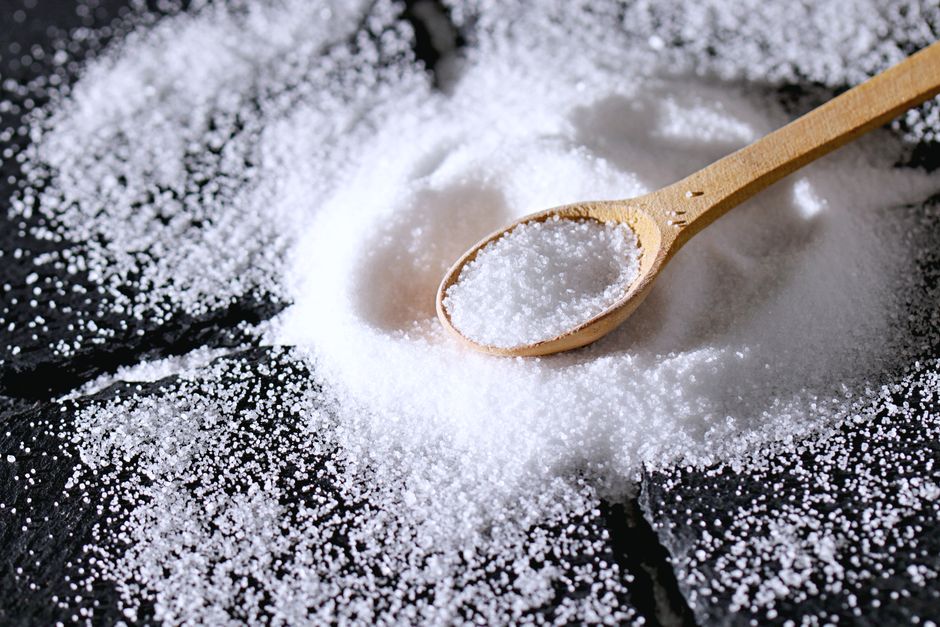
A single tablespoon of table salt contains about 7,000 milligrams of sodium. That is more than three times the recommended daily limit for most adults. Salt is about 40% sodium by weight, so the exact number depends slightly on the type of salt you use.
Why Does the Sodium Content in Salt Matter?
Sodium is an essential mineral. Your body needs it to keep fluids balanced, transmit nerve signals, and help muscles contract. But the amount your body actually needs is tiny compared to what most people consume.
The average American eats far more sodium than the recommended limit. Most of that sodium does not come from the salt shaker. It comes from processed foods, restaurant meals, and packaged products. Still, knowing how much sodium is in a tablespoon of salt helps you understand the baseline.
One tablespoon of standard table salt contains roughly 7,000 milligrams of sodium. The Dietary Guidelines for Americans recommend limiting sodium to less than 2,300 milligrams per day. That equals about one teaspoon of salt for the entire day.
How Much Sodium Is in Different Types of Salt?
Not all salt is the same. Table salt, sea salt, and kosher salt have different crystal sizes and densities. This changes how much salt fits in a spoon, but the sodium content by weight stays similar.
Here is a comparison of common salt types per teaspoon:
- Table salt: about 2,325 milligrams of sodium
- Fine sea salt: about 2,100 milligrams of sodium
- Coarse kosher salt: about 1,920 milligrams of sodium
- Coarse sea salt: about 1,760 milligrams of sodium
The difference comes from crystal size. Coarse salts take up more space in the spoon because the crystals do not pack tightly. If you weigh the salt instead of measuring by volume, the sodium content is nearly identical across all types.
By weight, all salts are about 40% sodium. That means one gram of any salt contains about 400 milligrams of sodium.
Why Does a Tablespoon of Salt Have So Much Sodium?
Salt is sodium chloride. The chemical formula is NaCl. One sodium atom pairs with one chlorine atom. Sodium makes up about 40% of the molecule’s weight, and chlorine makes up the other 60%.
A tablespoon is a large volume for a dense mineral. Most people would never eat a tablespoon of salt at once. But it is helpful to know the number because recipes sometimes call for larger amounts.
Consider what happens when a recipe calls for one tablespoon of salt. That single spoonful delivers 7,000 milligrams of sodium. If the recipe serves four people, each person gets 1,750 milligrams from that one ingredient before anything else is added.
This is why processed foods are such a concern. Manufacturers add salt to preserve food, enhance flavor, and improve texture. A single serving of many packaged foods contains 500 to 1,000 milligrams of sodium. That adds up quickly throughout the day.




How Much Sodium Do You Actually Need?
The human body requires sodium to function. But the minimum needed is much lower than what most people consume.
Research suggests the body can function on as little as 500 milligrams of sodium per day. The American Heart Association recommends an ideal limit of 1,500 milligrams per day for most adults, especially those with high blood pressure.
The federal Dietary Guidelines set the upper limit at 2,300 milligrams per day. This is the maximum amount recommended, not a target to hit. Most Americans exceed this limit, consuming an average of about 3,400 milligrams per day.
To put that in perspective: 2,300 milligrams of sodium equals about one teaspoon of table salt. Most people consume the equivalent of one and a half teaspoons of salt per day without realizing it.
What Happens When You Consume Too Much Sodium?
Excess sodium makes your body hold onto water. This increases blood volume, which raises blood pressure. Over time, high blood pressure damages blood vessels, the heart, and the kidneys.
High blood pressure is a major risk factor for heart disease and stroke. These are leading causes of death in the United States. Reducing sodium intake is one of the most effective lifestyle changes for lowering blood pressure.
Some people are more sensitive to sodium than others. Age, genetics, and existing health conditions all play a role. People over 50, African Americans, and those with high blood pressure, diabetes, or kidney disease are more likely to be sodium-sensitive.
The effects of a single high-sodium meal are temporary. Your kidneys filter out excess sodium over the next day or two. The concern is chronic high intake, which keeps blood pressure elevated over time.
How Can You Reduce Sodium Without Losing Flavor?
Cutting sodium does not mean eating bland food. Herbs, spices, citrus, vinegar, and garlic add flavor without adding sodium. Experimenting with these alternatives can reduce your reliance on the salt shaker.
Reading nutrition labels is one of the most effective strategies. The Food and Drug Administration requires sodium content to be listed on packaged foods. Check the serving size and the milligrams of sodium per serving.
When eating out, ask for sauces and dressings on the side. Request that your meal be prepared without added salt. Many restaurants will accommodate these requests.
Rinsing canned beans and vegetables can remove a significant portion of the added sodium. Choose “no salt added” versions when available. Fresh and frozen produce naturally contain very little sodium.
Gradually reduce the salt you add at home. Your taste buds adapt within a few weeks. Foods that once tasted bland will begin to taste normal, and overly salty foods will taste too salty.
Is Sea Salt Healthier Than Table Salt?
Sea salt is often marketed as a healthier alternative to table salt. The evidence does not support this claim in a meaningful way.
Sea salt and table salt contain the same amount of sodium by weight. Sea salt may contain trace minerals like magnesium, calcium, and potassium. But the amounts are too small to have any measurable health effect.
Table salt in the United States is typically fortified with iodine. Iodine is essential for thyroid function. Sea salt generally does not contain iodine unless it is specifically labeled as iodized.
If you use sea salt exclusively, you may not get enough iodine in your diet. This is a real concern for people who do not eat other iodine sources like dairy, seafood, or eggs.
The bottom line is that sea salt is not a healthier choice for sodium reduction. The type of salt matters less than the total amount consumed.
How Does Sodium Affect Blood Pressure?
Sodium draws water into your bloodstream. More water in your blood means more pressure against your artery walls. This is the basic mechanism by which sodium raises blood pressure.
Not everyone responds to sodium the same way. Some people can eat a high-sodium diet with little change in blood pressure. Others see their blood pressure rise significantly with even modest sodium intake.
Clinical trials have consistently shown that reducing sodium lowers blood pressure. The effect is larger in people with high blood pressure than in people with normal blood pressure. It is also larger in older adults and in people of African descent.
The DASH diet, which emphasizes fruits, vegetables, whole grains, and low-fat dairy while limiting sodium, has been shown to lower blood pressure effectively. Combining the DASH diet with reduced sodium produces even greater reductions.
What About Salt Substitutes?
Salt substitutes replace some or all of the sodium chloride with potassium chloride. Potassium can help lower blood pressure, which makes these substitutes attractive to some people.
Salt substitutes are not safe for everyone. People with kidney disease, those taking certain blood pressure medications, and people with diabetes may have trouble clearing excess potassium. High potassium levels can be dangerous.
If you are considering a salt substitute, talk to your doctor first. This is especially important if you have kidney disease, heart failure, or take medications that affect potassium levels.
Potassium chloride tastes similar to sodium chloride but has a slightly bitter aftertaste. Some people find it acceptable; others do not. It is worth trying in small amounts to see if you like it.
Frequently Asked Questions
How many milligrams of sodium are in one tablespoon of salt?
One tablespoon of table salt contains about 7,000 milligrams of sodium. Coarse salts contain less by volume because the crystals take up more space.
Is a teaspoon of salt too much per day?
A teaspoon of table salt contains about 2,325 milligrams of sodium, which exceeds the recommended daily limit of 2,300 milligrams. Most of your daily sodium should come from food, not added salt.
Is sea salt lower in sodium than table salt?
Sea salt and table salt contain the same amount of sodium by weight. The only difference is crystal size, which changes how much fits in a spoon.
Can eating too much salt cause high blood pressure?
Yes, excess sodium causes your body to retain water, which increases blood pressure. Reducing sodium intake is one of the most effective ways to lower blood pressure.
