
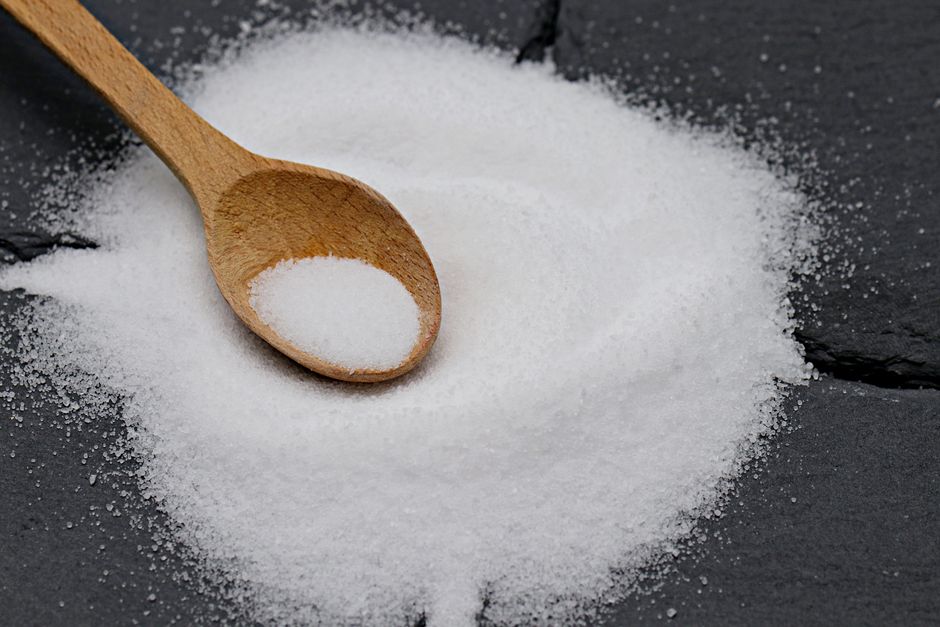
Most Americans eat far more sodium than their bodies need, and the extra comes almost entirely from processed and restaurant food rather than the salt shaker. The most direct way to decrease sodium intake is to cook more meals at home using whole ingredients, read nutrition labels for sodium content, and choose low-sodium versions of packaged foods when you do buy them. These three habits alone can cut daily sodium from the typical 3,400 milligrams down toward the recommended limit of 2,300 milligrams for most adults.
Why Is Reducing Sodium Important?
Sodium is an essential mineral. Your body uses it to regulate blood pressure, maintain fluid balance, and support nerve and muscle function. The problem is not sodium itself. The problem is the amount most people consume.
The Dietary Guidelines for Americans recommend limiting sodium to less than 2,300 milligrams per day for most adults. That is about one teaspoon of salt. The average American consumes roughly 3,400 milligrams daily. That extra thousand milligrams matters because excess sodium makes your body hold onto water, which increases blood volume and raises blood pressure.
Over time, high blood pressure damages blood vessels. This increases the risk of heart disease, stroke, and kidney disease. Reducing sodium is one of the most effective dietary changes for lowering blood pressure, especially for people who already have hypertension or are salt-sensitive.
How Much Sodium Do You Actually Need?
The minimum amount of sodium required for normal body function is about 500 milligrams per day. Most people consume several times that amount without trying. Even a diet with no added salt provides some sodium naturally because it occurs in foods like celery, beets, and dairy products.
The 2,300 milligram limit is a ceiling, not a target. The American Heart Association recommends an ideal limit of 1,500 milligrams per day for most adults, particularly those with high blood pressure. This is a stricter goal that some people find difficult to reach. If 1,500 milligrams feels overwhelming, start with 2,300 milligrams and work downward gradually.
Your body adapts to lower sodium over time. Foods that taste bland at first will taste saltier after a few weeks of reduced intake. This is a physiological change in taste receptor sensitivity, not just a matter of willpower.
Where Does Most Hidden Sodium Come From?
About 70 percent of dietary sodium comes from processed and restaurant foods, not from salt added at the table. This is the single most important fact to understand about reducing sodium. You cannot meaningfully lower your intake just by putting away the salt shaker if you continue eating packaged meals and eating out frequently.
The main sources of hidden sodium include:
- Breads and rolls
- Cold cuts and cured meats
- Pizza
- Poultry dishes
- Soups
- Sandwiches and burgers
- Cheese
- Pasta dishes
- Snacks like chips and pretzels
- Egg dishes and omelets
Many of these foods do not taste particularly salty. A slice of bread can contain 150 to 200 milligrams of sodium. A frozen dinner can easily contain over 1,000 milligrams. Condiments are another major source. One tablespoon of soy sauce has about 900 milligrams of sodium. Ketchup, barbecue sauce, salad dressing, and even some tomato sauces add significant amounts.




How To Decrease Sodium Intake When Shopping
Reading nutrition labels is the most reliable way to control sodium intake. The Nutrition Facts label lists sodium in milligrams per serving. Pay attention to the serving size. Many packages contain two or three servings, and eating the whole package triples the sodium you think you are getting.
Use the Percent Daily Value as a quick guide. A food with 5 percent DV or less for sodium is considered low. A food with 20 percent DV or more is considered high. This system helps you compare products quickly without memorizing milligram amounts.
Look for labels that say “low sodium,” “reduced sodium,” or “no salt added.” These terms are regulated by the FDA and have specific meanings. Low sodium means 140 milligrams or less per serving. Reduced sodium means at least 25 percent less sodium than the regular version. No salt added means no salt was added during processing, though the food may still contain naturally occurring sodium.
Choose fresh or frozen vegetables over canned ones. If you use canned vegetables or beans, rinse them thoroughly under running water. Research has shown that rinsing canned beans can remove up to 40 percent of the sodium. This is a simple step that makes a measurable difference.
Buy unsalted nuts and seeds instead of roasted and salted versions. Choose fresh meat, poultry, and fish instead of marinated, brined, or pre-seasoned versions. Even “fresh” chicken is sometimes injected with a salt solution to increase moisture and weight. Check the label for words like “contains up to 15 percent salt solution.”
How To Cut Sodium When Cooking at Home
Home cooking gives you complete control over sodium, but only if you change your cooking habits. The first step is to reduce or eliminate added salt in recipes. Most recipes call for more salt than necessary. You can usually cut the salt in half without noticing a difference in the final dish.
Use salt-free seasonings instead. Garlic powder, onion powder, black pepper, paprika, cumin, oregano, thyme, rosemary, and chili powder add flavor without sodium. Citrus juice and vinegar provide acidity that enhances flavor perception, making food taste saltier than it is. A squeeze of lemon over fish or vegetables can replace a significant amount of salt.
Be careful with seasoning blends. Many commercial spice mixes contain salt as the first or second ingredient. “Garlic salt” is not the same as “garlic powder.” Check the ingredient list and choose single spices or salt-free blends.
Cook grains like rice, quinoa, and pasta in unsalted water. These foods absorb the water they cook in, so salted cooking water adds sodium directly to the final product. The same applies to boiling vegetables.
Make your own broths and stocks, or buy low-sodium versions. Regular chicken broth can contain 800 to 900 milligrams of sodium per cup. Low-sodium versions contain about 140 milligrams. This one swap can dramatically lower the sodium in soups, stews, and sauces.
How To Manage Sodium When Eating Out
Restaurant food is notoriously high in sodium because chefs season for flavor, not health. A single restaurant meal can contain more than the entire daily recommended limit. You can reduce this by being strategic about what you order.
Ask for sauces and dressings on the side. This gives you control over how much you use. Dipping your fork into the dressing before picking up the salad uses less than pouring the dressing directly onto the salad.
Request that your meal be prepared without added salt. Many restaurants will accommodate this request, especially for grilled meats, fish, and vegetables. This is more effective than simply not using the salt shaker at the table.
Choose grilled, baked, roasted, or steamed items instead of fried. Fried foods absorb salt from the batter and cooking process. Avoid dishes described as “crispy,” “breaded,” “smoked,” “cured,” or “in a rich sauce.” These preparation methods typically indicate high sodium content.
Order vegetables as a side instead of fries. Ask if the vegetables are cooked with salt or butter. If they are, ask for a plain steamed version. Many restaurants will accommodate this without issue.
How Long Does It Take To Adjust to Less Salt?
Taste buds adapt to lower sodium levels relatively quickly. Most people notice a difference within two to four weeks of consistently reducing sodium intake. Foods that previously tasted normal may start to taste overly salty. This is a sign that your taste receptors are becoming more sensitive to sodium.
Blood pressure changes can occur even faster. Research consistently shows that reducing sodium intake lowers blood pressure within weeks for many people, particularly those with hypertension. The effect is dose-dependent. Greater reductions in sodium produce greater reductions in blood pressure.
Some people are more salt-sensitive than others. Salt sensitivity is influenced by genetics, age, and existing health conditions. Older adults, people with diabetes, and people with chronic kidney disease tend to be more salt-sensitive. For these individuals, even modest sodium reductions can have a meaningful impact on blood pressure.
What About Salt Substitutes?
Salt substitutes replace sodium chloride with potassium chloride. They taste similar to salt but contain little or no sodium. These products can be helpful for people trying to reduce sodium, but they are not appropriate for everyone.
People with kidney disease, people taking certain blood pressure medications, and people with conditions that affect potassium levels should not use salt substitutes without consulting a doctor. Excess potassium can be dangerous for these individuals. If you have any chronic health condition, talk to your healthcare provider before using a salt substitute.
For healthy individuals, potassium chloride-based salt substitutes are generally considered safe in normal culinary amounts. Some research suggests that replacing regular salt with a potassium-based substitute may lower blood pressure and reduce cardiovascular risk. However, the evidence is strongest for people who already have high blood pressure.
Frequently Asked Questions
How quickly does cutting sodium lower blood pressure?
Blood pressure can begin to drop within days to weeks of reducing sodium intake, especially in people with hypertension. The full effect typically appears within two to four weeks of consistent dietary change.
Is sea salt healthier than table salt?
Sea salt and table salt contain nearly the same amount of sodium by weight. Sea salt is less processed and contains trace minerals, but the amounts are too small to matter for health.
Does drinking more water flush out sodium?
Drinking water helps your kidneys excrete sodium, but it cannot offset a consistently high-sodium diet. Adequate hydration supports normal kidney function, but reducing sodium intake is the only reliable way to lower your daily sodium load.
Can I train myself to prefer less salt?
Yes. Taste buds adapt to lower sodium levels over roughly two to four weeks. Foods that initially taste bland will gradually taste normal, and high-sodium foods will begin to taste overly salty.
