
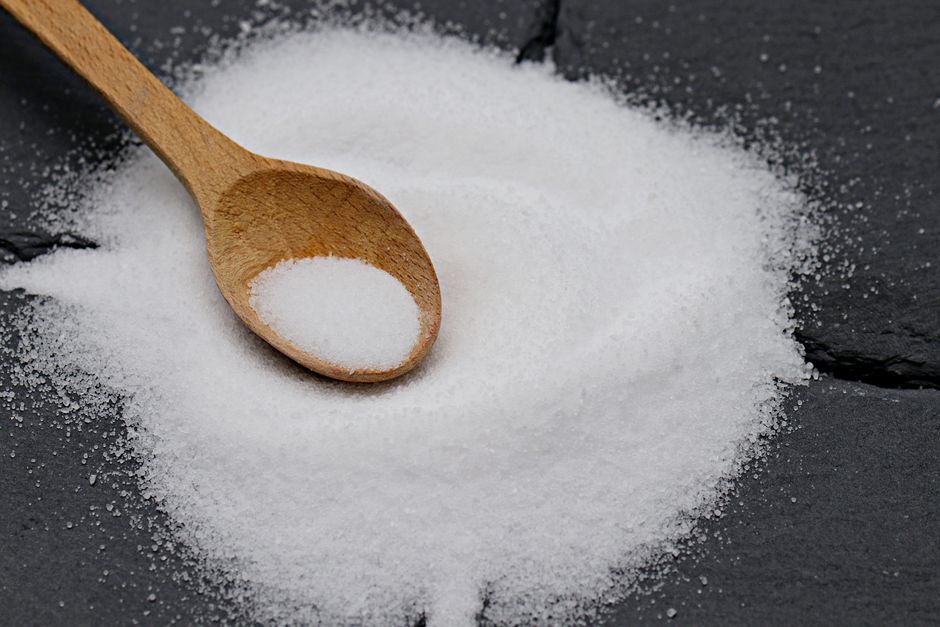
Most adults should keep sodium under 2,300 milligrams a day. That is about one teaspoon of table salt. The American Heart Association suggests an even lower target of 1,500 mg for most adults, especially those with high blood pressure. The tricky part is that roughly 70 percent of the sodium Americans eat does not come from a salt shaker. It comes from packaged, processed, and restaurant food.
How Much Sodium In A Day Does the Body Actually Need?
The human body needs only a small amount of sodium to work properly — somewhere in the range of 500 mg per day for basic physiological functions. Sodium helps maintain fluid balance, supports nerve signaling, and helps muscles contract and relax.
That 500 mg figure is a physiological minimum, not a recommended intake. It is the amount needed to replace what the body loses through sweat, urine, and normal metabolism. In practice, almost no one eating a typical Western diet comes anywhere near that low. The real concern runs in the opposite direction.
The gap between what the body needs and what most people consume is large. Average sodium intake in the United States is roughly 3,400 mg per day. That is well above every major public health target.
What Do Major Health Organizations Recommend?
Different organizations set different targets, and the reasons for the differences are worth understanding.
- Dietary Guidelines for Americans: recommends limiting sodium to less than 2,300 mg per day for adults and children age 14 and older.
- American Heart Association: recommends no more than 2,300 mg per day, with an ideal limit of 1,500 mg per day for most adults, particularly those with high blood pressure.
- World Health Organization: recommends less than 2,000 mg of sodium per day for adults.
The 1,500 mg target from the AHA is not a universal requirement. It is aimed at people who already have hypertension or are at higher risk. For a healthy 40-year-old with normal blood pressure, 2,300 mg is the standard limit.
One clarification that gets lost: sodium and salt are not the same thing. Salt is sodium chloride. By weight, salt is about 40 percent sodium and 60 percent chloride. So 1 teaspoon of salt contains roughly 2,300 mg of sodium. When a label says “sodium,” it is already accounting for this.
Why Does Sodium Matter So Much for Blood Pressure?
Sodium pulls water into the bloodstream. When you eat more sodium than your kidneys can efficiently excrete, the extra sodium holds onto fluid. That extra fluid raises blood volume, and higher blood volume means higher pressure against artery walls.
This is a well-established mechanism. It is not the only factor in high blood pressure, but it is one of the most studied and most modifiable. Research consistently shows that reducing sodium intake lowers blood pressure, with the largest effects in people who already have hypertension, are older, or are of African descent.
High blood pressure is a leading risk factor for heart disease and stroke. The connection between excess sodium and cardiovascular risk runs largely through this blood pressure pathway, though some research suggests sodium may also affect blood vessels and the heart through other mechanisms that are still being studied.




Where Does Most Dietary Sodium Come From?
It is not the salt shaker. According to the Centers for Disease Control and Prevention, more than 70 percent of sodium in the typical American diet comes from processed and restaurant foods. Some of the biggest sources are not foods most people think of as salty.
- Deli meats and cured meats
- Canned soups and broths
- Frozen prepared meals
- Bread and rolls
- Cheese
- Pizza
- Savory snacks and crackers
- Condiments and salad dressings
Bread is a good example of how sodium adds up quietly. A single slice may have 150 to 200 mg. Eat two slices of toast and a sandwich later, and you have consumed a meaningful share of your daily limit without tasting anything particularly salty.
Restaurant food is another major contributor. A single restaurant entrée can contain more than 2,000 mg of sodium — close to or above an entire day’s limit in one meal.
How Can You Tell How Much Sodium Is in Your Food?
The Nutrition Facts label is the most reliable tool. In the United States, it lists sodium in milligrams per serving. A few reference points help put those numbers in context:
- Low sodium: 140 mg or less per serving
- Moderate sodium: 140 to 400 mg per serving
- High sodium: more than 400 mg per serving
These thresholds are defined by the U.S. Food and Drug Administration for labeling purposes. They are not daily limits — they are per-serving guides to help you judge individual foods.
One practical habit: check the serving size first. A can of soup may list 600 mg of sodium per serving but contain two or more servings. Eating the whole can doubles the number.
Does Everyone Need to Cut Sodium the Same Amount?
No. Sodium sensitivity varies from person to person, and some people are more affected by sodium than others. Groups that tend to be more sodium-sensitive include:
- People with existing high blood pressure
- Adults over age 50
- People with diabetes or chronic kidney disease
- People of African descent
For these groups, reducing sodium tends to produce a larger drop in blood pressure. For a young, healthy person with normal blood pressure, the effect of cutting sodium may be smaller — but the long-term risk reduction still matters, since blood pressure tends to rise with age.
There is ongoing scientific debate about how low is too low. Some researchers have raised questions about whether very low sodium intake could have risks of its own, but the evidence on this is mixed and not strong enough to change current recommendations. The general clinical direction remains: most people benefit from eating less sodium, not more.
What About Potassium and Other Minerals?
Potassium works in the opposite direction of sodium. It helps the body excrete sodium and relaxes blood vessel walls. Research published in the New England Journal of Medicine and other major journals has found that higher potassium intake is linked to lower blood pressure.
Foods high in potassium include bananas, potatoes, beans, spinach, and yogurt. Getting more potassium from food — not supplements — is generally the safer approach. Potassium supplements can be risky for people with kidney disease or those taking certain medications, so they should only be used under medical supervision.
The relationship between sodium and potassium is one reason that whole foods tend to support healthier blood pressure than processed foods. Whole foods are typically low in sodium and high in potassium. Processed foods tend to be the reverse.
How Do You Actually Reduce Sodium Without Losing Flavor?
Cutting sodium does not mean eating bland food. It means shifting where flavor comes from.
- Use herbs, spices, garlic, onion, and citrus instead of salt
- Rinse canned beans and vegetables to remove some surface sodium
- Choose “no salt added” or “low sodium” versions of canned goods
- Cook more meals at home, where you control the sodium
- When eating out, ask for sauces and dressings on the side
- Compare labels and pick the lower-sodium option when possible
Taste buds adjust. Research indicates that after a few weeks of eating less salt, people often find highly salted foods too salty. The adjustment period varies, but it is real.
One thing that does not work well: relying on “sea salt” or “Himalayan salt” as a healthier alternative. These salts have essentially the same sodium content as regular table salt. The trace minerals they contain are present in amounts too small to matter nutritionally.
Frequently Asked Questions
How much sodium should I have per day?
Most adults should aim for less than 2,300 mg of sodium per day, which is about one teaspoon of salt. The American Heart Association suggests an ideal limit of 1,500 mg for most adults, especially those with high blood pressure.
Is 2,000 mg of sodium a day too much?
No, 2,000 mg per day is below the 2,300 mg upper limit recommended for most adults. It is slightly above the AHA’s ideal target of 1,500 mg but still within a range considered acceptable for healthy people.
What happens if you eat too much sodium?
Excess sodium causes the body to retain fluid, which raises blood volume and can increase blood pressure over time. Chronically high blood pressure raises the risk of heart disease, stroke, and kidney problems.
Can you cut sodium too low?
The evidence on very low sodium intake is mixed, and some researchers have questioned whether extremely low levels carry risks. Current guidelines do not recommend going below the established targets, and very low sodium diets should only be followed under medical supervision.
