
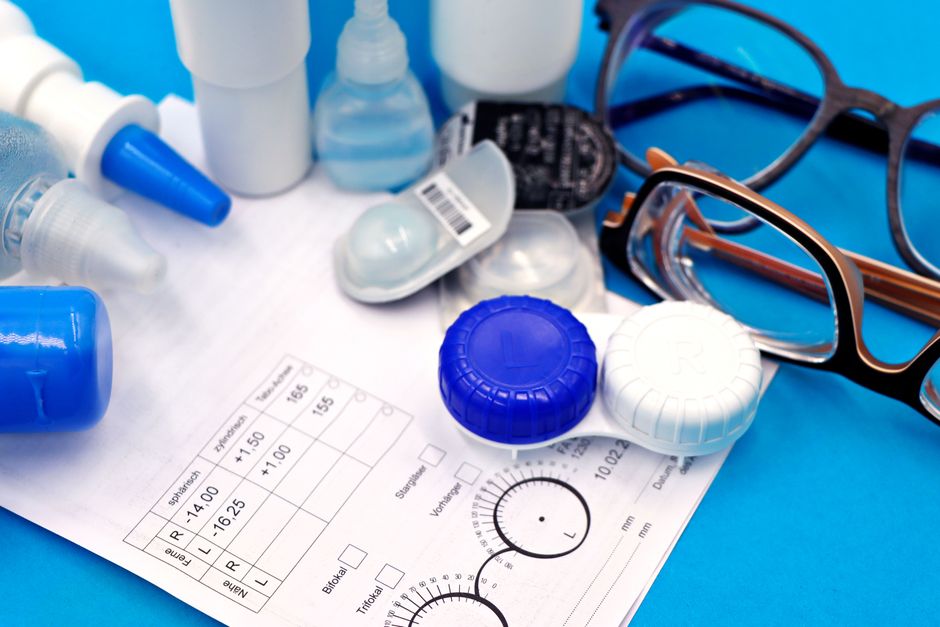
Contact lenses cost between roughly $150 and $500 per year for most people in the United States, though the total depends on what you buy and how you wear them. The biggest single expense is usually the eye exam and fitting, not the lenses themselves. Daily disposable lenses tend to cost more per year than monthly lenses, but they require fewer cleaning supplies and replacement cases.
That range covers standard soft lenses for common vision problems. Specialty lenses for astigmatism, presbyopia, or irregular corneas often cost more. So does anything custom-made. Below is a breakdown of what drives the price, what insurance may cover, and where the real costs hide.
How Much Do Contacts Cost Per Year?
Most people spend $150 to $500 annually on contact lenses and related care. The exact number depends on lens type, replacement schedule, and whether you need a new prescription each year.
Here is how the main categories typically break down:
- Daily disposable lenses: often the highest yearly lens cost, since you use a fresh pair every day. No cleaning solutions needed.
- Two-week and monthly lenses: lower yearly lens cost, but you add multipurpose solution, cases, and more careful hygiene.
- Toric lenses (for astigmatism): usually priced above standard spherical lenses.
- Multifocal lenses (for presbyopia): also priced higher than standard lenses.
The lens cost is only part of the picture. A yearly eye exam and contact lens fitting can add $100 to $250 or more, depending on the provider and your location. Some offices bundle the exam and fitting; others charge separately.
Prices vary widely by region and retailer. A pair of lenses sold online may cost less than the same brand sold through a doctor’s office, though you still need a valid prescription to buy them.
What Does a Contact Lens Exam and Fitting Cost?
A contact lens exam and fitting generally costs more than a standard glasses exam. The fitting fee reflects extra work: measuring your cornea, checking tear film, and confirming the lenses sit correctly on your eye.
Typical charges break down like this:
- Comprehensive eye exam: often $75 to $200 without insurance.
- Contact lens fitting fee: often $25 to $150, sometimes higher for specialty lenses.
- Follow-up visits: sometimes included, sometimes billed separately.
The fitting fee is not a one-time lifetime cost. If you switch lens brands or your prescription changes significantly, you may pay a new fitting fee.
This is the cost people most often overlook. They compare lens prices online and forget that the exam and fitting are required before any purchase. In the United States, contact lenses are medical devices, and you need a valid prescription to buy them — even online.
Why Do Daily Contacts Cost More Than Monthly Contacts?
Daily disposable lenses cost more per year because you throw away a new pair every day. Monthly lenses spread the cost of fewer lenses across the same year.
The math is simple. If you wear lenses every day, daily disposables mean roughly 365 pairs per year. Monthly lenses mean about 12 pairs, plus cleaning solution. That is why the yearly lens cost is usually higher for dailies.
But the comparison is not only about the sticker price. Daily disposables eliminate the need for cleaning solution, lens cases, and the daily cleaning routine. Some people find that convenience worth the added cost. Others prefer the lower upfront price of monthlies.
There is also a hygiene angle. Research consistently shows that poor lens hygiene raises the risk of eye infection. Daily disposables remove some of that risk because there is no cleaning step to get wrong. That does not make them risk-free, but it removes one common source of problems.



Does Insurance Cover Contact Lenses?
Vision insurance often covers part of the cost, but coverage varies widely and rarely pays for everything. Many plans allow a set dollar amount toward lenses or frames, and you choose how to apply it.
Here is what to check in your plan:
- Material allowance: a fixed amount toward lenses, often $100 to $150 per year.
- Exam coverage: many plans cover a routine eye exam, sometimes with a copay.
- Fitting fee coverage: often not covered, or only partly covered.
- Medically necessary lenses: some plans cover more if lenses are needed for a medical condition, not just vision correction.
Standard health insurance usually does not cover routine contact lenses. It may cover lenses after certain eye surgeries or for specific medical conditions, but that depends on the plan.
Flexible spending accounts and health savings accounts can often be used for contact lenses and exams. That can lower the real cost if you set money aside before taxes.
Are Cheaper Contacts a Bad Idea?
Lower price does not automatically mean lower quality, but buying lenses without a valid prescription is risky and illegal in the United States. Contact lenses are regulated medical devices for a reason.
Lenses that do not fit your eye correctly can cause scratches on the cornea, reduce oxygen flow to the eye, and raise infection risk. A proper fitting checks for these problems before they start.
Some ways people try to cut costs carry real risk:
- Buying decorative or cosmetic lenses without a prescription.
- Wearing lenses longer than the recommended schedule to stretch supplies.
- Sharing lenses with another person.
- Sleeping in lenses not approved for overnight wear.
Wearing lenses past their replacement schedule is one of the most common mistakes. It saves money in the short term but raises the chance of infection and discomfort. The lens material breaks down and collects deposits over time, even with good cleaning.
A cheaper lens that fits well and is worn correctly is a reasonable choice. A cheap lens worn incorrectly is not a bargain.
What Hidden Costs Should You Expect?
The lens price tag rarely tells the whole story. Several costs show up after you start wearing contacts, and they add up over a year.
Common extras include:
- Cleaning solution: needed for reusable lenses, often $10 to $20 per bottle, replaced every month or two.
- Lens cases: low cost, but they should be replaced regularly.
- Rewetting drops: optional, but many wearers use them, especially in dry environments.
- Replacement lenses: if you lose or tear a lens, you may need to buy more before the scheduled replacement.
- Follow-up visits: some providers charge for these separately.
Daily disposable wearers skip most of these extras. That is part of why the higher lens price can partly offset itself. Monthly lens wearers should budget for solution and cases on top of the lenses.
One cost people rarely plan for is switching. If your first lens brand does not work out, you may need another fitting and another set of trial lenses. Some providers include a trial period; others do not.
How Do You Lower the Cost Without Cutting Corners?
You can reduce contact lens costs without skipping the exam or wearing lenses too long. The safest savings come from comparing prices and using your benefits well.
Practical steps include:
- Ask your eye doctor for a written prescription, which you are entitled to receive.
- Compare prices from your doctor’s office and reputable online sellers.
- Use vision insurance or a flexible spending account if you have one.
- Ask whether the fitting fee includes follow-up visits.
- Choose a lens type that matches how often you actually wear lenses.
If you only wear contacts a few days a week, daily disposables may cost less overall than monthlies that dry out or get discarded unused. If you wear lenses every day, monthlies may cost less on lenses but more on supplies.
The right choice depends on your eyes, your habits, and your budget. An eye care professional can help match the lens type to how you live, not just to the lowest price.
Frequently Asked Questions
How much do contacts cost per year?
Most people spend about $150 to $500 per year on contact lenses and related care. The total depends on lens type, replacement schedule, and whether exams and fittings are included.
Are daily contacts more expensive than monthly contacts?
Yes, daily disposable lenses usually cost more per year on lenses alone than monthly lenses. However, dailies do not require cleaning solution or lens cases, which offsets some of the difference.
Does insurance pay for contact lenses?
Vision insurance often covers part of the cost, typically through a fixed allowance toward lenses. Standard health insurance usually does not cover routine contact lenses.
Can I buy contacts without an eye exam?
No, you need a valid prescription to buy contact lenses in the United States, including online. Buying lenses without a prescription is illegal and raises the risk of eye injury.
