
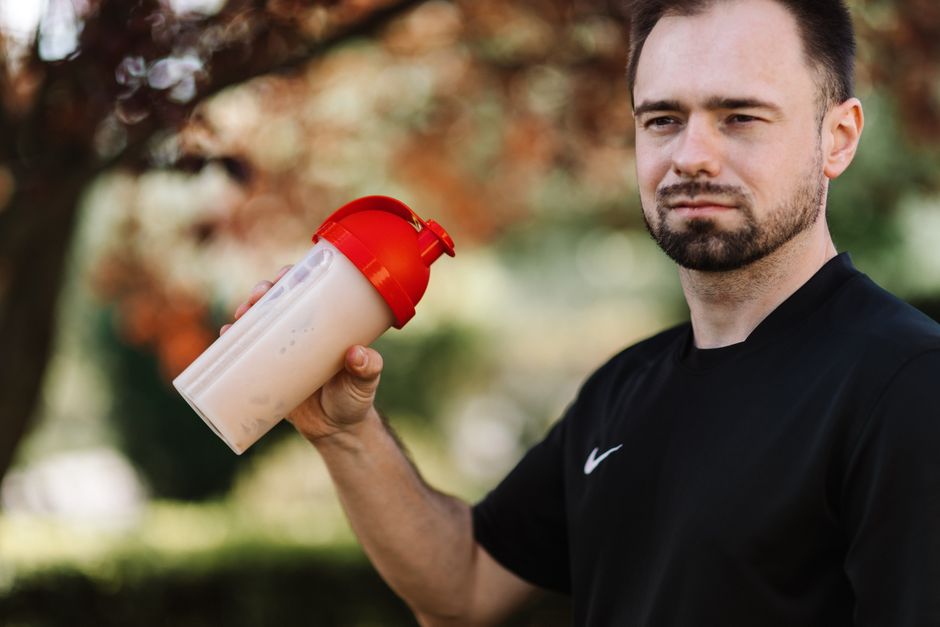
Walk into any supplement store and you will see dozens of protein powders, all promising lean muscle, better recovery, and a healthier body. The truth is simpler and less dramatic. Protein powder is a convenience food. It is a concentrated source of protein, and most people can meet their protein needs from regular food without it. What separates a good protein powder from a poor one comes down to three things: where the protein comes from, whether the product is safe, and whether it has been tested to contain what the label claims.
Good protein powder starts with a clean source of protein — whey, casein, soy, pea, or egg — and a short ingredient list. Safety depends on how the product is manufactured and whether it has been screened for heavy metals and other contaminants. Testing matters because independent labs have repeatedly found that some protein powders contain less protein than the label states, or contain lead, cadmium, arsenic, or mercury at levels that raise concern. No single powder is best for everyone. The right choice depends on your diet, your digestion, and how the product was made and verified.
What Is Good Protein Powder Sources Safety And Testing?
A good protein powder is one with a clearly named protein source, a short ingredient list, and independent testing that confirms the label is accurate and the product is low in contaminants. Those three factors matter more than brand, flavor, or marketing claims. A powder can be popular, expensive, and still fail on testing.
Protein powders are classified as dietary supplements in the United States, not as drugs. That distinction is important. Under current law, supplements do not need pre-market approval from the FDA before they are sold. The FDA can act after a product reaches the market if it is found to be unsafe or mislabeled, but the burden of proof does not fall on the manufacturer before sale. This is why third-party testing is a practical safeguard for consumers.
Source, safety, and testing are separate questions. A protein can come from an excellent source and still be contaminated. A product can be tested for purity and still contain a long list of unnecessary additives. Good protein powder meets all three standards at once.
Which Protein Sources Are Used in Protein Powder?
Most protein powders are built on one of a handful of protein sources, each with a different amino acid profile, digestion speed, and allergen profile. The source is the foundation, and it is the first thing to check on a label.
- Whey — a milk protein with a complete amino acid profile and fast digestion. It is the most studied protein for muscle building. Concentrate and isolate differ in how much lactose and fat they contain.
- Casein — also from milk, but digested slowly. Often used before bed because it releases amino acids over a longer period.
- Soy — a complete plant protein. It is one of the few plant proteins that contains all essential amino acids in amounts comparable to animal protein.
- Pea — a plant protein that is low in one essential amino acid, methionine, so it is often blended with rice protein to fill the gap.
- Egg — a complete protein, though less common in powders than whey or plant blends.
Whey and casein contain lactose, which can cause digestive discomfort in people who are lactose intolerant. Whey isolate has less lactose than concentrate. Plant-based powders are the usual choice for people who avoid dairy or eat vegan. Blends of pea and rice protein can match the amino acid profile of animal protein reasonably well, though the evidence on long-term muscle outcomes with plant versus animal protein is still developing.
What Does Protein Powder Testing Actually Check?
Testing checks two things: whether the product contains the amount of protein the label claims, and whether it contains contaminants that should not be there. Both matter, and both have been found to fail in real products.
Independent testing organizations have repeatedly found protein powders with heavy metals, including lead, cadmium, arsenic, and mercury. These metals occur naturally in soil and water and can end up in plant-based proteins in particular, since plants take up metals from the ground. The amounts vary widely between products. Some are low enough to be of little concern. Others are not.
Protein content itself has also been a problem. Some products tested by independent labs contained less protein than the label stated. This is why a certificate of analysis, or COA, matters. A COA is a document from a lab showing what was found in a specific batch. Not every brand publishes one, but the ones that do give consumers a way to check claims rather than trust them.
Third-party certification programs exist to fill the gap left by limited regulation. These programs test products independently and allow brands to display a seal if they pass. The seal is not a guarantee of health benefit. It is a statement about what is in the container.
How Do You Read a Protein Powder Label?
A label tells you what is in the product, but only if you know what to look for. The most useful information is not on the front of the tub. It is on the back, in the nutrition facts and ingredient list.
Start with the protein source. It should be named clearly — whey isolate, pea protein, soy protein isolate — not hidden behind a vague phrase like “protein blend.” A blend is not automatically bad, but it makes it harder to know what you are getting.
Next, check the protein amount per serving. This is listed in grams on the nutrition facts panel. Compare it to the total scoop size. If a 30-gram scoop contains 24 grams of protein, most of the scoop is protein. If it contains 12 grams, much of the scoop is filler, sugar, or fat.
Then read the ingredient list. Shorter is generally better, but length alone is not the point. Look for added sugars, artificial sweeteners you want to avoid, and ingredients you do not recognize. Some additives are harmless. Others are there to improve texture or taste, not nutrition.
Finally, look for a third-party testing seal or a published certificate of analysis. If neither is present, you are relying on the brand’s word alone.
Are Protein Powders Safe?
For most healthy adults, protein powders are safe when used as directed and when the product is clean. The main safety concerns are contamination, allergens, and excessive use — not the protein itself.
Contamination is the biggest documented issue. Heavy metals have been found in a range of products, and the levels vary by brand and by batch. This is a real concern, not a theoretical one, though the health risk from any single serving is generally low. The concern grows with daily, long-term use.
Allergens are a second issue. Whey and casein come from milk. Soy protein comes from soybeans. Egg protein comes from eggs. People with allergies to these foods should avoid the corresponding powders. Labels are required to list major allergens, so this information is usually easy to find.
A third concern is dose. Protein powder is a supplement, not a replacement for food. Very high protein intake over long periods has been studied, and for people with healthy kidneys it has not been shown to cause kidney damage. But people with existing kidney disease should talk to a doctor before increasing protein intake, because the kidneys handle protein waste and impaired kidneys may not manage a heavy load well.
There is also the question of what else is in the tub. Some powders contain added sugars, artificial flavors, or stimulants. These are not safety issues in the sense of contamination, but they change what you are actually consuming.
How Much Protein Do You Actually Need?
Most adults need far less protein than supplement marketing suggests. The general recommendation for healthy adults is about 0.8 grams of protein per kilogram of body weight per day. For a 150-pound adult, that is roughly 55 grams of protein a day, which is easy to get from food.
People who exercise heavily or want to build muscle may need more. Some research suggests higher intakes — often cited in the range of 1.2 to 2.0 grams per kilogram per day — can support muscle growth and recovery in people who train. The exact amount depends on training intensity, goals, and individual factors, and the evidence does not support one universal number.
Here is the part that gets lost. Food provides protein too. A chicken breast, a cup of Greek yogurt, a serving of lentils, or a few eggs can cover a large share of daily needs. Protein powder is useful when food is inconvenient — after a workout, during travel, or when appetite is low. It is not necessary for most people, and it is not a shortcut around a poor diet.
No clinical guidelines currently exist for protein powder use in children, pregnant women, or breastfeeding women. Anyone in these groups should talk to a healthcare provider before using protein supplements rather than relying on general adult recommendations.
What Should You Look For When Buying Protein Powder?
Buying a good protein powder comes down to a short checklist. The source should be clear, the ingredient list should be simple, and the product should have independent testing behind it.
- Named protein source, not a vague blend
- Protein amount per serving that matches the scoop size
- Short ingredient list without unnecessary additives
- Third-party testing seal or published certificate of analysis
- Allergen information that matches your needs
- No claims of curing, treating, or preventing disease — those claims are not allowed on supplements and are a red flag
Ignore front-of-package claims like “muscle builder” or “fat burner.” Those are marketing phrases, not regulated health claims. The back of the label is where the real information lives.
Price is not a reliable signal of quality. Some expensive powders have failed testing. Some affordable ones have passed. The testing seal and the ingredient list tell you more than the price tag.
Does Protein Powder Help With Weight Loss or Muscle Building?
Protein powder can support muscle building when it is part of a diet that already provides enough total protein and when it is paired with resistance training. The training is what drives muscle growth. Protein provides the raw material. Without training, extra protein does not build muscle on its own.
For weight loss, the picture is less clear. Protein can help with fullness, which may make it easier to eat less overall. But protein powder itself does not cause weight loss. Any effect comes from the role protein plays in a broader diet, not from the powder as a product. Some powders are high in added sugar and calories, which works against weight goals.
Some research suggests that higher protein intake may help preserve muscle during weight loss, especially in older adults. That is a reasonable area of study, but it does not mean protein powder is a weight loss tool. It means protein, from food or powder, matters for body composition when calories are reduced.
The honest position is this: protein powder is a convenient way to add protein. It is not a fat burner, a metabolism booster, or a shortcut. Treat it like a food, and judge it like one.
Frequently Asked Questions
Is protein powder safe to use every day?
For most healthy adults, daily use of a clean, tested protein powder is considered safe. The main concern with daily use is cumulative exposure to contaminants like heavy metals, which is why third-party testing matters more for regular users than occasional ones.
What is the healthiest protein powder?
There is no single healthiest protein powder, because the best choice depends on your diet, allergies, and digestion. A powder with a named protein source, a short ingredient list, and independent testing is a better marker of quality than any specific protein type.
Do protein powders actually contain what the label says?
Not always. Independent testing has found some products with less protein than the label claims, and others with heavy metals present. A third-party testing seal or a published certificate of analysis is the most reliable way to confirm what is in a product.
Can protein powder replace meals?
Protein powder is a supplement, not a meal replacement, because it lacks the fiber, vitamins, minerals, and fats that whole foods provide. Using it occasionally in place of a meal is different from relying on it as a regular substitute.
