
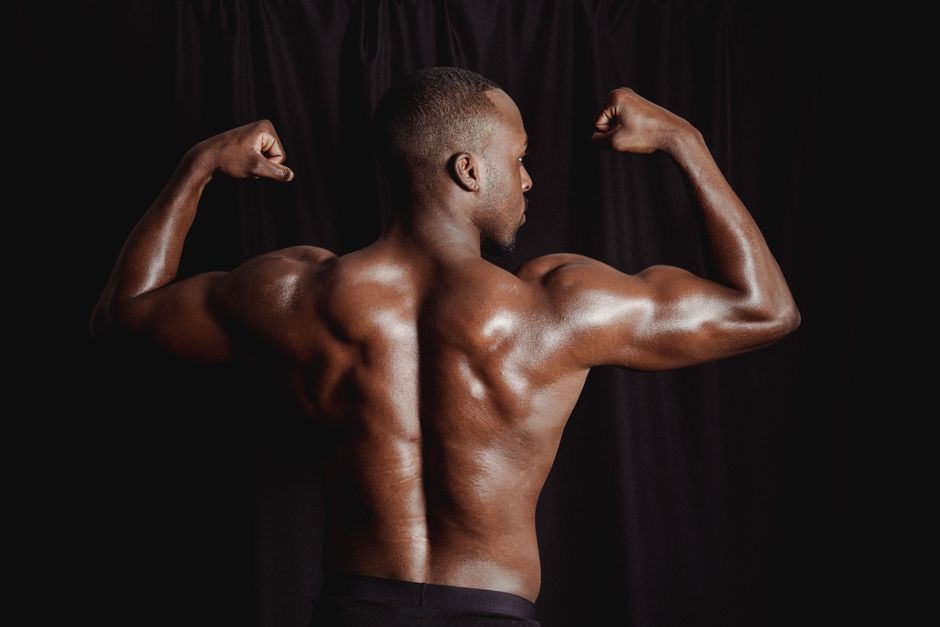
Building muscle requires two things: resistance training and enough protein. For most healthy adults, eating about 0.7 to 1 gram of protein per pound of body weight each day is the evidence-based target for muscle gain. That works out to roughly 1.6 to 2.2 grams per kilogram of body weight. A 180-pound person would aim for 126 to 180 grams of protein daily. This range comes from sports nutrition research and clinical guidelines, not marketing. It applies to people doing regular strength training. If you are sedentary, you need less. If you are very lean and training hard, the higher end of the range may serve you better.
Why Protein Matters for Muscle Growth
Muscle tissue is in a constant state of breakdown and rebuilding. Resistance training creates small tears in muscle fibers. Your body responds by repairing those fibers and making them thicker and stronger. That repair process requires amino acids, which come from dietary protein.
When you eat protein, your body breaks it into amino acids. These enter your bloodstream and are taken up by muscle tissue. If enough amino acids are available, your body shifts into a net muscle-building state. If protein intake is too low, the repair process stalls. You may still recover, but you will not build new muscle tissue at a meaningful rate.
This is why protein intake matters more during a muscle-building phase than at any other time. Your body needs a steady supply of building blocks. Missing them on a regular basis limits your results even if your training program is excellent.
How Much Protein To Eat To Gain Muscle: The Numbers
The most widely cited research on protein intake for muscle gain points to a consistent range. Studies published in the Journal of the International Society of Sports Nutrition and similar peer-reviewed journals have examined protein intakes across different training populations. The consistent finding is that intakes of 1.6 to 2.2 grams per kilogram of body weight per day maximize muscle growth in most people doing resistance training.
Here is what that looks like in practical terms:
- A 150-pound person: 109 to 150 grams per day
- A 180-pound person: 131 to 180 grams per day
- A 200-pound person: 145 to 200 grams per day
- A 220-pound person: 160 to 220 grams per day
These figures assume you are training consistently. If you are not lifting weights, your protein needs are lower. The recommended dietary allowance for general health is 0.8 grams per kilogram of body weight. That is enough to prevent deficiency but not enough to maximize muscle growth.
Going above 2.2 grams per kilogram does not appear to provide additional muscle-building benefits for most people. Some research suggests higher intakes may help during aggressive calorie restriction, but for general muscle gain, the 1.6 to 2.2 range is the evidence-based target.
Does Protein Timing Matter?
Total daily protein intake matters more than exactly when you eat it. That is the clearest finding from the research. Eating enough protein across the whole day is the priority. Splitting it into smaller doses throughout the day appears to help, but the effect is modest compared with getting the total right.
Most research suggests that spreading protein across three to five meals is effective. A common approach is to aim for 20 to 40 grams of protein per meal for most adults. This gives your body a steady supply of amino acids. One large protein meal at dinner will not work as well as distributing intake.
The post-workout window is real but less narrow than many people believe. You do not need to drink a shake within 30 minutes of finishing your last set. Eating a protein-containing meal within a few hours after training is sufficient for most people. The anabolic window is a period of several hours, not minutes.
One exception is worth noting. If you train fasted or have not eaten for many hours before training, eating protein soon after your workout becomes more important. Your muscles are more responsive to amino acids during this period.

Protein Quality and Food Sources
Not all protein is equal. Protein quality depends on its amino acid profile and how well your body can digest and use it. Complete proteins contain all nine essential amino acids your body cannot make on its own. Animal sources are complete proteins. Most plant proteins are incomplete, meaning they lack one or more essential amino acids.
This does not mean plant-based eaters cannot build muscle. They can, but they need to be more deliberate. Eating a variety of plant protein sources across the day covers the amino acid gaps. Soy and quinoa are plant proteins that are complete on their own. Combining rice and beans or other complementary proteins also works.
Practical protein sources include:
- Chicken breast, turkey, lean beef, pork
- Fish and seafood
- Eggs
- Greek yogurt, cottage cheese, milk
- Tofu, tempeh, edamame
- Lentils, chickpeas, black beans
- Nuts and seeds
- Protein powders for convenience
Whole foods should be the foundation of your protein intake. Protein powders are a supplement, not a replacement. A scoop of whey or plant protein powder can help you hit your target, but it should not be your only source.
Protein Needs Change Based on Your Body Fat
Protein recommendations based on total body weight work well for lean people. If you carry significant body fat, using total body weight can overestimate your needs. Muscle is what uses protein. Fat tissue does not have the same protein requirements.
For people with higher body fat percentages, calculating protein based on lean body mass or target body weight is more accurate. A simpler approach is to use a lower multiplier. Instead of 1.6 to 2.2 grams per kilogram of total body weight, use that range against your goal weight or an estimate of your lean mass.
For example, a 250-pound person with 30 percent body fat has about 175 pounds of lean mass. Using the per-pound range of 0.7 to 1 gram, their target would be 122 to 175 grams per day. Using total body weight would suggest 175 to 250 grams, which is more than needed.
This distinction matters for people who are overweight and starting a muscle-building program. Eating the higher amount is not harmful for most healthy people, but it is unnecessary and can make it harder to stay within a calorie target.
Protein While Cutting vs. Bulking
Your protein target changes depending on whether you are trying to gain muscle, lose fat, or maintain. During a calorie surplus, when you are eating more than you burn, protein needs are moderate. The 1.6 to 2.2 grams per kilogram range applies.
During a calorie deficit, when you are eating less to lose fat, protein needs go up. Research suggests that higher protein intakes of 2.3 to 3.1 grams per kilogram of lean body mass help preserve muscle while losing fat. The exact number depends on how aggressive your calorie deficit is. Deeper deficits require more protein.
This is not a license to eat unlimited protein. It is a strategic adjustment. When calories are low, your body is more likely to break down muscle for energy. Extra dietary protein reduces that risk. Some studies suggest that eating at the higher end of the range during a cut helps people retain more lean mass compared with moderate protein intake.
Can You Eat Too Much Protein?
For healthy people with normal kidney function, high protein intake is not harmful. The idea that protein damages kidneys comes from studies on people with pre-existing kidney disease. In healthy individuals, the research does not support this concern.
That said, extremely high protein intakes are not useful. Eating 400 grams of protein per day will not build more muscle than 180 grams. The excess amino acids are either used for energy or converted and stored. There is a ceiling to how much protein your body can use for muscle building, and the research suggests it is within the ranges discussed here.
One practical consideration is digestion. Some people experience bloating or discomfort with very high protein intakes. This varies by person and by food source. If you notice digestive issues, spreading protein intake across more meals or choosing different protein sources can help.
Frequently Asked Questions
How much protein do I need to build muscle?
Aim for 0.7 to 1 gram of protein per pound of body weight daily, or 1.6 to 2.2 grams per kilogram. This range applies to people doing regular resistance training.
Is 100 grams of protein enough to build muscle?
For a smaller person around 130 to 140 pounds, 100 grams may be enough. For a larger person, it is likely below the effective range.
Can I build muscle with plant protein only?
Yes, you can build muscle with plant protein. You need to eat a variety of plant sources across the day to cover all essential amino acids.
Do I need protein powder to gain muscle?
No, protein powder is not required. Whole food sources like chicken, eggs, fish, dairy, and legumes can meet your protein needs.
