
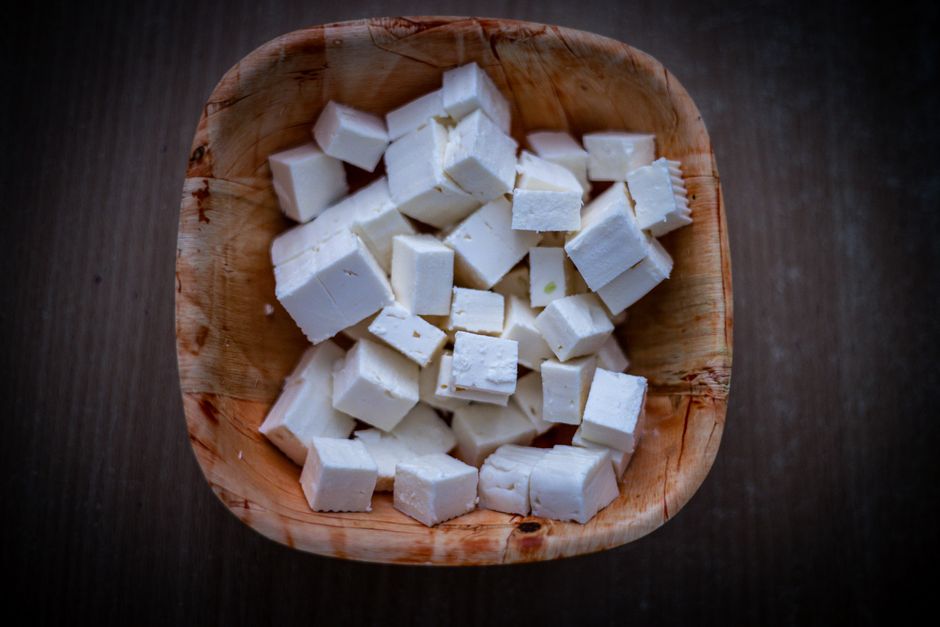
Feta cheese is a popular choice for salads, pastas, and Mediterranean dishes, but many people wonder about its nutritional value. A one-ounce serving of feta cheese (about 28 grams) contains roughly 4 grams of protein. That is less protein than many other cheeses, but feta offers other benefits like a strong flavor, so a little goes a long way. If you are tracking protein intake, knowing exactly what feta provides helps you plan your meals accurately.
How Much Protein In Feta Cheese Compared to Other Cheeses?
Feta is not the highest-protein cheese on the shelf. Most hard cheeses contain more protein per ounce. Cheddar, for example, provides about 7 grams of protein per ounce. Parmesan is even higher, with about 8 to 10 grams per ounce. Mozzarella falls in the middle at around 6 grams per ounce.
Feta’s lower protein content comes from how it is made. Traditional feta is made from sheep’s milk or a mix of sheep’s and goat’s milk. These milks have a different protein-to-fat ratio than cow’s milk. Feta also retains more moisture than aged hard cheeses, which means water takes up space that protein would otherwise occupy.
If you eat feta by weight, you get less protein than with cheddar. But feta has a much stronger, saltier taste. Most people use smaller portions. A typical crumble of feta on a salad might be one ounce. The same volume of shredded cheddar would weigh more and deliver more protein, but you might also eat more of it.
What Is a Standard Serving Size of Feta Cheese?
A standard serving of feta cheese is one ounce, which is about 28 grams. This equals roughly one-quarter cup of crumbled feta. Some nutrition labels list a serving as 1.5 ounces, so always check the label on the brand you buy.
In that one-ounce serving, you get about 4 grams of protein. You also get around 6 grams of fat and 75 calories. The exact numbers vary slightly by brand and by whether the feta is made from sheep’s milk, goat’s milk, or cow’s milk.
Feta is also high in sodium. One ounce can contain 300 to 400 milligrams of sodium, which is about 13 to 17 percent of the recommended daily limit. If you are watching salt intake, feta is a cheese to use sparingly.
Does the Type of Feta Change the Protein Content?
Yes, the milk source matters. Traditional Greek feta is made from sheep’s milk or a blend of sheep’s and goat’s milk. Cow’s milk feta is common in the United States and other countries. The protein content differs slightly between them.
Sheep’s milk has more protein than cow’s milk. Sheep’s milk contains about 5.4 grams of protein per 100 grams, while cow’s milk contains about 3.3 grams. So feta made from sheep’s milk tends to have slightly more protein per serving. The difference is small, usually less than one gram per ounce.
Brined feta versus dry feta also matters. Feta stored in brine absorbs some water, which can dilute the protein content slightly. Dry-aged feta has less moisture and a slightly higher protein concentration. In practice, the differences are minor for most people tracking their daily intake.





Is Feta a Good Source of Protein?
Feta is a moderate protein source, not a high one. It provides complete protein, meaning it contains all nine essential amino acids your body needs from food. This is true for all dairy cheeses, including feta.
For context, an adult with average needs requires about 0.8 grams of protein per kilogram of body weight. A 150-pound person needs about 54 grams of protein per day. One ounce of feta provides about 7 percent of that daily need. That is meaningful, but not substantial.
Feta can still contribute to your daily protein total. Pairing it with other protein sources, like beans in a salad or chicken in a wrap, helps you reach your goals. Feta also adds calcium, with about 140 milligrams per ounce, which is about 14 percent of the daily recommended intake for adults.
How Can You Add Feta to a High-Protein Diet?
If you enjoy feta, you do not need to cut it out. The key is to treat it as a flavor ingredient rather than a primary protein source. A small crumble adds a lot of taste without adding many calories.
Here are some practical ways to use feta while keeping protein intake high:
- Sprinkle feta over a lentil or chickpea salad. The legumes provide the bulk of the protein.
- Add feta to scrambled eggs or an omelet. Eggs supply the main protein, and feta adds flavor.
- Use feta in a wrap with grilled chicken or turkey. The meat provides most of the protein.
- Mix feta into Greek yogurt for a savory dip. The yogurt adds protein and creaminess.
- Crumble feta over roasted vegetables with quinoa. Quinoa is a complete plant protein.
These combinations help you enjoy feta’s taste while still meeting your protein needs. One or two ounces of feta per day is reasonable for most healthy adults, unless you are limiting sodium.
What About Protein Quality in Feta?
Protein quality matters as much as quantity. Feta contains casein and whey proteins, the same proteins found in milk. Casein digests slowly, which can help with satiety. Whey digests quickly and is rich in branched-chain amino acids.
Dairy proteins are considered high-quality because they contain all essential amino acids in good proportions. The protein in feta is highly digestible. Your body can use it efficiently for muscle repair and maintenance.
One limitation is that feta’s protein comes with saturated fat and sodium. If you are using feta specifically to increase protein intake, other options like Greek yogurt, cottage cheese, or lean meats deliver more protein with less fat and salt per serving.
How Much Protein Do You Actually Need From Cheese?
Cheese should not be your primary protein source for most people. Dairy cheese is calorie-dense and often high in saturated fat. The American Heart Association recommends limiting saturated fat to about 13 grams per day for a 2,000-calorie diet. One ounce of feta contains about 4 grams of saturated fat, which is nearly one-third of that daily limit.
That does not mean cheese is unhealthy. It means portion control matters. Using feta as a garnish rather than a main ingredient keeps saturated fat and sodium in check while still adding flavor and some protein.
For vegetarians, feta can be a helpful protein source. For people who eat meat, fish, eggs, or legumes, feta is a complement, not a foundation. The best approach is to get most of your protein from diverse sources and let cheese play a supporting role.
Frequently Asked Questions
Is feta cheese high in protein?
No, feta is moderate in protein compared to other cheeses. A one-ounce serving contains about 4 grams, while cheddar has 7 grams and parmesan has 8 to 10 grams per ounce.
How many grams of protein are in 100 grams of feta?
About 14 grams of protein per 100 grams of feta cheese. This varies slightly by brand and by whether the milk source is sheep, goat, or cow.
Can I eat feta cheese on a high-protein diet?
Yes, but use it as a flavoring rather than a main protein source. One or two ounces adds taste and about 4 to 8 grams of protein, but you should get most of your protein from other foods.
Which cheese has the most protein?
Parmesan and Romano are among the highest, with about 8 to 10 grams of protein per ounce. Feta is on the lower end because it retains more moisture and is often made from sheep’s or goat’s milk.
