
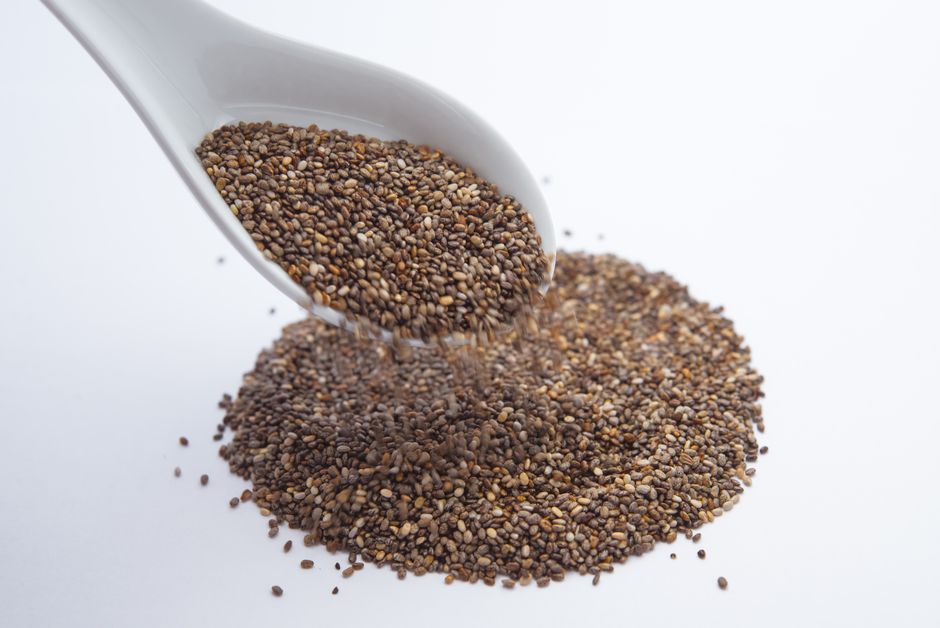
Chia seeds contain about 4.7 grams of protein per two-tablespoon serving, which is the standard 28-gram serving size. That makes them a solid plant-based protein source, though not a complete one on their own. They also bring fiber, healthy fats, and minerals to the table, which is why they are popular in smoothies, puddings, and baked goods.
How Much Protein In Chia Seeds Per Serving?
A standard serving of chia seeds is two tablespoons, which weighs about 28 grams. That serving provides roughly 4.7 grams of protein. This is a well-established figure from USDA nutritional data.
For comparison, one large egg provides about 6 grams of protein. So two tablespoons of chia seeds get you close to what an egg offers, but the protein quality differs. Chia seed protein is incomplete, meaning it does not contain all nine essential amino acids in adequate amounts. In practice, this matters little if you eat a varied diet with other protein sources throughout the day.
How Does Chia Seed Protein Compare to Other Seeds?
Chia seeds are among the higher-protein seeds, but they are not the highest. Here is how they compare per two-tablespoon serving:
- Hemp seeds: About 10 grams of protein per 30-gram serving
- Pumpkin seeds: About 5 grams per 28-gram serving
- Chia seeds: About 4.7 grams per 28-gram serving
- Flax seeds: About 3.7 grams per 28-gram serving
- Sesame seeds: About 3.2 grams per 28-gram serving
Hemp seeds stand out as the clear winner for protein among common seeds. They also provide all essential amino acids, making them a complete protein source. Chia seeds are still a respectable choice, especially when combined with other plant proteins like beans, lentils, or whole grains.
What Else Do Chia Seeds Provide?
Protein is only part of the story. The same two-tablespoon serving of chia seeds delivers about 10 grams of fiber, which is roughly one-third of the daily recommended intake for adults. That fiber is mostly insoluble, which helps with regularity, but chia seeds also contain soluble fiber that forms a gel when mixed with liquid.
Chia seeds are also rich in omega-3 fatty acids, specifically alpha-linolenic acid (ALA). A two-tablespoon serving provides about 5 grams of ALA. The body converts ALA to the active forms of omega-3s, EPA and DHA, but the conversion rate is low. For most people, chia seeds are a useful addition but not a replacement for fish-based omega-3s.
Calcium and magnesium are present in meaningful amounts. Two tablespoons of chia seeds provide about 179 mg of calcium and 95 mg of magnesium. These minerals support bone health and muscle function, respectively.



Is Chia Seed Protein Good Quality Protein?
Protein quality depends on amino acid profile and digestibility. Chia seeds contain all nine essential amino acids, but the amounts of lysine and methionine are lower than ideal. This is typical of many plant proteins.
The digestibility of chia seed protein is considered good. Unlike some legumes that contain antinutrients that block protein absorption, chia seeds do not require soaking or cooking to improve protein availability. You can eat them raw, though soaking them in liquid is common for texture reasons.
Research indicates that combining chia seeds with other plant proteins can create a complete amino acid profile for a meal. For example, pairing chia seeds with beans, lentils, or quinoa covers the amino acid gaps. If you eat a varied diet, you do not need to think about this actively.
How Should You Eat Chia Seeds for Protein?
Chia seeds absorb up to 10-12 times their weight in water, forming a gel. This makes them versatile but also means you need to plan portions carefully. Two tablespoons of dry chia seeds can absorb about one cup of liquid.
Common ways to eat chia seeds include:
- Chia pudding made with milk or plant milk
- Added to smoothies for texture and nutrition
- Sprinkled over yogurt, oatmeal, or salads
- Used as an egg substitute in baking
- Mixed into pancakes, muffins, or bread batters
For the egg substitute, mix one tablespoon of chia seeds with three tablespoons of water and let it sit for 5-10 minutes. This forms a gel that can replace one egg in many baked goods. This works because the gel mimics the binding properties of eggs, though the protein content will be lower than a real egg.
Can Chia Seeds Help You Meet Daily Protein Needs?
The recommended dietary allowance (RDA) for protein is 0.8 grams per kilogram of body weight per day for adults. For a 150-pound person, that comes to about 54 grams of protein daily. Many active people need more, often 1.2-2.0 grams per kilogram depending on activity level and goals.
Two tablespoons of chia seeds contribute about 4.7 grams toward that goal. That is meaningful but not dominant. To get 20 grams of protein from chia seeds alone, you would need to eat roughly eight tablespoons, which is about 560 calories and 40 grams of fiber. That much fiber at once can cause digestive discomfort, including bloating and gas.
The practical approach is to use chia seeds as one protein source among several. They work well in a meal that also includes Greek yogurt, eggs, beans, or lean meat. They should not be your primary protein source, but they add useful amounts along with fiber and minerals.
Are There Any Downsides to Eating Chia Seeds?
Chia seeds are safe for most people, but a few considerations matter. The high fiber content can cause digestive issues if you increase intake too quickly. Start with one tablespoon per day and gradually work up to two tablespoons if you are not used to high-fiber foods.
Because chia seeds absorb so much liquid, there is a theoretical risk of choking or esophageal blockage if eaten dry in large amounts. This is rare and has been reported mostly in people who swallowed dry seeds without liquid. Always soak chia seeds or mix them into foods with moisture before eating.
People taking blood-thinning medications should be aware that chia seeds contain ALA, which has mild blood-thinning effects in high doses. The amounts in a normal serving are unlikely to cause problems, but it is worth mentioning to your doctor if you take anticoagulants and eat chia seeds regularly.
What About Chia Seed Protein Powder?
Chia seed protein powder exists as a commercial product. It is made by pressing the oil out of the seeds and grinding the remaining meal. The protein content is higher per gram than whole seeds because the fat is removed.
The evidence on chia protein powder is limited compared to whole chia seeds. No large human trials have confirmed meaningful health benefits beyond what whole seeds provide. If you prefer the powder for convenience, it is a reasonable option, but it is not superior to whole seeds nutritionally.
Some marketing claims suggest chia protein powder is a complete protein or superior to other plant proteins. These claims are not supported by strong evidence. Treat it as a convenient way to add plant protein to smoothies, not as a special health product.
How Do Chia Seeds Fit Into a High-Protein Diet?
If your goal is high protein intake, chia seeds alone will not get you there. You would need to eat an impractical amount. They work best as a complementary source that also provides fiber and minerals that many high-protein foods lack.
For example, a breakfast of Greek yogurt with two tablespoons of chia seeds and berries provides roughly 20-25 grams of protein. The yogurt supplies most of the protein, while the chia seeds add fiber, ALA, and minerals. This kind of combination is more practical than trying to get all your protein from seeds.
For plant-based eaters, combining chia seeds with legumes or whole grains at meals helps ensure adequate amino acid intake. A lentil soup with a tablespoon of chia seeds stirred in, or oatmeal with chia seeds and peanut butter, are simple ways to do this without much effort.
Frequently Asked Questions
How much protein is in one tablespoon of chia seeds?
One tablespoon of chia seeds contains about 2.4 grams of protein. Two tablespoons, the standard serving size, provide about 4.7 grams.
Are chia seeds a complete protein?
No, chia seeds contain all essential amino acids but in amounts that do not qualify as a complete protein. Combining them with other plant proteins like beans or whole grains covers the gaps.
Can I eat chia seeds every day?
Yes, chia seeds are safe for daily consumption in normal serving sizes. Start with one tablespoon per day if you are not used to high-fiber foods, and always consume them with enough liquid.
Do chia seeds need to be soaked before eating?
Soaking is not required for safety or nutrition, but it improves texture and reduces the risk of choking from dry seeds. Most people prefer them soaked in liquid, such as in pudding or smoothies.
