
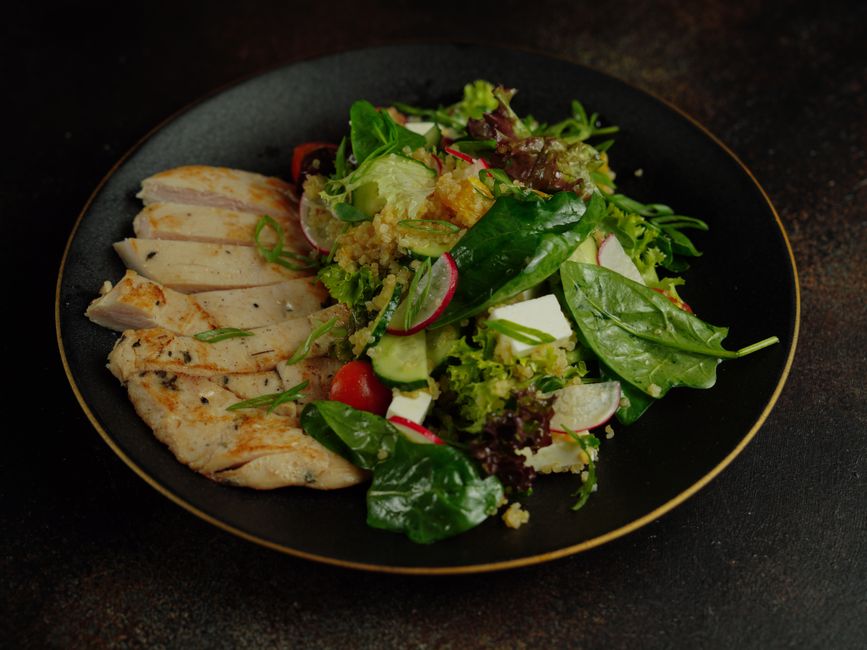
If you eat a 3-ounce portion of chicken breast, you get about 26 grams of protein. That is the number for a skinless, boneless chicken breast that has been cooked. This serving size is roughly the size of a deck of cards or the palm of your hand. It is one of the most protein-dense foods you can eat, and the protein in chicken is complete, meaning it contains all nine essential amino acids your body needs from food.
How Much Protein In 3 Oz Of Chicken Breast Compared To Other Cuts?
The 26-gram number is for a skinless chicken breast. Other cuts of chicken have different amounts of protein and fat. The breast is the leanest part of the bird, which is why it is the most popular choice for people tracking protein intake.
Chicken thighs have slightly less protein per 3-ounce serving. A cooked boneless, skinless thigh gives you about 22 grams of protein. Thighs also have more fat, which gives them more flavor and moisture. Chicken drumsticks and wings have even less protein relative to their weight because they contain more bone, skin, and fat. A 3-ounce serving of cooked drumstick meat (without skin) provides roughly 20 grams of protein.
If you eat the skin, the protein percentage drops because the skin is mostly fat. The actual protein content of the meat stays the same, but you are eating more total weight that is not protein. For accurate tracking, always measure the meat without skin and without bones.
Does Cooking Method Change The Protein Content?
Cooking does not destroy the protein in chicken. The amino acids remain intact regardless of whether you grill, bake, poach, or fry the meat. What changes is the water content.
Raw chicken breast contains about 20 to 22 grams of protein per 3-ounce serving. When you cook it, water evaporates and the meat shrinks. The protein becomes more concentrated by weight. That is why the same 3-ounce portion of cooked chicken has 26 grams of protein. You are comparing the same amount of meat, but the cooked version has lost water and gained density.
This is a common point of confusion. If you weigh your chicken raw and then cook it, the weight will drop. A 4-ounce raw chicken breast may shrink to about 3 ounces after cooking. The protein content does not change. You still get the same 26 grams. The difference is only in the water weight.
Key point for accuracy: Always measure your chicken after cooking if you are using cooked nutrition data. If your recipe calls for raw weight, use the raw protein numbers. Mixing the two will throw off your tracking.
How Does Chicken Protein Compare To Other Protein Sources?
Chicken breast is one of the most efficient sources of protein available. For the calories, you get a very high protein yield. A 3-ounce serving of cooked chicken breast has about 140 calories and 26 grams of protein. That is roughly 0.18 grams of protein per calorie.
Compare that to other common protein sources in a 3-ounce cooked serving:
| Food | Protein (grams) | Calories |
|---|---|---|
| Chicken breast (skinless) | 26 | 140 |
| Lean beef sirloin | 24 | 180 |
| Pork loin | 23 | 170 |
| Salmon | 22 | 175 |
| Tofu (firm) | 8 | 75 |
| Eggs (2 large) | 12 | 140 |
| Greek yogurt (plain) | 15 | 100 |
Chicken breast gives you more protein per calorie than most other animal proteins. Salmon and beef are close but come with more fat and calories per gram of protein. Plant sources like tofu and beans are much lower in protein density, meaning you need to eat larger volumes to match the same protein intake.


What Is The Right Serving Size Of Chicken For Your Goals?
The amount of chicken you should eat depends on your body weight, activity level, and health goals. The Recommended Dietary Allowance (RDA) for protein is 0.8 grams per kilogram of body weight. That is the minimum to prevent deficiency. For a 150-pound person (68 kilograms), that is about 54 grams of protein per day. A single 3-ounce serving of chicken covers nearly half of that.
Most active people need more protein than the RDA. Research published in the Journal of the International Society of Sports Nutrition suggests that people who exercise regularly need 1.4 to 2.0 grams of protein per kilogram of body weight. For that same 150-pound person, that means 95 to 136 grams of protein per day. A 3-ounce serving of chicken provides about 20 to 25 percent of that daily need.
For weight loss, higher protein intake helps preserve muscle while you lose fat. Studies have found that diets with 25 to 30 percent of calories from protein improve body composition compared to lower protein diets. A 3-ounce serving of chicken fits neatly into that pattern. It gives you a substantial protein hit without excessive calories.
For muscle building, spreading protein across multiple meals is more effective than eating it all at once. Research indicates that consuming 20 to 40 grams of protein per meal optimizes muscle protein synthesis. A 3-ounce chicken breast falls right in that sweet spot.
Common Misconceptions About Protein In Chicken
One myth is that dark meat has no protein. It does. Dark meat has slightly less protein than white meat, but the difference is small. A 3-ounce serving of chicken thigh has about 4 fewer grams of protein than breast. That is not a meaningful difference for most people. The bigger difference is in fat and calories.
Another myth is that organic or free-range chicken has more protein than conventionally raised chicken. There is no evidence for this. The protein content of chicken meat is determined by the genetics of the bird, not by its diet or living conditions. Organic chicken may have a different fatty acid profile, but the protein content per gram of meat is essentially the same.
Some people believe that eating chicken skin is bad for protein intake. The skin adds fat and calories, but it does not reduce the protein in the meat underneath. If you eat a 3-ounce portion of chicken with skin, the protein from the meat is still 26 grams. You are just adding extra fat and calories from the skin. For protein goals alone, the skin is irrelevant.
There is also a claim that reheating chicken destroys protein. This is false. Protein denatures during initial cooking, which changes its shape but not its amino acid content. Reheating does not break down protein molecules in any way that affects your body’s ability to use them. The protein is still 26 grams regardless of how many times you heat it.
How To Accurately Measure 3 Ounces Of Chicken
If you do not have a food scale, use visual cues. A 3-ounce serving of cooked chicken is about the size of a deck of cards or the palm of your hand (not including fingers). For raw chicken, a 4-ounce portion is roughly the same size because it will shrink during cooking.
A food scale is the most accurate method. Digital kitchen scales are cheap and widely available. Weigh your chicken after cooking for the most reliable protein count. If you weigh it raw, remember that the cooked weight will be about 25 percent less due to water loss.
Pre-portioned chicken breasts from the grocery store are often larger than 3 ounces. A single supermarket chicken breast can be 6 to 8 ounces raw. That is two to three servings of protein in one piece of meat. If you eat the whole breast, you are getting 52 to 78 grams of protein from that one meal. That is fine if your daily needs are high, but it is worth knowing so you can adjust the rest of your day.
For meal prep, cook several chicken breasts at once and portion them out. This removes the guesswork and ensures you hit your target protein intake consistently throughout the week.
Frequently Asked Questions
How much protein is in 3 oz of cooked chicken breast?
Three ounces of cooked skinless chicken breast contains about 26 grams of protein. This is the most accurate number for meal tracking.
Is 3 oz of chicken enough protein for one meal?
For most people, 26 grams of protein is a solid amount for a single meal. Research suggests 20 to 40 grams per meal is optimal for muscle building and satiety.
How much protein is in 3 oz of chicken thigh?
A 3-ounce serving of cooked boneless skinless chicken thigh provides about 22 grams of protein. This is slightly less than the breast due to higher fat content.
Does chicken lose protein when cooked?
No. Cooking does not destroy protein. The protein content stays the same, but water loss makes the cooked meat more protein-dense by weight.
