
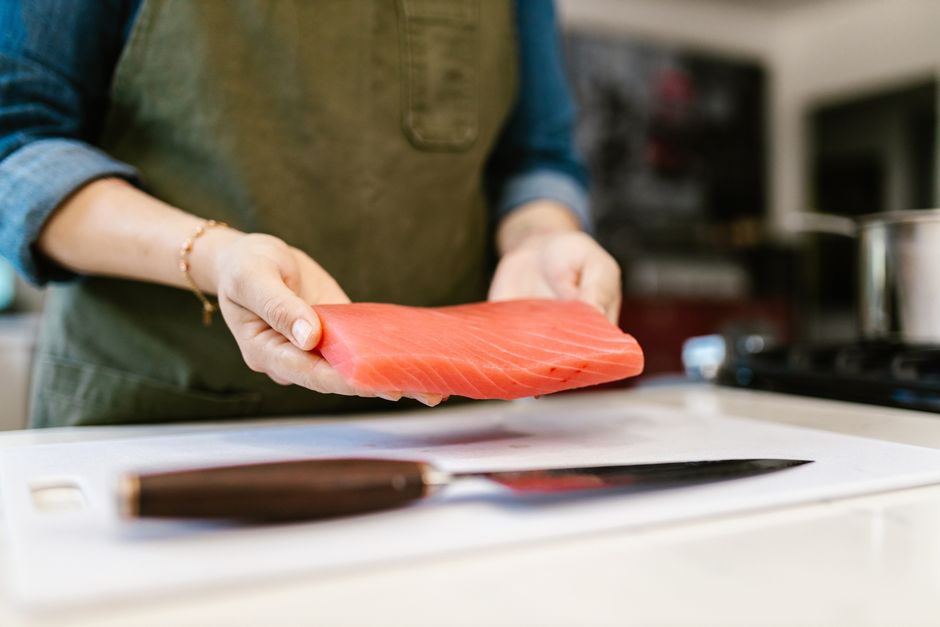
Salmon is one of the most protein-dense foods you can eat. A standard 3-ounce serving of cooked Atlantic salmon contains about 22 grams of protein. That single serving provides nearly half of the daily protein needs for an average adult. The exact amount varies slightly by species, how it is prepared, and whether it is farmed or wild-caught, but salmon consistently ranks among the top protein sources in the seafood aisle.
How Much Protein Does Salmon Have Per Serving?
A 3-ounce portion of cooked salmon is the standard serving size used in nutrition research and dietary guidelines. For Atlantic salmon, that serving delivers roughly 22 grams of protein. For comparison, a 3-ounce serving of chicken breast has about 26 grams, and a large egg has 6 grams. Salmon sits comfortably in the upper range of animal proteins.
The protein content changes slightly depending on the species. Sockeye salmon contains about 23 grams per 3-ounce cooked serving. Pink salmon, which is leaner, provides around 21 grams. Coho and Chinook salmon fall in a similar range. The differences are small enough that you do not need to track species closely for protein purposes.
Preparation method matters less than people expect. Baking, grilling, or poaching salmon does not significantly change its protein content. Frying adds fat and calories but does not remove protein. Canned salmon provides comparable protein to fresh, with about 20-22 grams per 3-ounce serving depending on the variety and whether it is packed in water or oil.
Does Farmed or Wild Salmon Have More Protein?
Farmed and wild salmon have nearly identical protein content. A 3-ounce serving of cooked farmed Atlantic salmon contains about 22 grams of protein. The same serving of wild-caught salmon contains 22-23 grams. The difference is negligible for anyone tracking protein intake.
The real nutritional differences between farmed and wild salmon are in fat content and calories. Farmed salmon has more total fat and more calories because farmed fish are fed a controlled diet and move less. Wild salmon has fewer calories and slightly less fat overall. Both are excellent protein sources.
Omega-3 fatty acid content also differs between the two. Wild salmon generally provides more omega-3s per serving, though farmed salmon still delivers a meaningful amount. If your goal is protein, either choice works. If your goal is omega-3s, the difference is worth knowing but not dramatic.
How Does Salmon Protein Compare to Other Foods?
Salmon holds its own against most other protein sources. A 3-ounce serving of cooked salmon provides about 22 grams of protein. Chicken breast provides about 26 grams in the same serving size. Lean beef provides roughly 25 grams. Tuna provides about 25 grams. Salmon is slightly lower than these poultry and red meat options but remains a high-quality protein.
Salmon is a complete protein, meaning it contains all nine essential amino acids your body cannot produce on its own. This matters because incomplete proteins from plant sources require careful combining to cover all amino acid needs. Animal proteins like salmon deliver everything in one package.
Compared to plant proteins, salmon is significantly more protein-dense. A 3-ounce serving of salmon has more protein than a cup of cooked lentils, which provides about 18 grams. It also has more protein than two large eggs, which provide 12 grams total. For people trying to hit higher protein targets, salmon is an efficient choice.




Why Protein Quality Matters More Than Quantity
Not all protein is absorbed equally by the body. Protein quality is measured by its amino acid profile and how well your body can digest and use it. Salmon scores high on both measures. Animal proteins like salmon have a digestibility score close to 100 percent, meaning nearly all the protein you eat gets absorbed and used.
Salmon also provides a favorable ratio of essential amino acids, particularly leucine. Leucine is the amino acid that most directly triggers muscle protein synthesis, the process your body uses to build and repair muscle tissue. Getting enough leucine in each meal matters for maintaining muscle mass, especially as you age.
The protein in salmon comes packaged with other nutrients that support overall health. Salmon is one of the best food sources of vitamin D, providing a significant portion of your daily needs in a single serving. It also contains B vitamins, selenium, and potassium. The protein does not work in isolation from these nutrients.
How Much Protein Do You Actually Need?
The recommended dietary allowance for protein is 0.8 grams per kilogram of body weight per day. For a 150-pound adult, that equals about 54 grams of protein daily. For a 180-pound adult, it equals about 65 grams. This is the minimum needed to prevent deficiency, not the optimal amount for muscle building or athletic performance.
Many nutrition researchers suggest that active adults need more protein than the minimum recommendation. Common guidance for people who exercise regularly ranges from 1.2 to 2.0 grams per kilogram of body weight. For a 150-pound person, that range is 82 to 136 grams per day. A single 3-ounce serving of salmon covers a substantial portion of that need.
Protein needs also increase with age. Older adults lose muscle mass more easily, and research suggests they benefit from higher protein intake to preserve strength and function. Some experts recommend older adults aim for 1.0 to 1.2 grams per kilogram of body weight daily. Salmon is a practical way to reach those higher targets because it is easy to chew, quick to prepare, and nutrient-dense.
How to Add More Salmon Protein to Your Diet
Eating salmon two to three times per week is a reasonable target for most people. Each serving provides roughly 22 grams of protein. Two servings per week adds about 44 grams of high-quality protein to your weekly intake, along with omega-3 fatty acids that most people do not get enough of.
Canned salmon is an underused option. It provides the same protein as fresh salmon at a lower cost and with a long shelf life. A 5-ounce can of pink salmon contains about 30 grams of protein. It works well in salads, sandwiches, or mixed into rice bowls. Canned salmon also contains edible soft bones, which provide calcium.
Smoked salmon is another option, though it is higher in sodium. A 3-ounce serving of smoked salmon has about 15-16 grams of protein and roughly 600-700 milligrams of sodium. If you watch your salt intake, fresh or canned salmon is a better choice. Smoked salmon works best as an occasional addition rather than a daily staple.
Are There Any Risks to Eating Salmon Regularly?
Salmon is generally safe to eat regularly, but there are two considerations worth knowing. The first is mercury. Salmon is a low-mercury fish, so it does not carry the same concerns as larger predatory fish like shark or swordfish. Most health authorities consider salmon safe to eat several times per week, including during pregnancy.
The second consideration is contaminants. Farmed salmon historically contained higher levels of certain pollutants than wild salmon, though levels have declined in recent years as feed formulations improved. The evidence does not support avoiding farmed salmon. The health benefits of eating salmon consistently outweigh the theoretical risks for most people.
People with fish allergies obviously need to avoid salmon entirely. For everyone else, salmon is one of the most nutrient-dense protein sources available. It delivers protein, omega-3s, vitamin D, and B vitamins in a single food that is easy to prepare and widely available.
Frequently Asked Questions
How much protein is in a 6-ounce salmon fillet?
A 6-ounce cooked salmon fillet contains roughly 44 grams of protein. This is double the standard 3-ounce serving and covers most of the daily protein needs for an average adult.
Is salmon protein better than chicken protein?
Both are complete proteins with similar quality. Chicken has slightly more protein per serving, but salmon adds omega-3 fatty acids and vitamin D that chicken does not provide.
How much protein is in a can of salmon?
A standard 5-ounce can of salmon contains about 30 grams of protein. The exact amount varies by brand and whether the salmon is pink or sockeye.
Can you eat salmon every day for protein?
Eating salmon daily is safe for most people and is not associated with mercury concerns since salmon is a low-mercury fish. Variety in your protein sources is still wise to ensure you get a broad range of nutrients.
