
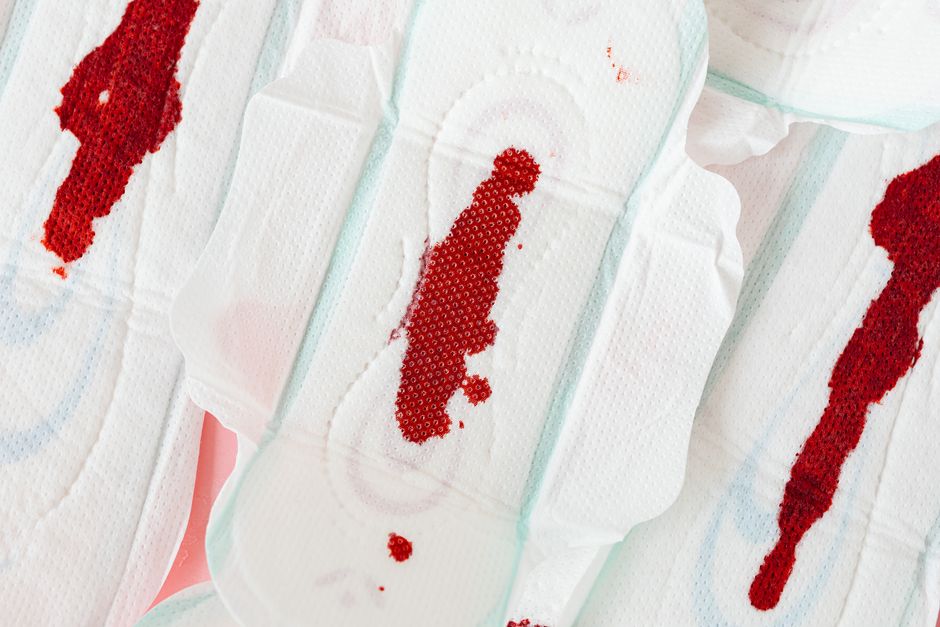
Bleeding in early pregnancy is common, and most of the time it is not a sign of a serious problem. Research shows that about 15 to 25 percent of pregnant women experience some bleeding in the first 12 weeks. The key difference between normal spotting and a cause for concern often comes down to the amount, color, and duration. Light spotting that is pink or brown and lasts a day or two is usually normal. Heavy bleeding like a period, bright red blood, or bleeding with cramps needs a medical check.
What Does Light Spotting Look Like and How Long Does It Last?
Light spotting is the most common type of bleeding in early pregnancy. It typically looks like a few drops of blood on your underwear or when you wipe. The color is usually pink or brown, not bright red. This kind of spotting often lasts from a few hours to a couple of days.
Many women experience what is called implantation bleeding. This happens when the fertilized egg attaches to the lining of the uterus. The American College of Obstetricians and Gynecologists notes that this usually occurs around the time you would expect your period. It is very light and stops on its own. If the spotting lasts longer than three days or gets heavier, it is worth mentioning to your doctor.
When Does Bleeding Become Heavy Enough to Worry About?
The amount of blood is the most important clue. Normal spotting does not soak a pad or panty liner. Heavy bleeding means you are passing enough blood to need a pad or tampon, and it keeps flowing. Bright red blood that soaks through more than one pad in an hour is a sign to call your doctor or go to the emergency room.
Passing clots is another important sign. Small clots the size of a pea can happen with heavy bleeding. Larger clots, especially those bigger than a grape, are more concerning. Cramping that feels like strong period pain along with heavy bleeding also raises the risk of a miscarriage. A study published in the journal Obstetrics & Gynecology found that heavy bleeding in the first trimester is linked to a higher chance of pregnancy loss compared to light spotting.
How Much Is Normal Bleeding In Early Pregnancy and What Causes It?
Normal bleeding in early pregnancy is almost always light and short-lived. It does not come with severe pain. Several things can cause this kind of bleeding that are not dangerous.
- Implantation bleeding: Happens 6 to 12 days after conception.
- Cervical changes: Pregnancy increases blood flow to the cervix. A pelvic exam or sex can irritate it and cause light bleeding.
- Infection: A vaginal or cervical infection can cause spotting. This is treatable and does not harm the pregnancy.
- Subchorionic hematoma: This is a small collection of blood between the uterine wall and the pregnancy sac. Many women with this condition go on to have healthy pregnancies.
These causes are common and usually resolve without treatment. The key point is that the bleeding stays light and stops within a couple of days. If you have any doubt about the amount, it is always safer to check with your healthcare provider.



What Does Research Say About Bleeding and Pregnancy Outcomes?
Research gives us clear numbers to work with. A large study in the British Medical Journal followed over 4,000 pregnant women. It found that women who had light bleeding in the first trimester had a slightly higher risk of miscarriage than women with no bleeding. But the overall risk was still low. About 90 percent of women who had light spotting went on to have a healthy baby.
Heavy bleeding changes the picture. The same study showed that women with heavy bleeding had a miscarriage rate closer to 30 percent. Even then, 7 out of 10 women with heavy bleeding still had a successful pregnancy. These numbers are important because they show that bleeding is a risk factor, not a guarantee of loss. Many women bleed and still deliver healthy babies.
Another finding from the CDC is that bleeding in early pregnancy is more common in women over 35. Age does not cause the bleeding directly, but it is a factor doctors consider when evaluating risk.
What Should You Do When You Notice Bleeding?
If you see blood, the first step is to stay calm and assess the amount. Use a panty liner or pad to track how much you are bleeding. Note the color and whether it changes from brown to red. Write down if you have any pain, cramping, or fever.
Call your doctor or midwife. They will ask you these details. They may want you to come in for an ultrasound or blood test. An ultrasound can check if the pregnancy is in the uterus and if there is a heartbeat. Blood tests measure hCG levels, which should rise steadily in early pregnancy.
Do not use a tampon. Tampons can introduce bacteria into the vagina. Use pads or panty liners instead. Also avoid sex until the bleeding stops and your doctor says it is safe. Rest is often recommended, though research has not clearly proven that bed rest prevents miscarriage. Listen to your body and avoid heavy lifting or strenuous exercise until the bleeding resolves.
| Type of Bleeding | Color | Amount | Duration | Action |
|---|---|---|---|---|
| Spotting | Pink or brown | Few drops, no pad needed | Hours to 2 days | Monitor, call doctor |
| Light bleeding | Red or brown | Light flow, panty liner enough | 2 to 3 days | Call doctor, get checked |
| Heavy bleeding | Bright red | Soaks pad, clots present | More than 3 days | Seek medical care now |
What Are Common Misconceptions About Bleeding in Early Pregnancy?
One common myth is that any bleeding means you are having a miscarriage. This is not true. As noted, up to 25 percent of women bleed in early pregnancy, and most go on to have healthy babies. Miscarriage is only one possible cause, and it is not the most common one.
Another misconception is that you cannot have a healthy pregnancy if you bleed heavily. While heavy bleeding is more serious, research shows that many women who bleed heavily still deliver full-term babies. The outcome depends on the underlying cause, not just the amount of blood.
Some people also believe that bed rest is a proven treatment for bleeding. The evidence does not support this. A review in the Cochrane Database of Systematic Reviews found no strong evidence that bed rest prevents miscarriage. Doctors may still recommend rest as a precaution, but it is not a guaranteed solution.
Finally, do not assume that bleeding during one pregnancy means you will bleed in future pregnancies. Each pregnancy is different. A history of bleeding does not automatically mean it will happen again.
When Should You Go to the Emergency Room?
Some situations need immediate medical attention. Go to the ER if you have heavy bleeding that soaks through a pad in an hour or less. Passing large clots, especially those larger than a golf ball, is another reason to go. Severe pain in your belly or shoulder, or feeling dizzy and faint, also requires urgent care.
These symptoms can point to an ectopic pregnancy, which happens when the embryo implants outside the uterus. The CDC reports that ectopic pregnancies occur in about 2 percent of all pregnancies. They are a medical emergency because they can cause internal bleeding. If you have sharp pain on one side of your belly along with bleeding, get checked immediately.
A fever over 100.4°F with bleeding could mean an infection. This is less common but also needs prompt treatment. Trust your instincts. If something feels wrong, it is always better to be seen and have it be nothing than to wait.
Frequently Asked Questions
Can stress cause bleeding in early pregnancy?
There is no strong evidence that stress directly causes bleeding. However, stress can affect your body in many ways, so managing it is always good for your overall health.
Is it normal to bleed after sex during early pregnancy?
Yes, this is common. Increased blood flow to the cervix makes it more sensitive. The bleeding is usually light and stops quickly.
Does bleeding in early pregnancy mean I will lose the baby?
No. Most women who bleed in early pregnancy go on to have healthy babies. Light spotting in particular has a very low risk of miscarriage.
How long does implantation bleeding last?
Implantation bleeding usually lasts from a few hours to two days. It is very light and pink or brown in color.
