
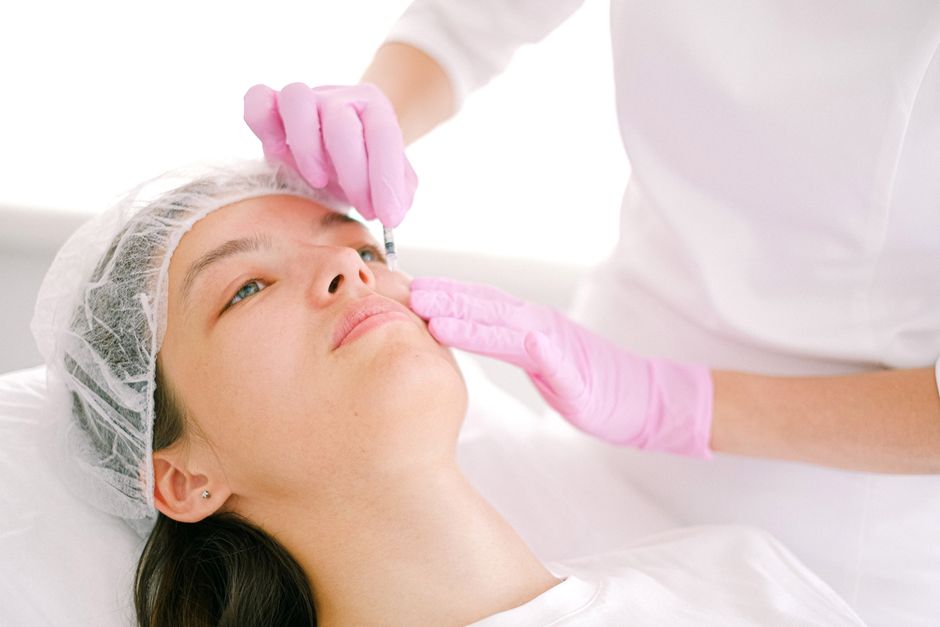
Botox is priced per unit, and the real cost ranges from about $10 to $20 per unit in the United States. Most cosmetic treatments use between 20 and 60 units, which means a single session typically costs $200 to $1,200. The final price depends on the treatment area, your provider’s rates, and where you live. These figures reflect the average market rates for onabotulinumtoxinA, the brand-name product most people call Botox.
What Is a Botox Unit and How Many Do You Need?
A Botox unit is a precise measurement of the active protein. It is not a volume like a milliliter. It measures the biological effect of the toxin.
Different treatment areas require different amounts. The numbers below are typical ranges used in clinical practice and are well established in aesthetic medicine:
- Forehead lines: 10 to 30 units
- Frown lines (glabella): 20 to 40 units
- Crow’s feet: 10 to 30 units per side
- Lip lines: 4 to 8 units total
- Jawline slimming: 25 to 50 units per side
- Underarm sweating: 50 units per armpit
Your provider determines the exact dose based on your muscle strength, your anatomy, and the look you want. Stronger muscles need more units. A 120-pound woman with mild forehead lines will not need the same dose as a 220-pound man with deep furrows.
How Much Is Botox Per Unit Real Cost Ranges by Region
The per-unit price varies significantly across the country. Urban areas with high living costs tend to charge more. Rural areas and smaller cities generally charge less.
In major cities like New York, Los Angeles, and Miami, you can expect to pay $15 to $20 per unit. In mid-sized cities like Phoenix, Denver, or Atlanta, prices typically fall between $12 and $17 per unit. Smaller markets often charge $10 to $14 per unit.
These are average ranges, not guarantees. A high-end clinic in a major city may charge $25 per unit. A med spa running a promotion in a suburb might charge $8 per unit. Both prices exist in the market.
Your total cost also depends on how many units you actually need. A $10-per-unit clinic that uses 50 units for your forehead will cost more than a $15-per-unit clinic that uses 20 units. Always ask for the total treatment cost, not just the per-unit price.
Why Do Botox Prices Vary So Much Between Providers?
Several factors explain the price differences you will see when you shop around.
Provider qualifications matter. A board-certified dermatologist or plastic surgeon typically charges more than a nurse injector at a med spa. Their training, experience, and medical oversight cost more. That cost transfers to you.
Product sourcing is not equal. Botox is a prescription medical product. It must be stored and handled correctly. Reputable providers buy directly from the manufacturer or authorized distributors. Some low-cost clinics buy from gray-market sources or dilute the product to stretch their supply. You cannot verify the potency of these products.
Overhead costs vary. A clinic in a prime Manhattan location pays more rent than one in a strip mall in Ohio. That difference shows up in the price.
Experience produces results. An injector who has performed thousands of treatments understands facial anatomy deeply. They know exactly where to place each unit. This reduces the risk of complications and produces more natural results. That expertise has value.





What Is the Difference Between Botox and Other Botulinum Toxin Brands?
Botox is a specific brand of botulinum toxin type A. Other brands exist, and they are not the same product.
In the United States, the FDA has approved several botulinum toxin products:
- Botox and Botox Cosmetic (onabotulinumtoxinA)
- Dysport (abobotulinumtoxinA)
- Xeomin (incobotulinumtoxinA)
- Jeuveau (prabotulinumtoxinA)
These products work the same way but are not interchangeable on a unit-for-unit basis. A unit of Botox is not the same as a unit of Dysport. Their dosing scales differ.
Dysport typically requires more units than Botox for the same effect. This is why Dysport often appears cheaper per unit. The total cost per treatment ends up similar.
All four products are FDA-approved for cosmetic use. They have similar safety profiles when used correctly. Your provider’s experience with a specific product matters more than which brand you choose.
Are Per-Unit Prices or Package Deals the Better Deal?
Many clinics advertise per-unit prices. Others offer package deals or flat fees per area. Neither approach is automatically better.
A flat fee per area can be a good deal if you need more units than average. It can be a bad deal if you need fewer. A clinic charging $350 for “forehead and frown lines” may be giving you 25 units at $14 per unit. Or they may be giving you 15 units at over $23 per unit. You cannot tell without asking.
Be cautious about extremely low prices. If a clinic advertises $4 per unit, they are losing money on the product itself. Botox costs clinics roughly $5 to $8 per unit wholesale. A $4 price means the product is diluted, expired, counterfeit, or being used as a loss leader to sell other services.
Ask direct questions before booking:
- How many units does my treatment plan require?
- What is the total cost including any facility fees?
- Is the Botox stored on-site and sourced from the manufacturer?
- Who will perform the injection and what are their credentials?
How Often Do You Need Botox and What Does That Cost Annually?
Botox results typically last three to four months. Some people see results for five or six months. Others metabolize the product faster and need touch-ups sooner.
Most people schedule treatments three to four times per year. If you spend $400 per session and treat four times annually, your yearly cost is $1,600.
Some patients find they need fewer units over time. Regular treatment can weaken the muscles being injected. This means the muscle contracts less forcefully over months of repeated treatment. Some patients eventually stretch their intervals to five or six months.
This is not guaranteed. Response varies widely between individuals. Your metabolism, your muscle mass, and your treatment frequency all influence how long results last.
Does Insurance Ever Cover Botox?
Insurance does not cover Botox for cosmetic purposes. It is classified as an elective aesthetic treatment.
Insurance may cover Botox for medical conditions when those conditions meet specific diagnostic criteria. Approved medical uses include chronic migraine, cervical dystonia, severe underarm sweating, overactive bladder, and certain eye muscle disorders.
For these conditions, a physician must document that you meet the medical criteria. The injection is then billed through your medical insurance, not paid out of pocket. The cost structure is entirely different from cosmetic pricing.
If you are seeking Botox for a medical condition, talk to your primary care doctor or a specialist. They can determine whether you qualify and handle the insurance process.
What Are the Risks and What Should You Look For in a Provider?
Botox is generally safe when administered by a qualified professional. Complications are uncommon but they do happen.
Possible side effects include temporary bruising, swelling, headache, or drooping of the eyelid or eyebrow. These effects are usually temporary and resolve within a few weeks. Drooping occurs when the toxin spreads to nearby muscles. This risk is higher with inexperienced injectors or incorrect dosing.
Serious complications are rare but possible. They include difficulty swallowing, breathing problems, or spread of the toxin to distant areas. Seek immediate medical attention if you experience these symptoms after treatment.
Choose your provider carefully. Look for a physician, nurse practitioner, physician assistant, or registered nurse with specific training in cosmetic injections. Verify their credentials. Ask how many Botox treatments they perform each month. Look at before-and-after photos of their actual patients.
Avoid anyone who is not a licensed medical professional. Botox injections require knowledge of facial anatomy, sterile technique, and emergency management. This is not a service to buy based on price alone.
Frequently Asked Questions
How much does Botox cost for forehead lines?
Forehead lines typically cost $150 to $450 per session depending on the units needed and your provider’s per-unit rate. Most providers use 10 to 30 units for this area.
Is Botox cheaper per unit when you buy more?
Some clinics offer volume discounts, but many charge the same per-unit rate regardless of quantity. Ask whether the per-unit price changes based on total units used.
Why is Botox so expensive?
The product itself costs clinics about $5 to $8 per unit wholesale, and the rest covers provider expertise, facility costs, and proper storage. You are paying for the injector’s skill and safety standards as much as the product.
Does Dysport cost less than Botox?
Dysport usually has a lower per-unit price, but it requires more units for the same effect. The total treatment cost ends up similar to Botox.
